Healthy Meals That Actually Keep You Full (No More 4 PM Snacking)
Meal Idea 3: Lentil and Vegetable Soup
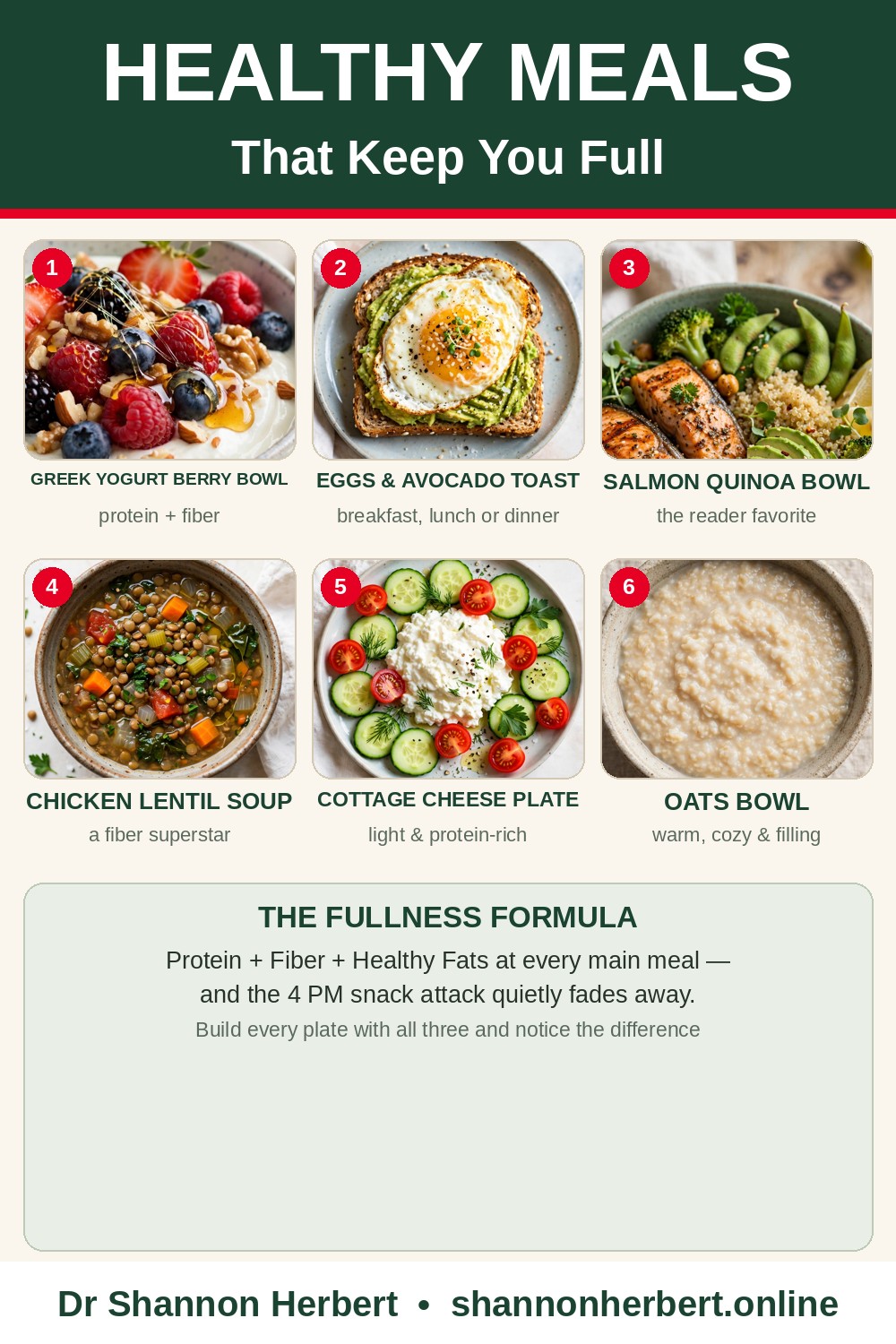
Lentils are a fullness superstar: cheap, high in fiber, and surprisingly high in protein — about 18 grams of protein and 15 grams of fiber in a cooked cup. A soup built on them delivers protein, fiber, and a large volume of warm liquid, which is close to a perfect satiety combination. Make a big pot on Sunday and lunch is sorted for days.
It pairs well with the comfort traditions in our 12 Old Remedies That Still Work Today — soup really is an old remedy, and a bowl of it has been the answer to “I feel run down” in most cultures for centuries.
A simple base recipe (makes about 6 bowls):
- 1 1/2 cups dry red or green lentils, rinsed
- 1 onion, 2 carrots, and 2 celery stalks, diced
- 2–3 cloves of garlic, a teaspoon of cumin, and a pinch of chili flakes
- 1 can of chopped tomatoes, plus about 6 cups of water or stock
- Simmer 25–30 minutes until the lentils are soft; finish with lemon juice and a drizzle of olive oil
How to serve it so it lasts: A bowl of the soup, a slice of whole-grain bread, and a side of Greek yogurt or a small piece of cheese. That combination lands around 25–30 grams of protein with a lot of fiber, and it costs very little per serving — this is one of the most budget-friendly filling meals that exists.
Variations: Swap lentils for white beans or split peas. Stir in frozen greens at the end. Add leftover shredded chicken if you have it. The formula survives all of it.
Storage: Keeps 4 days in the fridge and freezes beautifully for up to 3 months. Freeze in single portions and weekday lunches take care of themselves.
Why soup works so well: Soup is a small masterclass in satiety design. The water is not served next to the food — it is in the food — so the full volume counts toward stomach fullness while the calories stay modest. Warm foods also tend to be eaten slowly, which gives fullness signals time to arrive, and a soup course at the start of a meal reliably reduces how much people serve themselves afterward. Researchers sometimes call this the “soup effect,” but your grandmother just called it starting with soup. If you make one recipe from this entire article, make it this one: it is the cheapest, most forgiving, and most freezer-friendly route to a lunch that genuinely lasts until dinner.
Meal Idea 4: Chicken, Brown Rice, and Greens
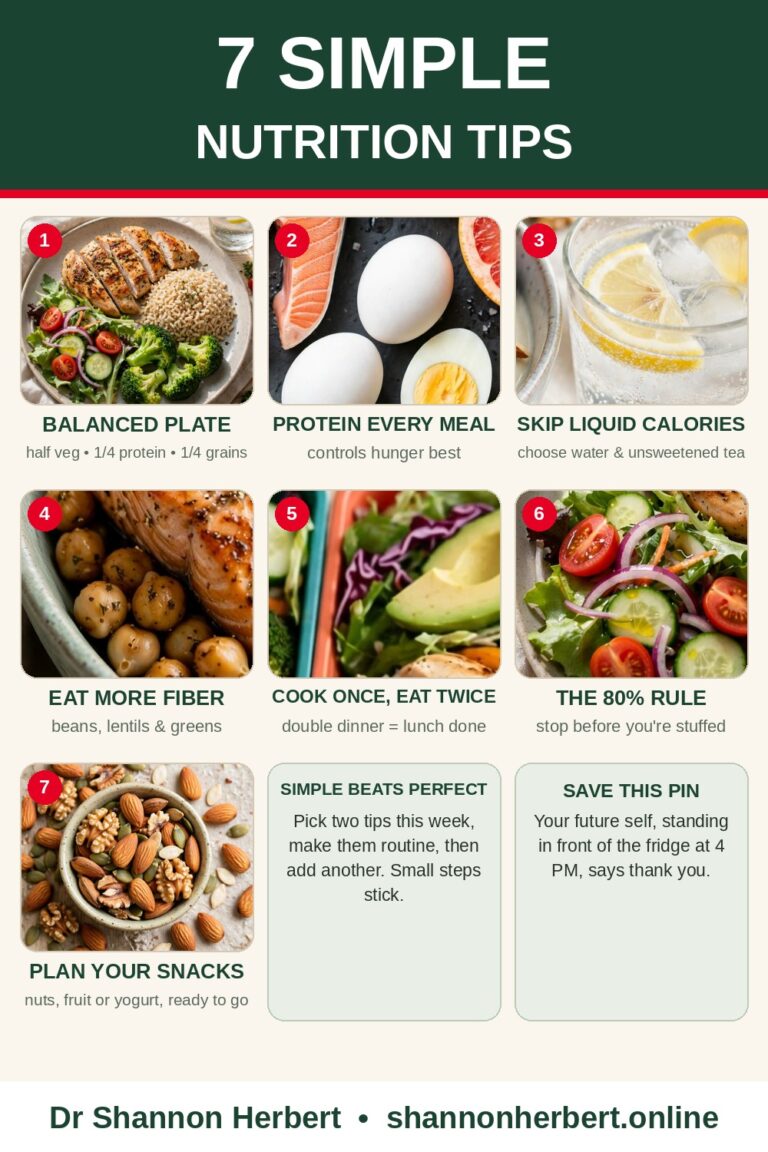
The classic for a reason. Chicken breast or thighs for protein, brown rice for fiber-rich staying power, and a genuinely large portion of greens or green vegetables for volume. The difference between this plate being satisfying and being sad diet food is almost entirely in the sauce and the seasoning.
How to build it:
- 1 chicken breast or 2 thighs (about 5–6 oz / 150–170 g cooked), well seasoned — smoked paprika, garlic, cumin, and lemon all work
- 3/4 to 1 cup cooked brown rice
- At least 2 cups of greens or green vegetables: broccoli, green beans, spinach, or a big salad
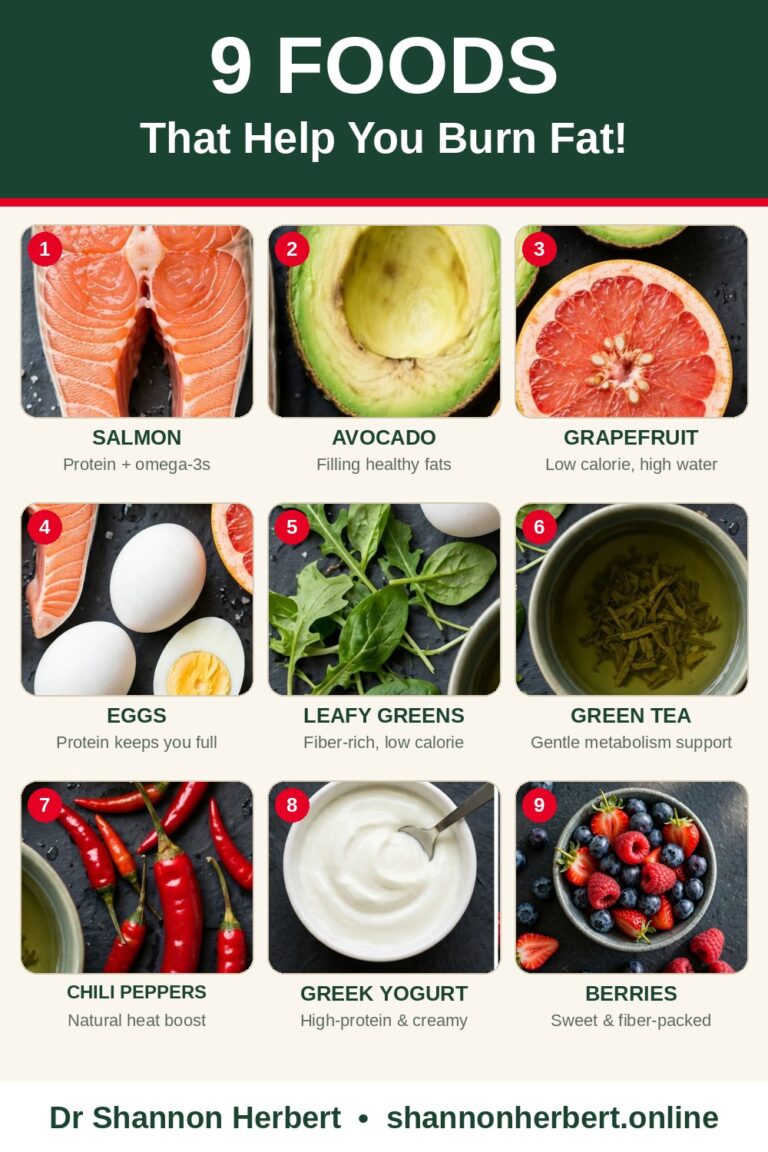
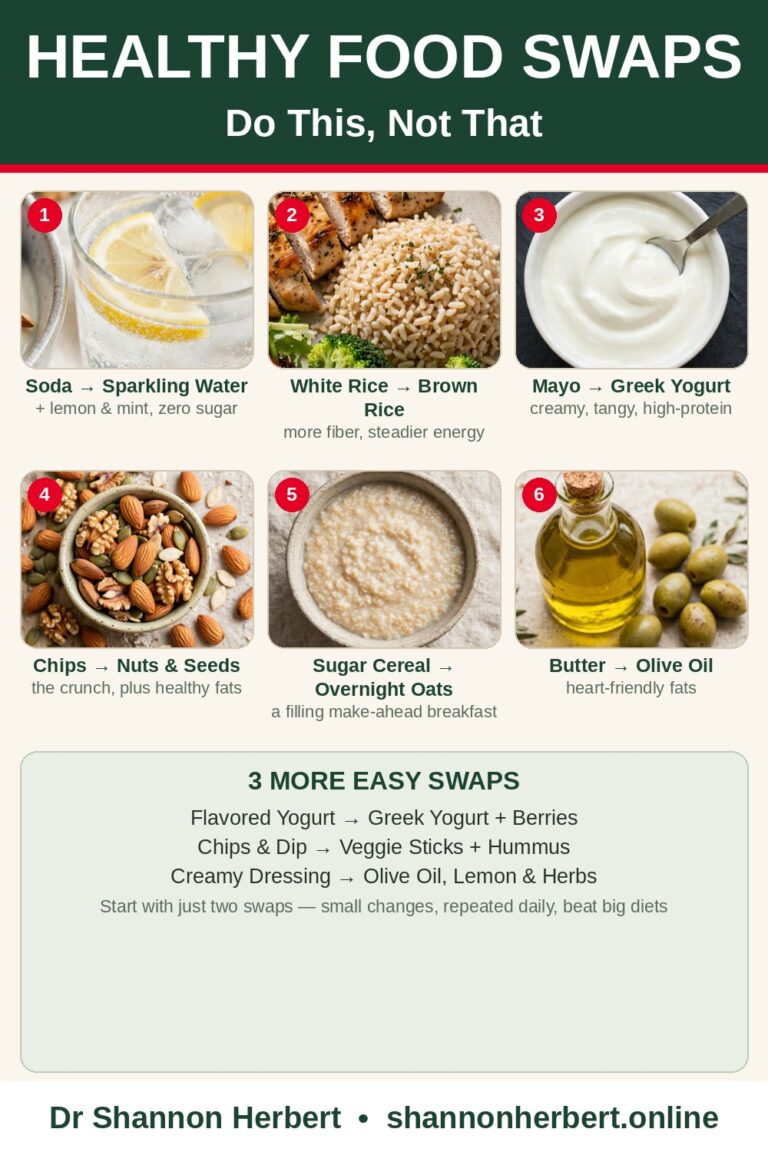
- Sauce: Greek yogurt mixed with garlic, lemon, and herbs — creamy, tangy, and a fraction of the calories of mayonnaise-based sauces
Why it lasts: This plate typically lands at 35–45 grams of protein and 8–10 grams of fiber, with enough volume that finishing it feels like an accomplishment rather than a restriction.
Common mistakes: Plain boiled chicken with plain rice and three broccoli florets — technically the same meal, experientially a punishment. Season boldly. Use chicken thighs if breast feels dry; the small calorie difference is worth it if it keeps you on the plan. And make the vegetable portion genuinely large, not a garnish.
Budget note: Whole chickens and frozen vegetables cut the cost of this plate dramatically, and brown rice bought in bulk is one of the cheapest filling foods in any store.
Meal Idea 5: The Greek Yogurt Parfait (Done Right)
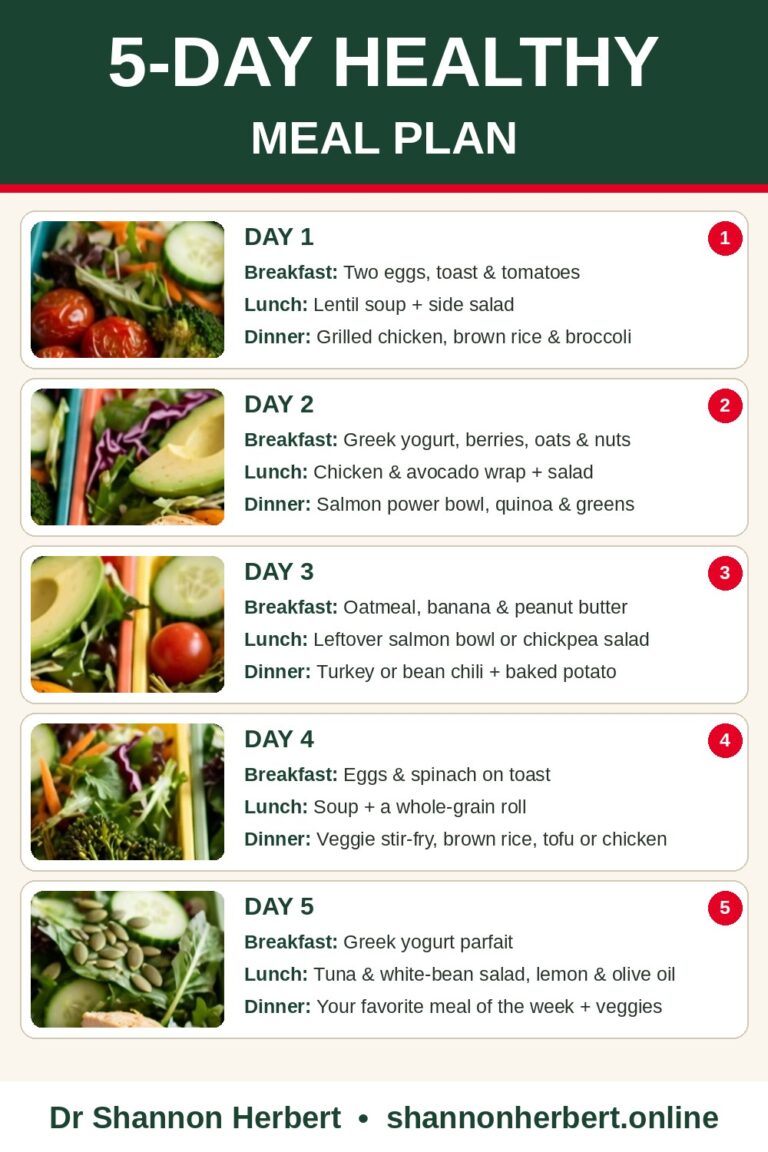
Greek yogurt layered with berries, a spoon of oats, and chopped nuts. Sweet enough to feel like a treat, built like a meal — this is the snack-that-is-actually-a-meal our readers make most often, and it works as a breakfast, a dessert, or the planned afternoon snack that replaces the snack drawer entirely.
How to build it:
- 3/4 to 1 cup plain Greek yogurt (about 170–200 g)
- 3/4 cup berries — fresh or frozen and thawed
- 2 tablespoons rolled oats or a low-sugar granola
- 1 tablespoon chopped walnuts, almonds, or seeds
- Optional: a drizzle of honey (1 teaspoon is plenty) or a pinch of cinnamon
Why it lasts: Around 20 grams of protein, fiber from the berries and oats, and fat from the nuts. Compare that with a typical flavored yogurt cup or a muffin — similar calories, a completely different hunger outcome two hours later.
Common mistake: Building it on flavored yogurt and sugary granola. That version can carry 30+ grams of added sugar and behaves like dessert, because it is dessert. Plain yogurt and whole ingredients are what make the parfait a tool instead of a treat — though as treats go, the smart version is still delicious. For more upgrades like this one, see Do This, Not That: 8 Simple Food Swaps.