A Simple 5-Day Healthy Meal Plan for Beginners
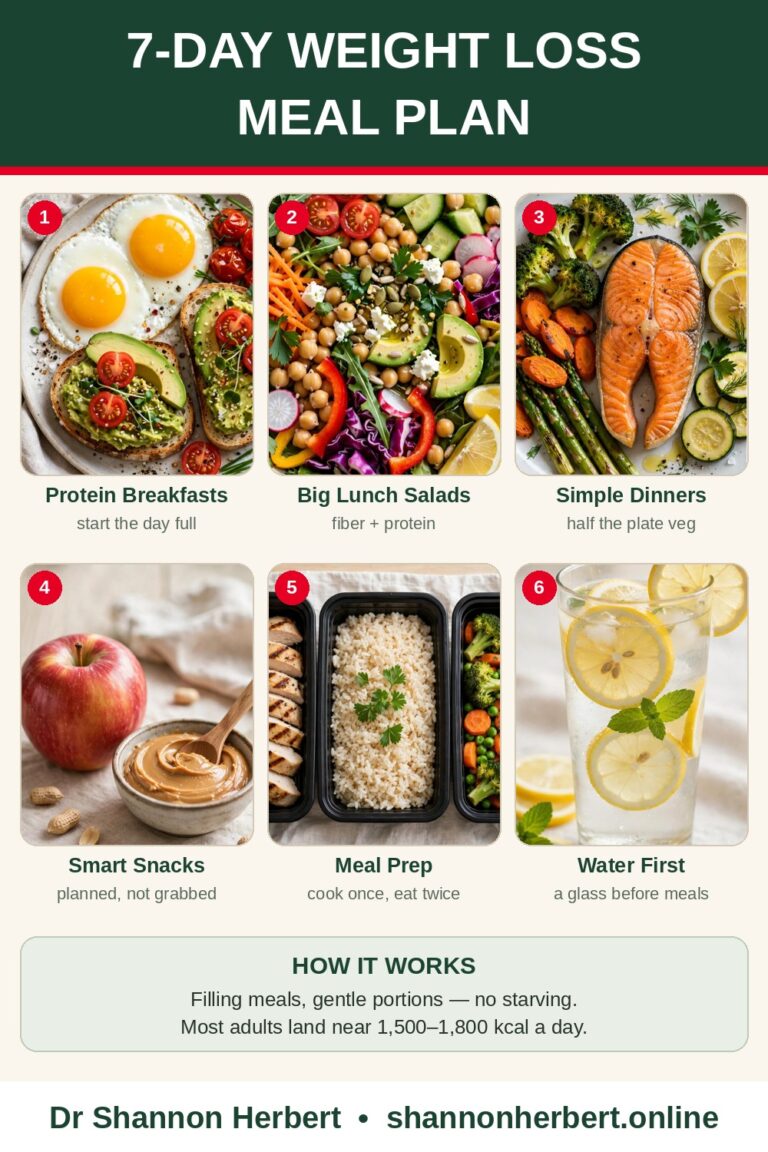
The hardest part of eating well is not knowing what is healthy — it is deciding, three times a day, every day. Decision fatigue is real, and it usually strikes at 6 PM, standing in front of an open fridge, tired and hungry. That is the moment diets die, not at the grocery store with good intentions on Sunday. This simple 5-day plan takes the decisions away.
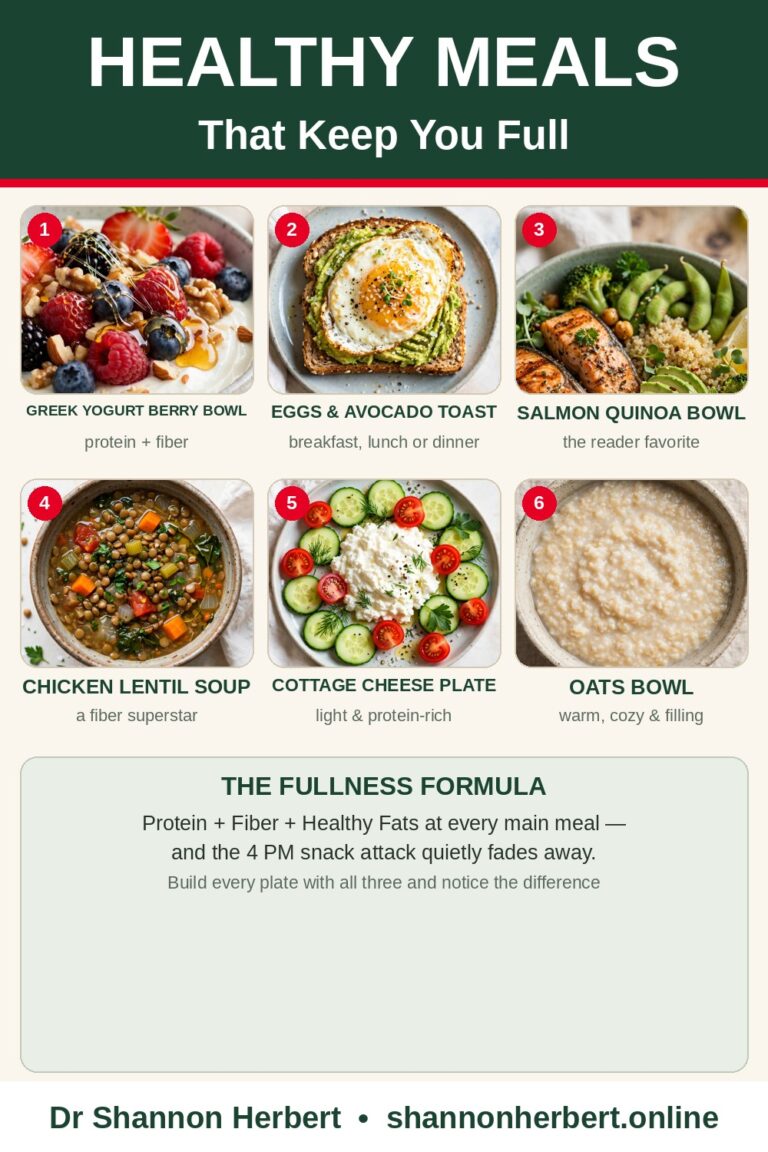
The plan uses everyday ingredients you can find in any ordinary supermarket, repeats a few smart building blocks so nothing is wasted, and follows the fullness formula from our Healthy Meals That Actually Keep You Full guide: protein, fiber, and healthy fats at every meal. Each day lands roughly in the 1,600–2,000 calorie range depending on portions, which suits many adults — but treat the portions as a starting point, not a law. If you are very active, tall, or simply hungrier, scale the meals up. A plan you can actually follow beats a “perfect” plan you abandon by Wednesday.
A few ground rules before the days themselves. Drinks: water is the default; tea and coffee are fine, ideally unsweetened or lightly sweetened. Snacks: the plan includes one optional snack a day — use it when you need it, skip it when you do not. Good standing options are a small handful of nuts, a piece of fruit, a boiled egg, or a small Greek yogurt. Seasoning is free: herbs, spices, garlic, lemon, vinegar, mustard, and chili add flavor for essentially no calories. Use them generously; bland food is the enemy of consistency.
Portions, Calories, and Honest Hunger
A word about amounts, because beginners ask about this more than anything else. The meals below are written at moderate, real-world portions: roughly a palm-and-a-half of protein, a fist of grains, and vegetables in generous amounts. For a smaller, less active adult that may be plenty; for a tall, active man it may be a starting point that needs scaling up — add a second egg, a bigger portion of rice, an extra snack. The plan is a template, and templates are meant to be fitted.
You should expect to feel properly hungry before meals and comfortably full after them. If you are ravenous an hour after eating, the meal was too small or too low in protein — adjust the next one rather than white-knuckling through the week. If you are still full when the next meal arrives, trim the grain and fat portions slightly. This kind of small, responsive adjustment is not “cheating on the plan”; it is the plan, working as intended.
Finally, a note on the scale: weight can wobble by a couple of pounds across a single week from water, salt, and digestion alone. Five days is long enough to learn the rhythm of eating this way and to feel the difference in hunger and energy. It is not long enough to judge fat loss. Give the pattern a few weeks before you evaluate it — and judge it by consistency and how you feel, not by any single morning’s number.
Before You Start: 45 Minutes of Prep
A short Sunday prep session makes the whole week dramatically easier:
- Cook a big pot of lentil and vegetable soup (Day 1 lunch, Day 4 lunch, plus a spare portion for the freezer)
- Cook a batch of brown rice and a batch of quinoa
- Boil 6 eggs and keep them in the fridge
- Grill or bake 3–4 chicken breasts; bake 2 salmon fillets
- Wash salad leaves and spinach; chop a few days’ worth of vegetables
- Portion nuts into small handfuls so snacks are grab-and-go
That is it. With those pieces in place, most meals below take under 15 minutes to assemble.
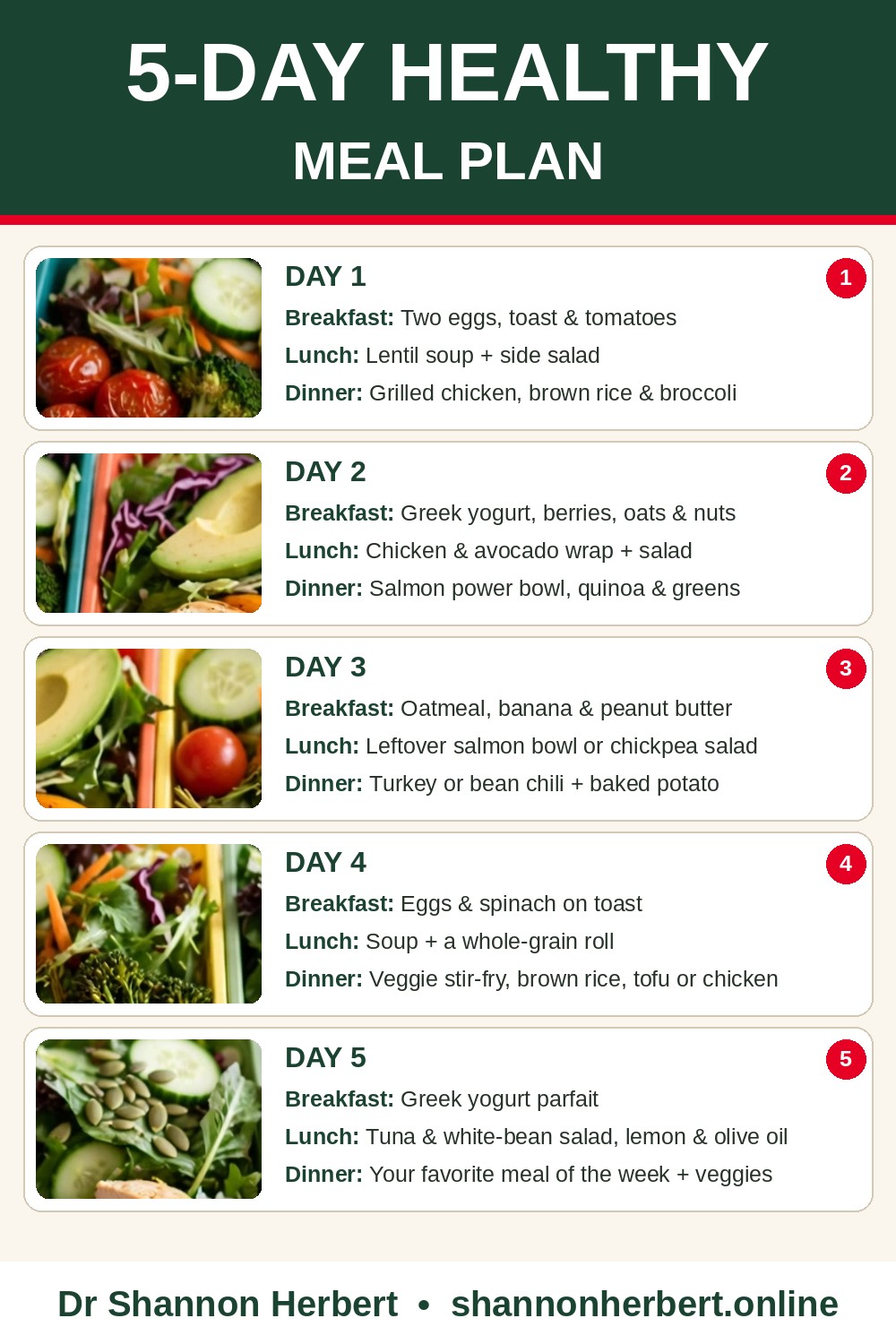
Day 1
- Breakfast: Two eggs with whole-grain toast and tomatoes
- Lunch: Lentil and vegetable soup with a side salad
- Dinner: Grilled chicken, brown rice, and steamed broccoli
How the day works: The eggs give you protein first thing, which sets the tone for steadier hunger all morning. The soup lunch is the plan’s workhorse — fiber, plant protein, and volume — and the side salad with a simple olive oil and lemon dressing keeps it feeling fresh rather than like leftovers. Dinner is the classic plate: a palm-and-a-half of chicken, about a cup of cooked brown rice, and as much broccoli as you want, with the broccoli doing the volume job. If you are still hungry after dinner, that is what the optional snack is for — Greek yogurt with a few berries closes the day nicely.
Prep note: Today is the easiest day if you did the Sunday prep: soup is reheating, rice is reheating, and only the chicken and eggs are cooked fresh.
Day 2
- Breakfast: Greek yogurt with berries, oats, and nuts
- Lunch: Chicken and avocado whole-grain wrap with salad
- Dinner: Salmon power bowl — quinoa, salmon, chickpeas, greens
How the day works: Breakfast is assembly, not cooking: 3/4 cup of Greek yogurt, a handful of berries, two tablespoons of oats, and a tablespoon of chopped nuts. It takes three minutes and holds most people until lunch. The wrap uses yesterday’s chicken — slice it cold, add avocado, salad leaves, and a smear of yogurt or mustard in a whole-grain wrap. Dinner is the famous power bowl from our fullness guide: salmon over quinoa with chickpeas, avocado, and greens, dressed with olive oil and lemon. This is the most nutrient-dense dinner of the week, and it is worth noticing how satisfied you feel afterward compared with a lighter meal.
Prep note: If you baked salmon on Sunday, tonight’s bowl is pure assembly. Warm the quinoa and chickpeas; keep the greens and avocado fresh.