A Simple 7-Day Weight Loss Meal Plan (Filling, Not Starving)
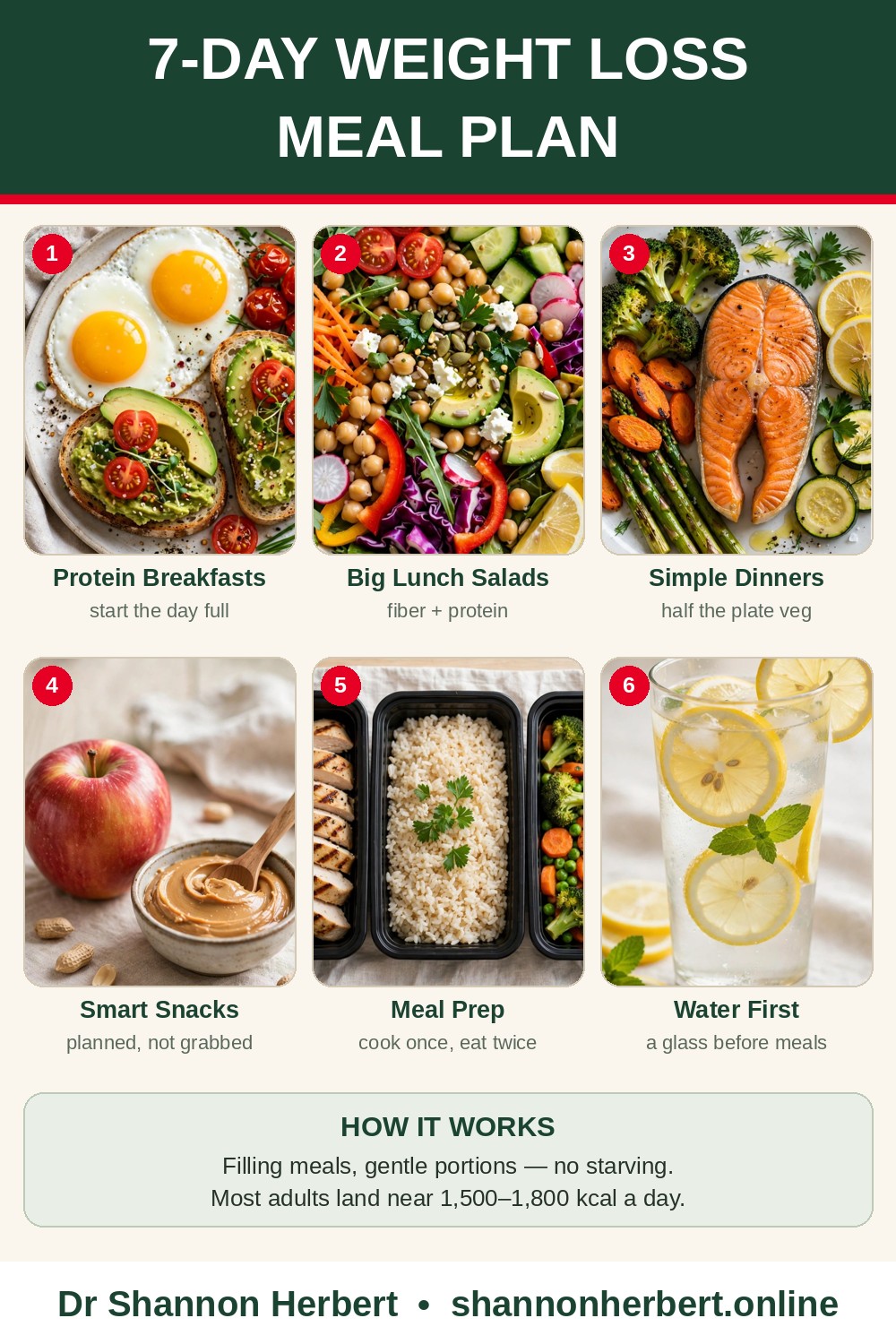
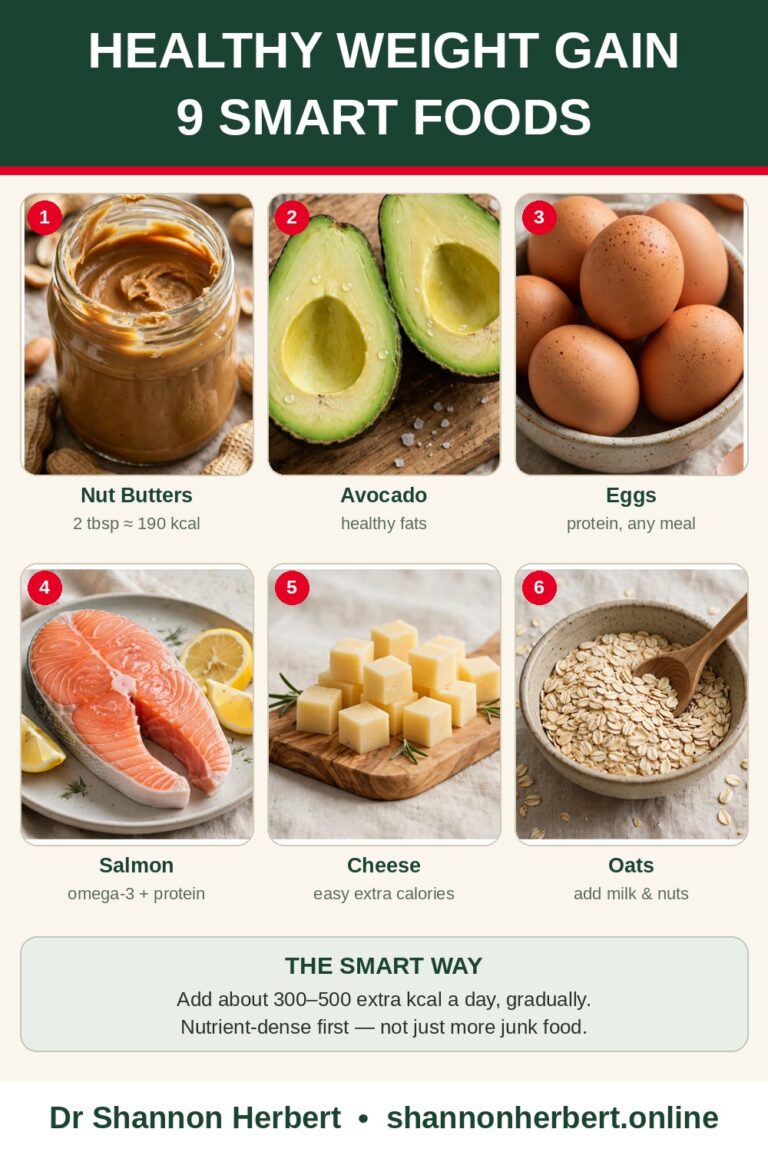
Most meal plans fail for one predictable reason: they leave you hungry — and hungry people eventually eat, usually whatever is closest, fastest, and least planned. This 7-day plan is built the opposite way. Every day includes a real breakfast, a solid lunch, an afternoon snack, and a dinner with enough protein, fiber, and volume to leave you genuinely satisfied. Nothing here is a “diet food” you have to choke down, and there are no 800-calorie days. There is also no food group banned outright — bread, cheese, pancakes, and even pizza all appear, in portions and combinations that actually work.
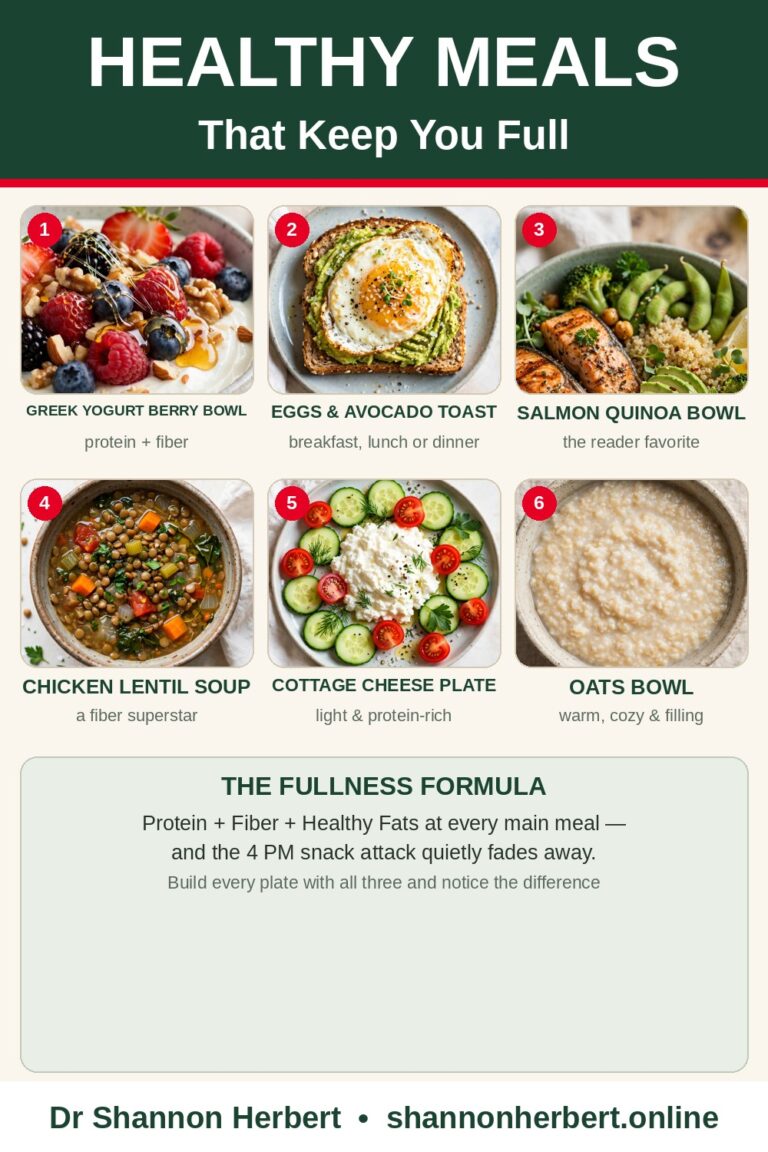
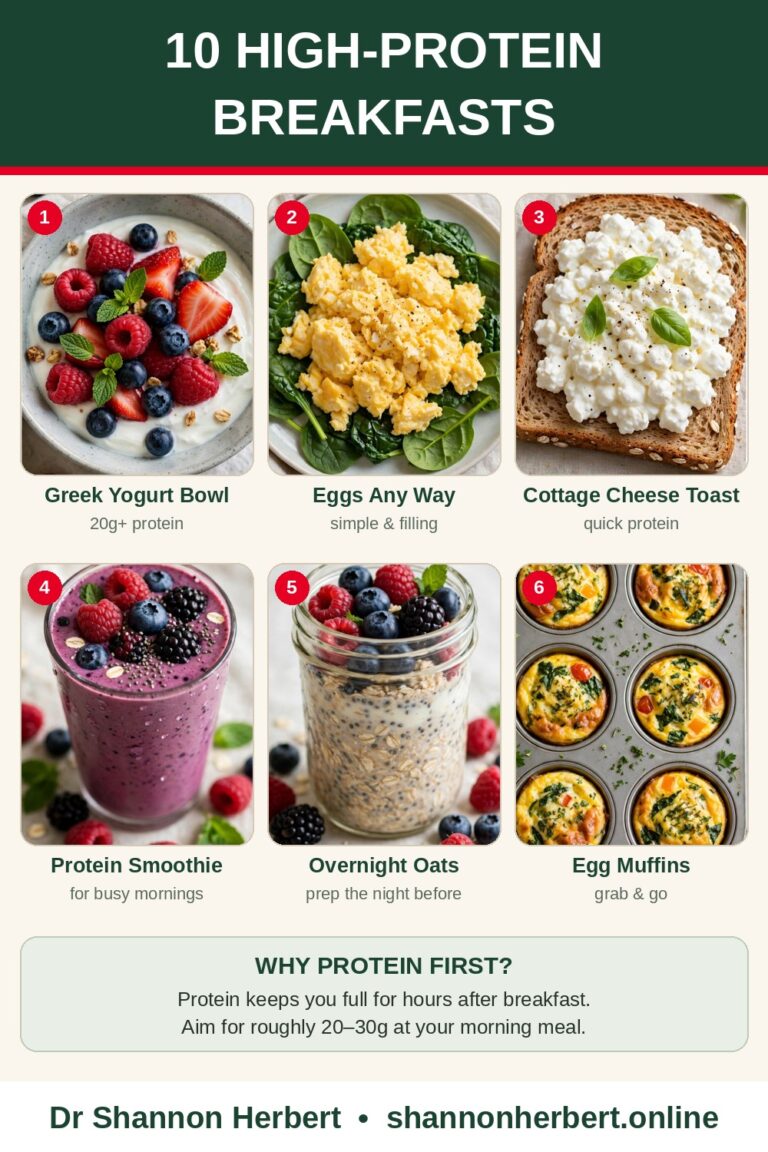
Think of it as a template, not a test. Swap any meal for another day’s meal, repeat a favorite day twice, and use leftovers shamelessly — the plan is designed for that. It follows the same fullness-first thinking as our guide to healthy meals that actually keep you full, stretched across a whole week. Several of the breakfasts come straight from our companion guide to high-protein breakfasts, so the two articles work as a pair.
How This Plan Works
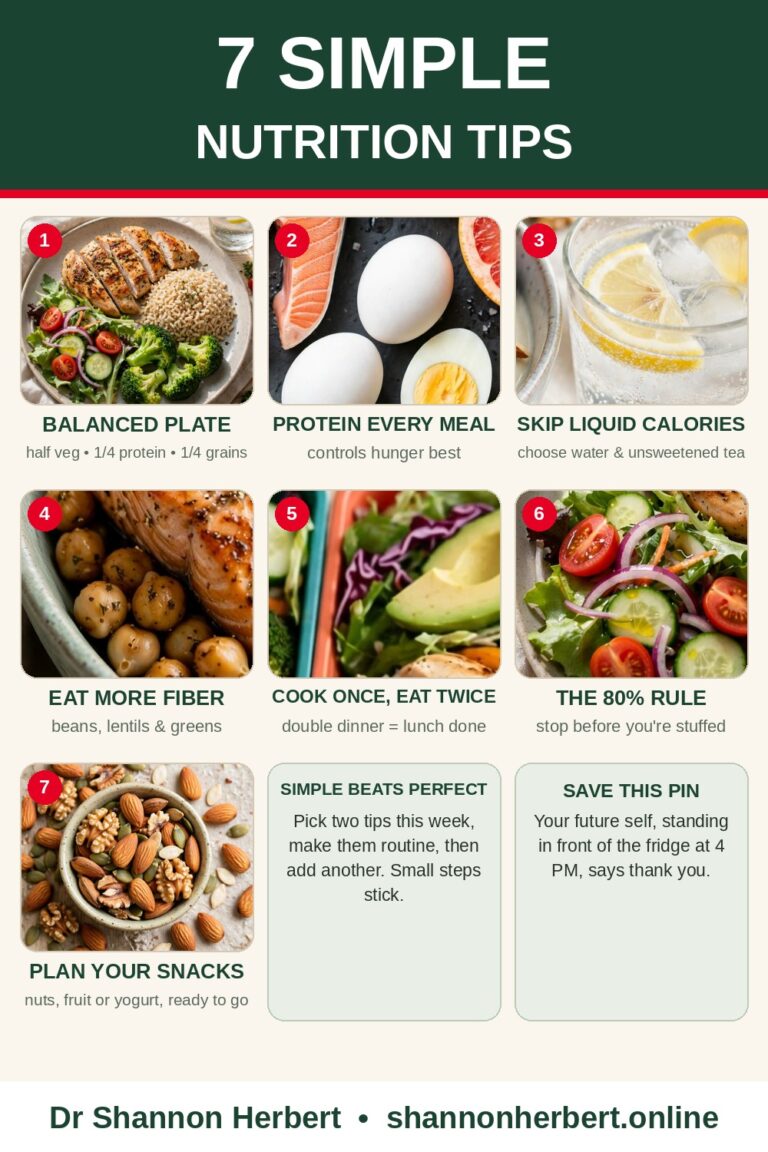
The plate formula. Lunch and dinner follow a simple build: half the plate vegetables, one quarter protein (chicken, fish, eggs, beans, tofu, Greek yogurt), and one quarter whole grains or starchy vegetables like potatoes and sweet potatoes. Add a thumb or two of healthy fat — olive oil, avocado, a sprinkle of nuts — for flavor and staying power.
Protein at every meal. Each main meal carries roughly 25–40 grams of protein, and the snack adds a little more. Protein plus fiber is the combination that keeps hunger quiet between meals, and it is why no day on this plan should leave you staring at the fridge by nine o’clock.
Gentle calorie guidance. The portions below land most adults somewhere around 1,500–1,800 calories a day — a range where many adults lose weight steadily. Your personal number could be higher or lower depending on your size, activity level, age, and health; needs genuinely vary, and there is no single correct target. This plan deliberately avoids very-low-calorie eating: diets under roughly 1,200 calories are hard to make nutritionally complete and belong under medical supervision only. If you would like a personal target, a registered dietitian can set one in a single visit.
No counting required. Follow the plate formula and the suggested portions and you can skip the calorie math entirely. If you enjoy tracking for a week or two to learn what your portions look like, that is fine too — treat it as information, not judgment.
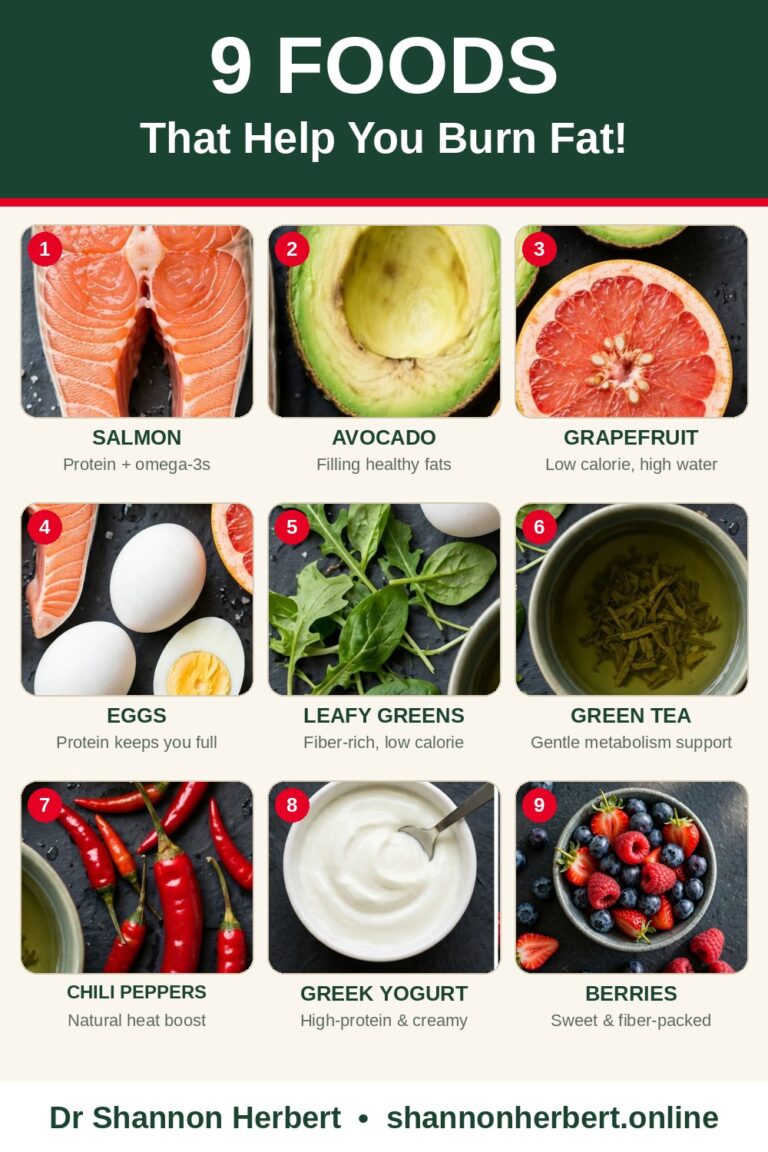
A note on “fat-burning” foods. No single food melts fat, but protein-rich, high-fiber meals genuinely help you eat less without trying — which is why this plan leans on the same foods featured in our roundup of foods that help you burn fat.
Hunger is information, not failure. This plan is calibrated for steady, sustainable loss, not the fastest possible loss. If you finish a day genuinely hungry — not bored-hungry or habit-hungry, but stomach-growling hungry — the correct response is to eat a little more at the next meal, ideally protein and vegetables, and to consider whether these portions are simply too small for your body. A plan you can follow for twelve weeks beats a stricter plan you quit in nine days, every single time.
Expect a rhythm, not a straight line. Most people find days one and two easy (novelty helps), day three or four wobbly (which is why Day 4 runs on leftovers), and the weekend the real test — which is why one flexible meal is planned in rather than forbidden. Knowing the rhythm in advance makes each phase feel normal instead of alarming.
Before You Start: Three Small Setups
First, pick one hour this week for light prep — the plan runs on it. Second, check the shopping list at the end against your pantry; you probably already own half the oils and spices. Third, decide on one flexible meal — a lunch or dinner out with family or friends — and plan it in rather than “failing” into it. Fourth, tell someone — a partner, a friend, anyone — that you are running a one-week experiment. Plans that exist out loud survive busy days far better than secret ones. This plan feeds one adult for seven days; scale the shopping list up for your household.
Day 1
- Breakfast: Greek yogurt power bowl — 1 cup Greek yogurt with 1/2 cup berries, 2 tablespoons walnuts, and 1 tablespoon ground flaxseed.
- Lunch: Grilled chicken and quinoa salad — 4 ounces chicken breast over 3/4 cup cooked quinoa with cucumber, tomatoes, and greens, dressed with lemon and 2 teaspoons olive oil.
- Snack: 1 apple with 1 tablespoon peanut butter.
- Dinner: Baked salmon (5 ounces), 1 medium roasted sweet potato, and 1 1/2 cups garlic broccoli.
A calm, classic start: the salmon’s healthy fats and the sweet potato’s fiber make dinner feel like a treat rather than a compromise, and you will not be hungry at bedtime.
Day 2
- Breakfast: Veggie omelet — 2 eggs with spinach, tomato, and onion, plus 1 slice whole-grain toast.
- Lunch: Hearty lentil soup (1 1/2 cups) with a side salad and 1 tablespoon crumbled feta.
- Snack: 3/4 cup cottage cheese with cucumber slices and cherry tomatoes.
- Dinner: Turkey and black bean chili (1 1/2 cups) topped with 2 tablespoons Greek yogurt instead of sour cream, with steamed green beans on the side.
Make the full pot of chili even though tonight’s portion is modest — Day 6’s lunch depends on it, and chili tastes better on its second outing anyway.