A Simple 5-Day Healthy Meal Plan for Beginners
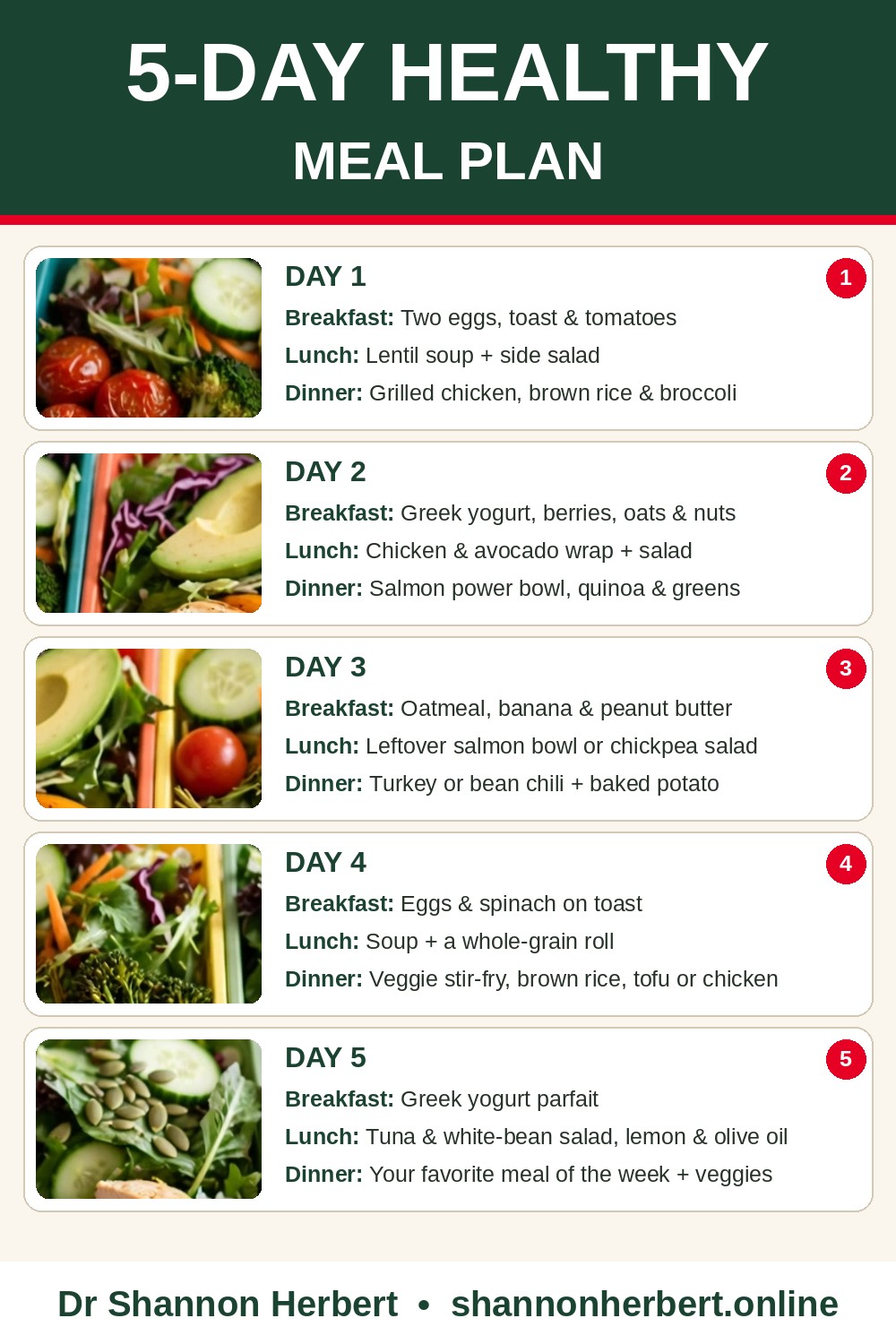
Day 5
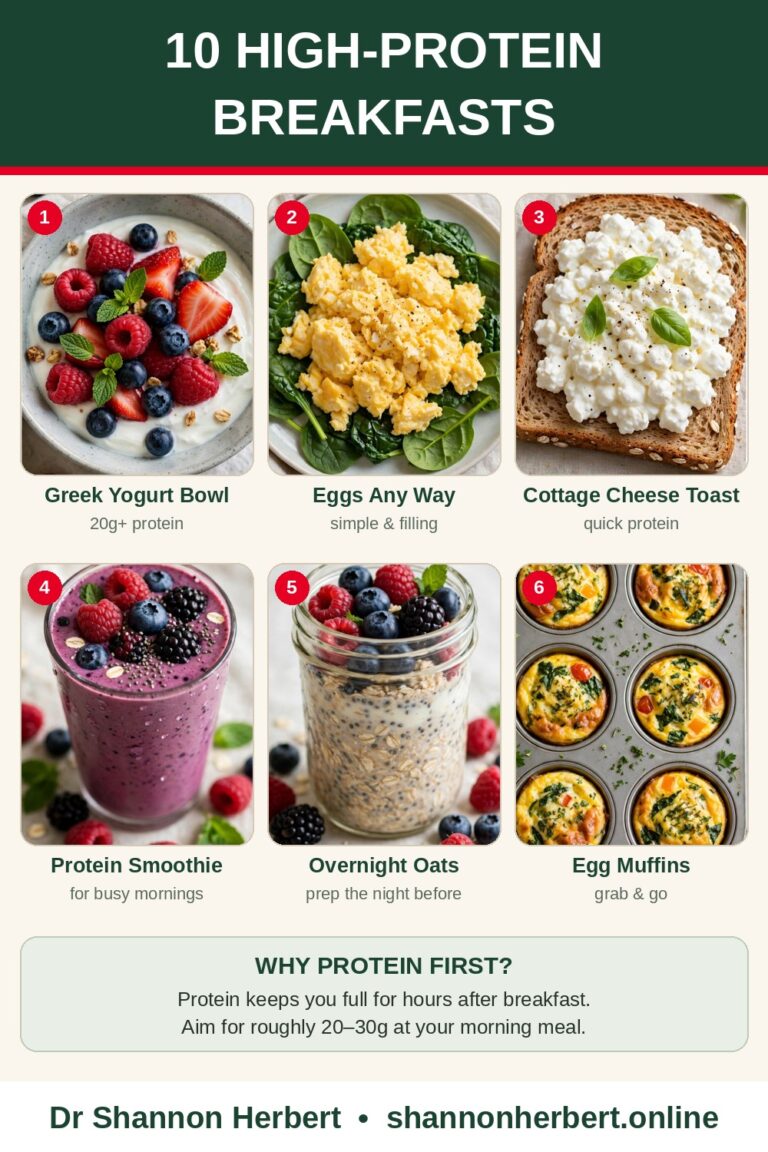
- Breakfast: Greek yogurt parfait
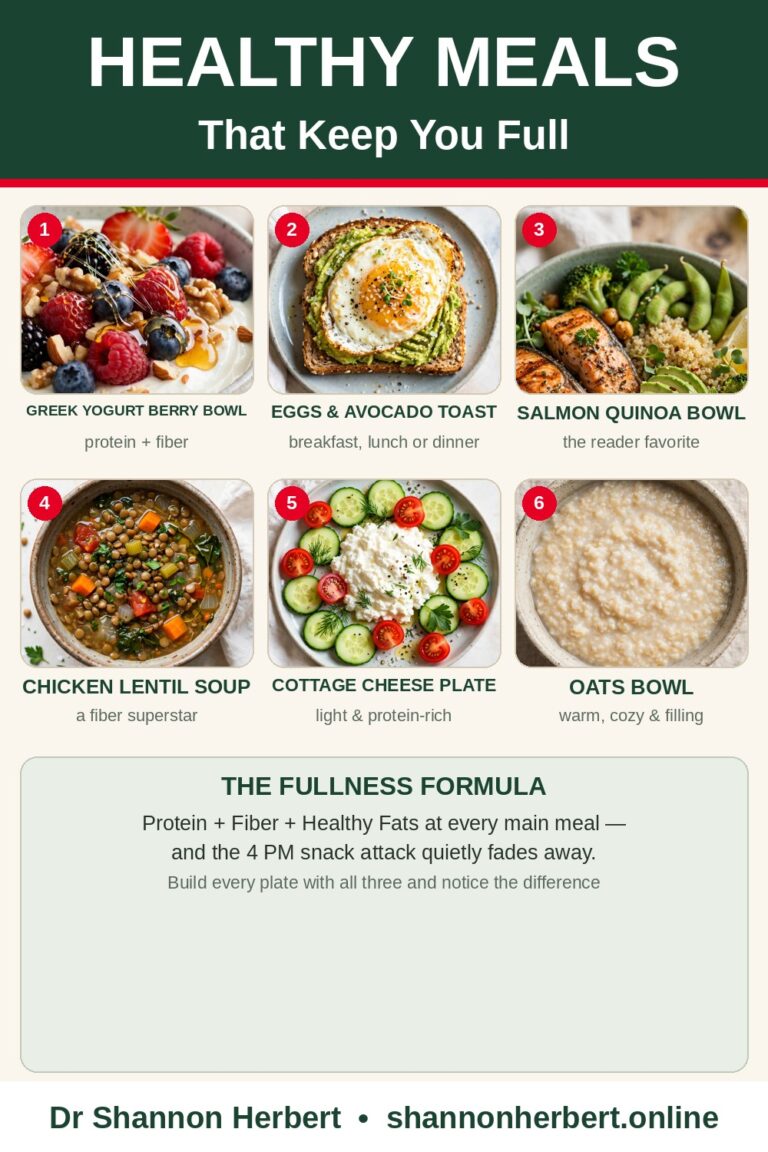
- Lunch: Tuna and white-bean salad with lemon and olive oil
- Dinner: Your favorite meal of the week, repeated — with a big side of vegetables
How the day works: The parfait repeats Day 2’s winning breakfast in layered form. Lunch is a no-cook classic from Mediterranean kitchens: canned tuna and canned white beans with lemon, olive oil, red onion, and parsley — protein and fiber in serious amounts, for very little money, with zero cooking. And dinner is deliberately your choice: repeat whichever dinner you enjoyed most this week. That small piece of autonomy is built into the plan on purpose. Plans that allow no preference tend to collapse; plans that end the week with a favorite tend to get repeated.
Then what? You have two honest options. Repeat the same five days next week with small swaps (different fish, different soup, different stir-fry vegetables) — many people happily run this plan for a month. Or treat these five days as a template and start rotating in your own meals built on the same formula.
Your Simple Shopping List
Organized the way a store is laid out, so one trip covers the week:
Produce: Broccoli, spinach, salad leaves, tomatoes, cucumber, peppers, carrots, celery, onions, garlic, ginger, lemons, avocado (3–4), bananas, berries (fresh or frozen), apples or other fruit for snacks, potatoes, fresh herbs if you like them.
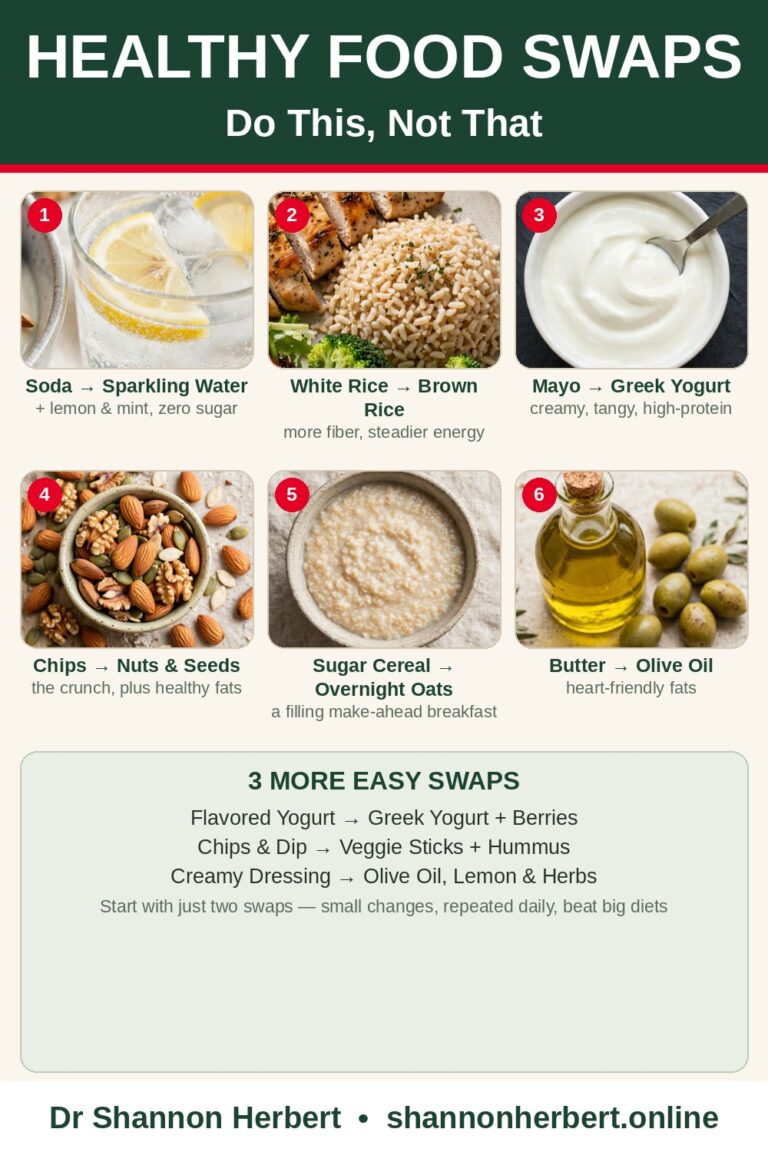
Protein: Eggs (at least a dozen), chicken breasts (3–4) or a whole chicken, salmon fillets (2–4, fresh or frozen), canned tuna (2 cans), ground turkey (optional, for chili), tofu (optional).
Dairy and chilled: Greek yogurt (a large tub of plain), a small amount of cheese if you enjoy it.
Pantry: Lentils, chickpeas (canned or dried), white beans (canned), kidney or black beans for chili, canned chopped tomatoes, oats, brown rice, quinoa, whole-grain bread, wraps, and rolls, olive oil, peanut butter, mixed nuts, and your usual herbs and spices.
Nothing on this list is exotic, and almost everything keeps well — which is deliberate. A beginner plan built on perishable specialty ingredients is a plan designed to fail.
Substitutions and Budget Tips
- No salmon? Canned sardines, mackerel, or frozen white fish all work. The power bowl also succeeds with chickpeas and edamame as the protein.
- Vegetarian week? Drop the chicken, salmon, tuna, and turkey; double down on lentils, beans, chickpeas, tofu, eggs, and Greek yogurt. The plan’s structure survives completely.
- Tight budget? Lentils, oats, eggs, canned beans, frozen vegetables, and frozen berries are among the cheapest nutritious foods in any store. The soup and chili days cost very little per serving — lean on them more often.
- Short on time? Rotisserie chicken replaces the grilled chicken, microwave rice replaces the batch cooking, and bagged salads replace the chopping. Slightly more expensive, still entirely workable.
- Cooking for a family? Every dinner here scales by simple multiplication, and the soup and chili are naturally family-sized already.
Common Beginner Mistakes
Undereating to “be good.” Cutting the plan’s portions in half does not double your results; it doubles your hunger and usually ends the plan early. Eat the meals as written for the first week and adjust only if you are consistently over-full.
Skipping the prep and winging it. The plan’s magic is mostly the Sunday prep. Without it, every meal becomes a project, and projects get skipped.
Drinking the plan away. Two sweet drinks a day can add more calories than the plan carefully saves. Keep drinks simple for these five days and notice the difference.
Treating one off-plan meal as failure. It is a meal, not a verdict. Eat the next planned meal and carry on. Consistency across weeks matters; perfection across days does not.
Eating Out and Real Life During the Plan
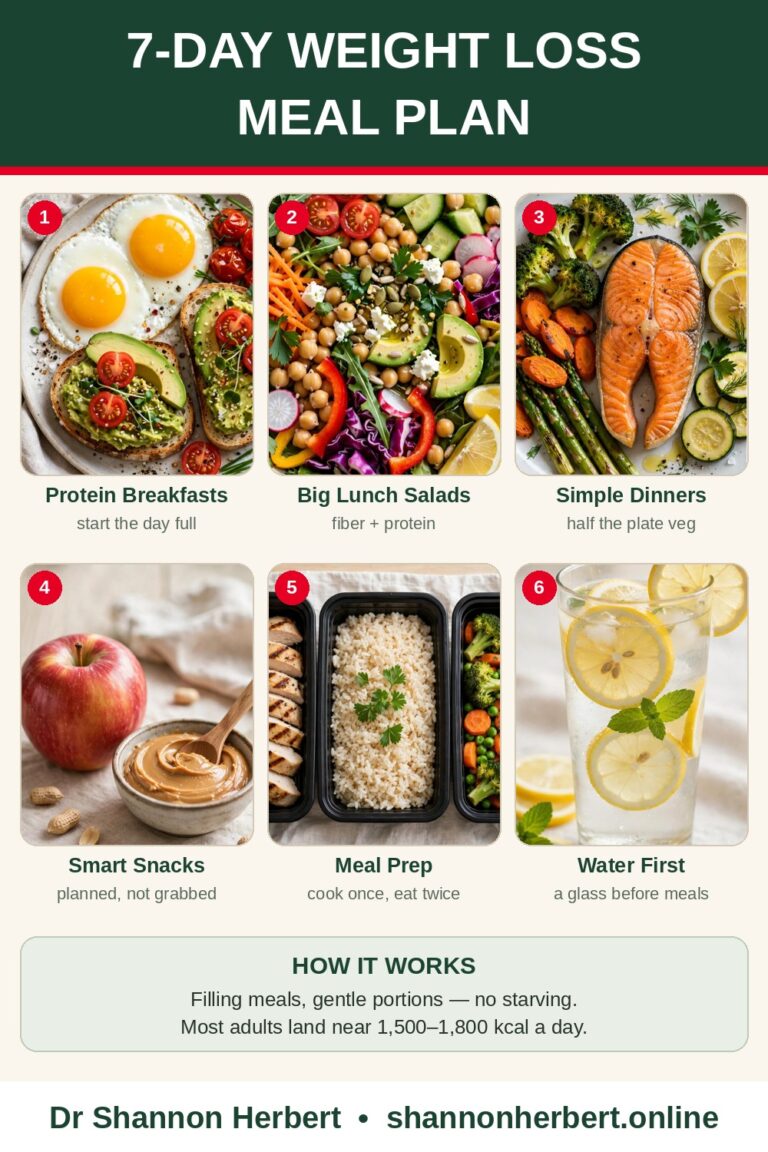
Five real days include real life, so here is how to handle the situations the plan cannot predict. A restaurant meal: look for the formula on the menu — a protein, vegetables, and a grain or potato — and you will find it almost everywhere: grilled fish with rice and vegetables, a chicken salad with bread, a bean chili. Ask for dressing on the side, drink water, and enjoy the meal without a post-mortem. A work lunch you cannot control: eat what is served, add the best snack you have later if it was light, and return to the plan at dinner. A celebration: eat the cake. One meal in a week of planned eating is a rounding error, and treating it as a catastrophe does more damage than the cake ever could.
The deeper point is that this plan is not a five-day performance followed by a return to chaos. It is a rehearsal for a way of eating you can keep: decide in advance, cook in batches, build meals from a formula, and let ordinary life happen around the edges without dismantling the structure.
Frequently Asked Questions
Can I swap the order of the days?
Yes, freely. The days are interchangeable; just keep the leftovers logic in mind (chili and soup are made in batches on purpose).
What if I do not eat breakfast?
Move breakfast’s protein to your first meal of the day. The plan cares about daily totals and the fullness formula more than about the clock.
Is coffee okay?
Yes. Black coffee or coffee with a splash of milk fits easily. Sugar-loaded specialty drinks are the ones to watch — see the mistakes section above.
How do I know if the portions are right for me?
You should finish meals comfortably satisfied and get hungry again around the next meal — not an hour before it, and not still full at it. Adjust grain and fat portions up or down in small steps until that rhythm appears.
Make It Yours
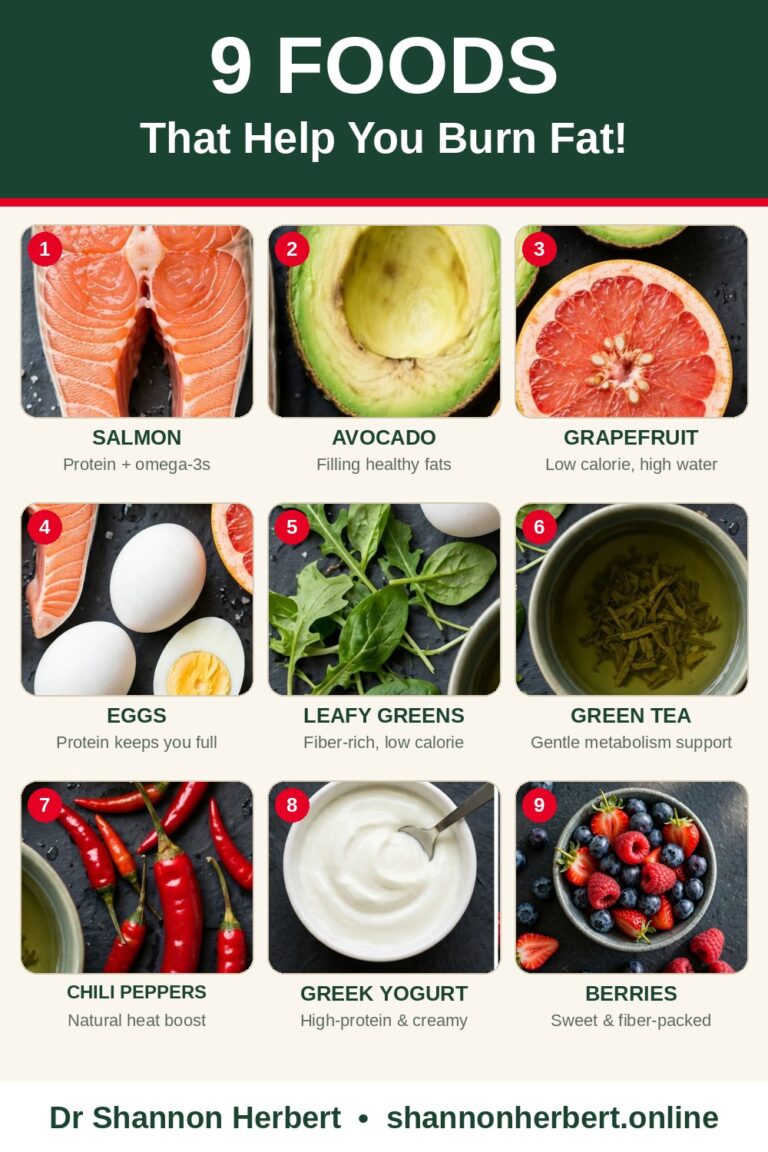
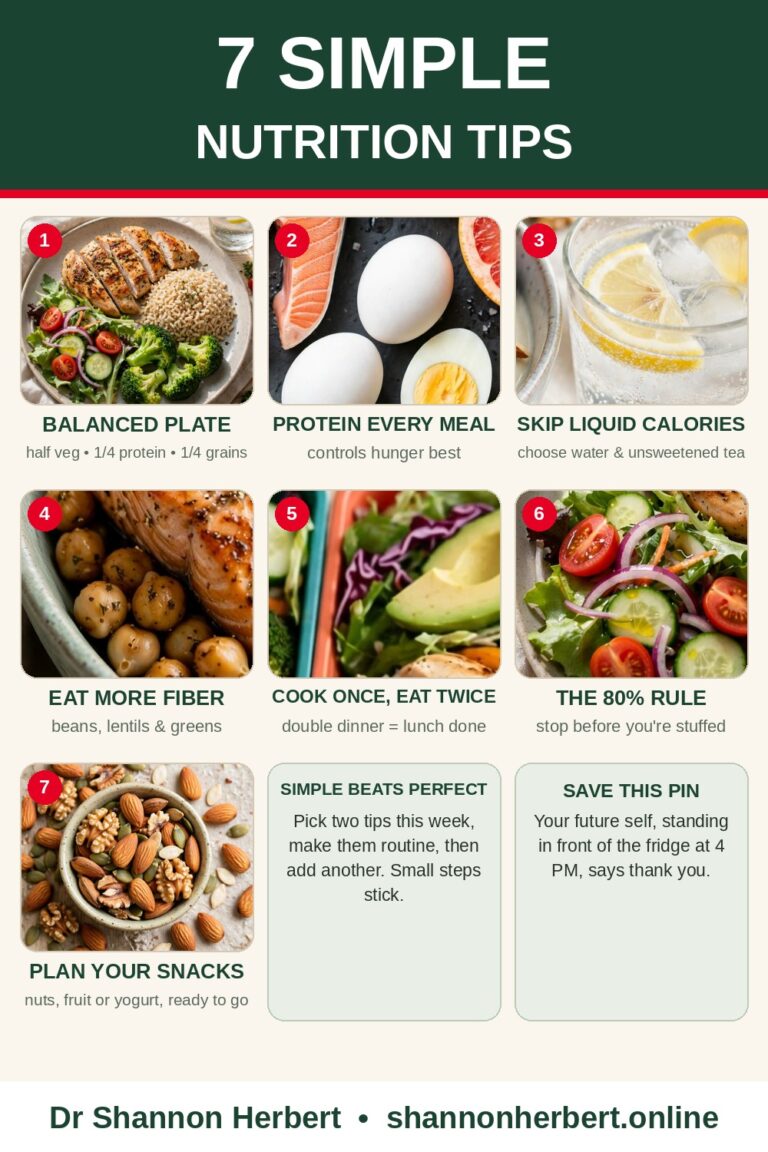
Swap any protein for another, repeat days you loved, and keep portions comfortable — this is a pattern, not a punishment. For the reasoning behind the food choices, read 9 Foods That Help You Burn Fat and our 7 Simple Nutrition Tips. And if you enjoy the ritual side of food and health, our Remedies readers swear by a spoonful of the Honey and Garlic Tonic in cold season — tradition and nutrition sit very comfortably at the same table.
This article is for general information only and is not medical advice. If you have a medical condition, ask your doctor or dietitian before changing your diet.