Do This, Not That: 8 Simple Food Swaps for Healthier Eating
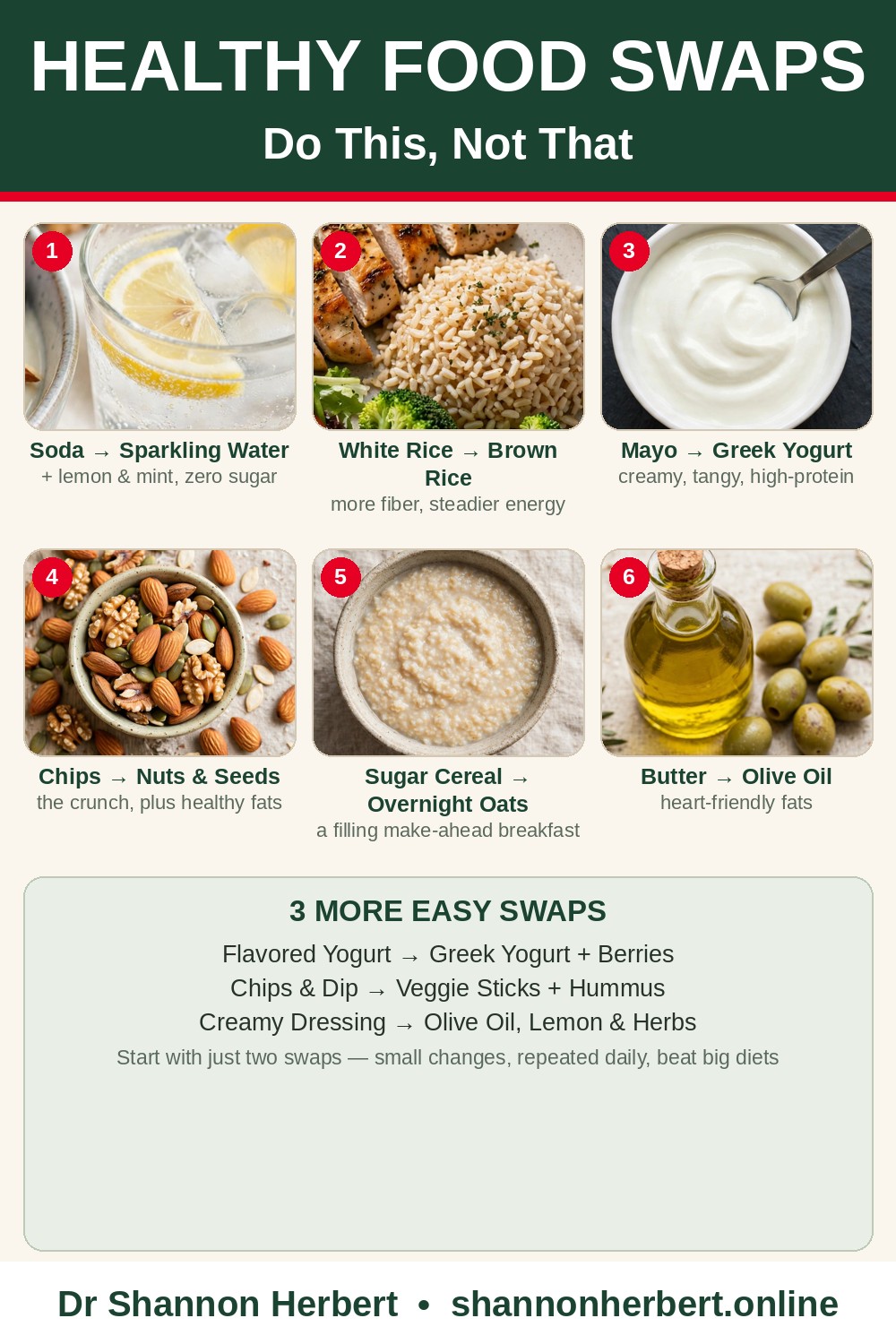
4. Chips and Dip → Veggie Sticks With Hummus
Still crunchy, still dippable — with fiber and protein instead of mostly salt and oil. Compare the handfuls honestly: about 30 grams of chips (a small handful) runs 150–160 calories with very little fiber or protein, and chips are engineered to be easy to keep eating. The same appetite, met with carrot, cucumber, pepper, and celery sticks plus a quarter-cup of hummus, lands at similar or fewer calories with roughly 5 grams of fiber, 5 grams of protein, and a physical volume that actually fills a stomach.
Make it enjoyable: Variety is the trick — four different vegetables taste like a platter; one sad carrot tastes like a diet. Season the hummus (smoked paprika, lemon, a drizzle of olive oil, chili flakes) and keep the sticks cut and ready in a container of cold water in the fridge, where they stay crisp for days. Warm whole-grain pita triangles alongside make the plate feel complete when you want something bready too.
Watch out for: Treating hummus as a free food. It is a good food, but it is still chickpeas and oil — a quarter to a third of a cup is a serving, not the whole tub. Portion it into a small bowl rather than dipping from the container, the same advice that applies to the chips it replaced.
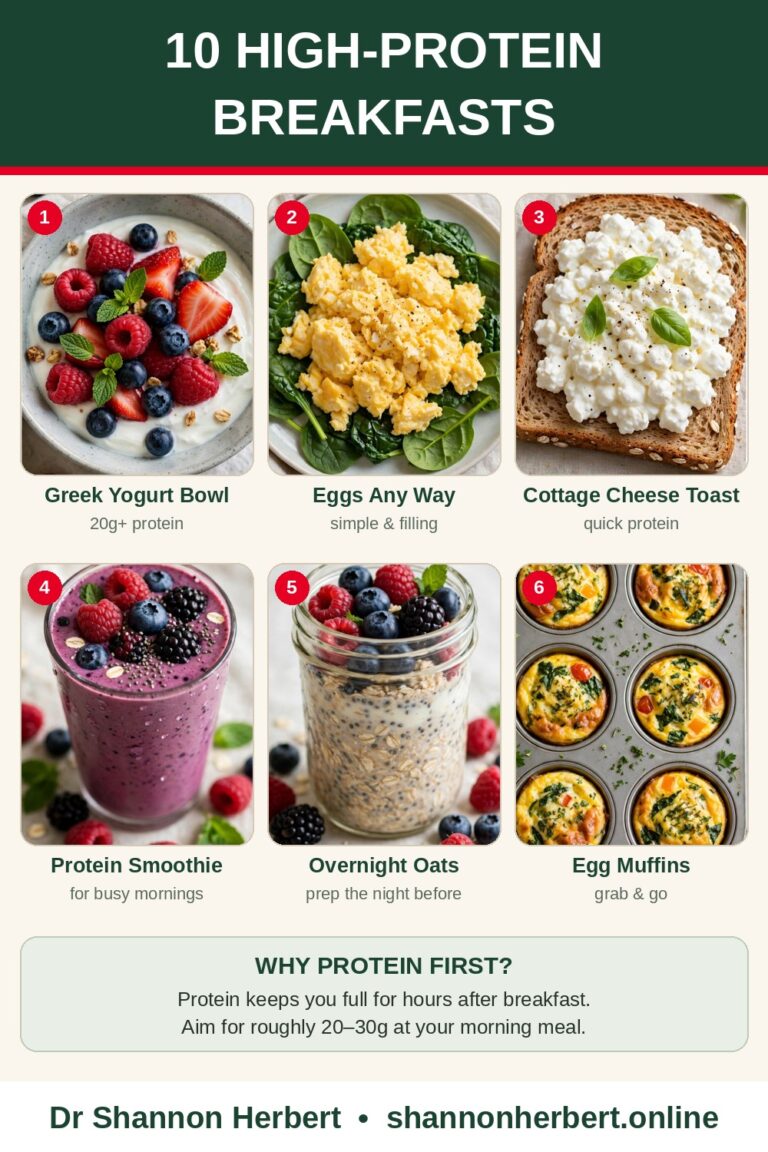
5. Sugary Cereal → Oatmeal With Fruit and Nuts
Warm, filling, and endlessly variable. This swap alone changes how most mornings feel. Many popular cereals — including some wearing health claims — deliver 12–20 grams of sugar in a serving that most people exceed without noticing. A bowl of oatmeal built on plain rolled oats starts at zero added sugar and adds the single best-studied fiber for steadier blood sugar: the beta-glucan in oats, which forms a gentle gel as it digests and slows everything down behind it.
Make it enjoyable: The base is a blank canvas, so rotate the toppings and it never gets old: banana and peanut butter; apple and cinnamon; berries and walnuts; pear and a pinch of ginger. Cook the oats in milk or half milk, half water for a creamier bowl and extra protein. Overnight oats — oats, yogurt or milk, and fruit, left in the fridge — give you the same breakfast with zero morning effort.
Watch out for: Instant flavored oatmeal packets, which are often just the sugary cereal problem in a warmer costume — check for 10+ grams of added sugar. Plain instant oats are fine; it is the flavoring sachet that does the damage. Steel-cut oats have a slight fiber edge and a chewier texture, but rolled oats are nearly as good and cook in five minutes — choose the one you will actually make.
The math: Swapping a sugary cereal breakfast for oatmeal typically saves 100–200 calories and adds 4–5 grams of fiber, while keeping people full noticeably longer — the rare change that improves the whole morning, not just the numbers.
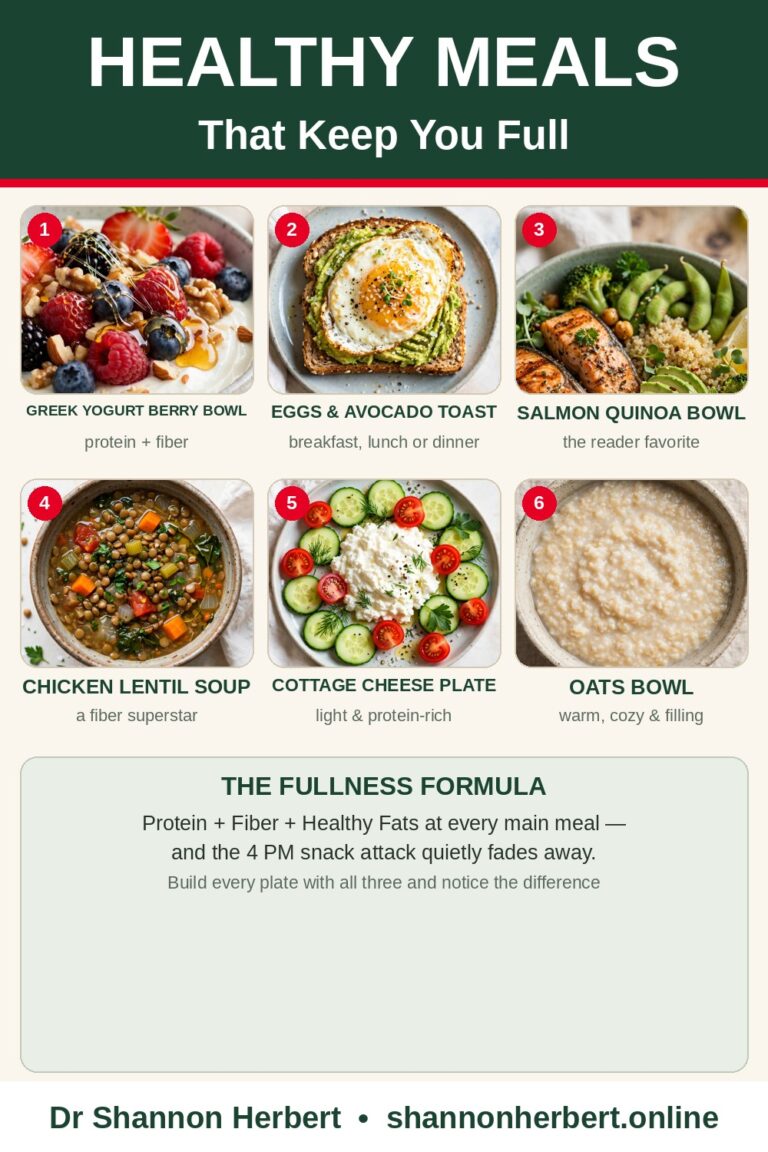
Batch-cooking note: Oats reward a little planning. Cook a large pot of plain oatmeal on Sunday, refrigerate it in portions, and reheat each morning with a splash of milk — it keeps its texture well for four to five days. Or skip cooking entirely with overnight oats assembled in jars. Either way, the five-minute objection disappears, and with it the main reason the cereal box wins on busy mornings. Savory oatmeal is the variation nobody expects to love: cook oats in stock, top with a fried egg, chili flakes, and spring onions, and breakfast starts behaving like the filling meals in our Healthy Meals That Actually Keep You Full guide.
6. Creamy Dressings → Olive Oil, Lemon, and Herbs
A good olive oil with lemon and garlic out-tastes most bottled dressings anyway. Bottled ranch and Caesar-style dressings typically run 140–160 calories per two tablespoons, plus a surprising amount of sugar and sodium — and two tablespoons is a polite fiction; most people pour four. A homemade dressing of one tablespoon of olive oil, lemon juice, a little mustard, garlic, and herbs lands around 90 calories for a more generous coating, because the acid and herbs do the flavor work that bottled dressings buy with fat and sugar.
Make it enjoyable: Learn one base ratio and improvise forever: 3 parts oil to 1 part acid (lemon juice or any vinegar), a teaspoon of Dijon mustard to hold it together, salt, pepper, and one flavor accent — garlic, fresh herbs, a pinch of chili, or a teaspoon of honey. Shake it in a jar; it keeps a week in the fridge. Yogurt-based dressings are the other great option when you specifically want creamy: Greek yogurt, lemon, herbs, and garlic give you the texture for a fraction of the calories.
Watch out for: The “healthy halo” pour. Olive oil is a genuinely nutritious fat and also 120 calories a tablespoon. The swap works because a tablespoon of a sharp, flavorful dressing satisfies where four tablespoons of a bland one did not — measure for the first week until your eye learns the amount.