9 Foods That Help You Burn Fat (And How to Actually Use Them)
7. Avocado
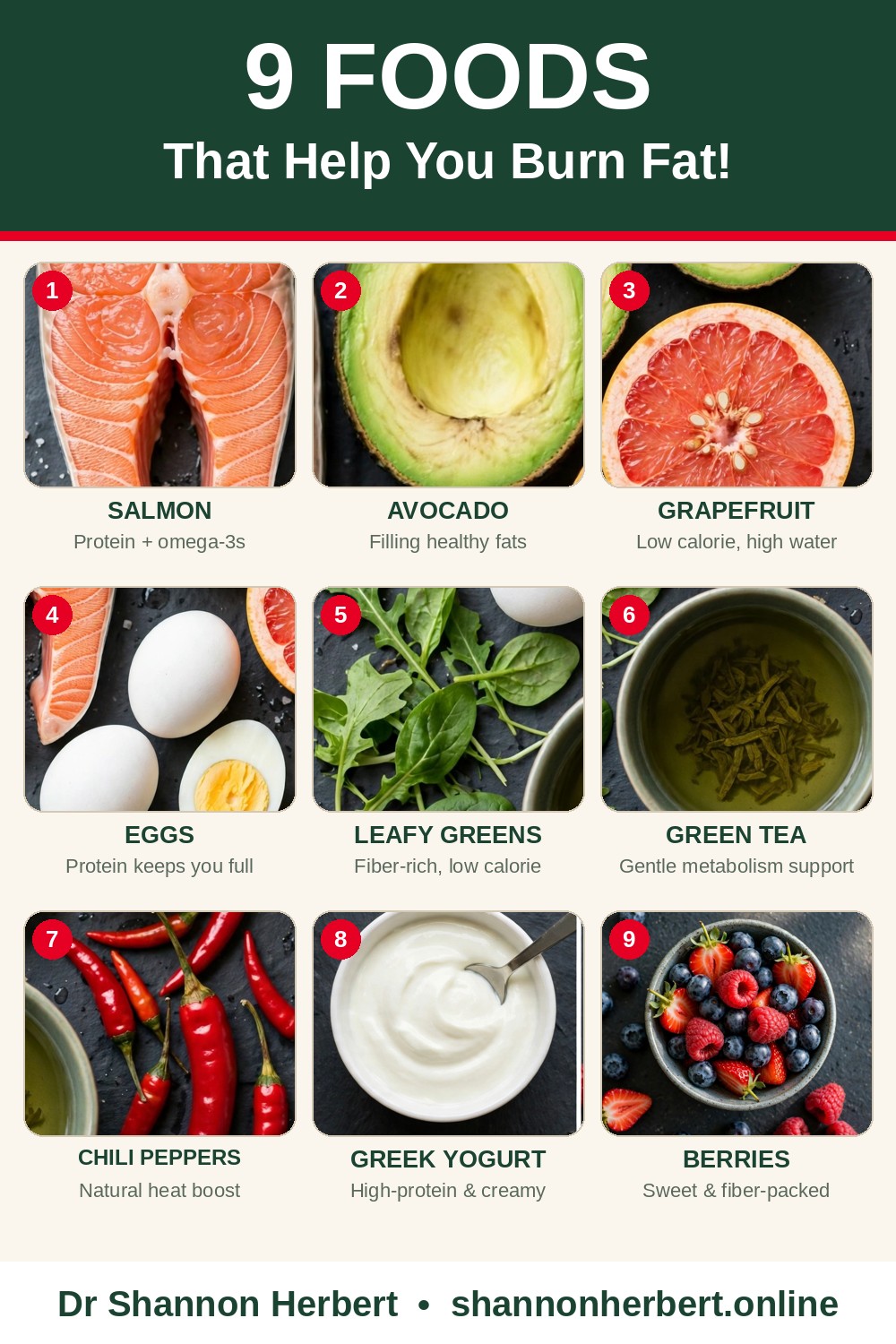
Yes, avocado has calories — about 160 in half a medium fruit, mostly from fat. This is the food people fear on a diet, and it is a good example of why calories alone do not decide whether a food helps. Avocado’s fats and fiber (about 5 grams of fiber in that same half) keep you full for hours, which stops the snacking that really adds up. A smaller, satisfying meal beats a “light” meal followed by three trips to the kitchen.
Avocado also makes healthy food taste better, which is an underrated benefit. Greens, eggs, grain bowls, and plain chicken all become more appealing with it on the plate — and a diet you enjoy is the only kind that survives contact with real life.
How much: A quarter to half an avocado a day fits most calorie budgets comfortably. Think of it as a replacement for other fats — butter, mayo, creamy dressings — not an addition on top of them.
Best ways to use them:
- Smashed on whole-grain toast with chili flakes and a boiled egg
- Cubed into salads and grain bowls in place of cheese
- Blended with lime and yogurt as a creamy dressing
- As the fat in a tuna or chickpea salad instead of mayonnaise
Common mistake: Treating “healthy fat” as “unlimited fat.” Avocado is genuinely nutritious and genuinely energy-dense. Portion awareness, not fear, is the right response.
8. Grapefruit
Half a grapefruit before a meal is an old trick with decent evidence behind it: in several studies, people who ate grapefruit before meals ate a little less overall and lost modestly more weight over a few months than people who did not. The likely mechanism is unglamorous — it is a high-water, high-fiber food that takes the sharp edge off hunger before the main course arrives, so the main course naturally shrinks a bit.
A whole grapefruit has about 100 calories, more than half your day’s vitamin C, and a tartness that wakes up a breakfast plate.
How much: Half a grapefruit before breakfast or lunch, a few times a week, is the pattern used in most studies.
Important caution: Check with your doctor or pharmacist first if you take prescription medication. Grapefruit interacts with several common medicines — including some statins, blood pressure medicines, and others — by changing how your body processes them. This interaction is real and well documented, so this is one food where asking first genuinely matters.
Best ways to use it:
- Simply halved and eaten with a spoon before a meal
- Segments tossed into a green salad with avocado
- Broiled briefly with a tiny pinch of cinnamon for a warm dessert
Common mistake: The “grapefruit diet” version — trying to live on grapefruit and little else. That is a crash diet wearing a fruit costume. Grapefruit is a helpful supporting player, never the whole team.
9. Apple Cider Vinegar — With Care
Apple cider vinegar (ACV) is the most hyped item on this list, so it deserves the clearest framing. A few small studies suggest that a little vinegar with a meal can modestly blunt the blood-sugar rise after eating and slightly increase feelings of fullness. The effects are small, the studies are short, and ACV is not a fat-melting tonic. Used sensibly, it is a harmless habit for most healthy adults; used carelessly, it can hurt you.
One teaspoon diluted in a full glass of water before a meal is the popular routine. Always dilute it, never drink it straight — undiluted vinegar can damage tooth enamel and irritate or burn the throat and stomach. Drink it through a straw if you use it often, rinse your mouth with plain water afterward, and skip it entirely if it irritates your stomach, if you have reflux, or if you take medicines affected by potassium or blood sugar, such as some diuretics or insulin — ask your doctor in those cases.
Our Remedies readers use it too — see it in 20 Natural Remedies You Can Make at Home, alongside other kitchen traditions like the Honey and Garlic Tonic and the Fermented Pineapple Honey Remedy.
Best ways to use it:
- One teaspoon in a large glass of water before one meal a day, to start
- As the acid in salad dressings — the tastiest and gentlest way to get it
- In marinades, where it tenderizes and flavors at once
Common mistake: Chasing bigger doses for bigger results. With ACV, more is not better; more is how people end up with sore throats and damaged enamel.
How to Put This Into Practice
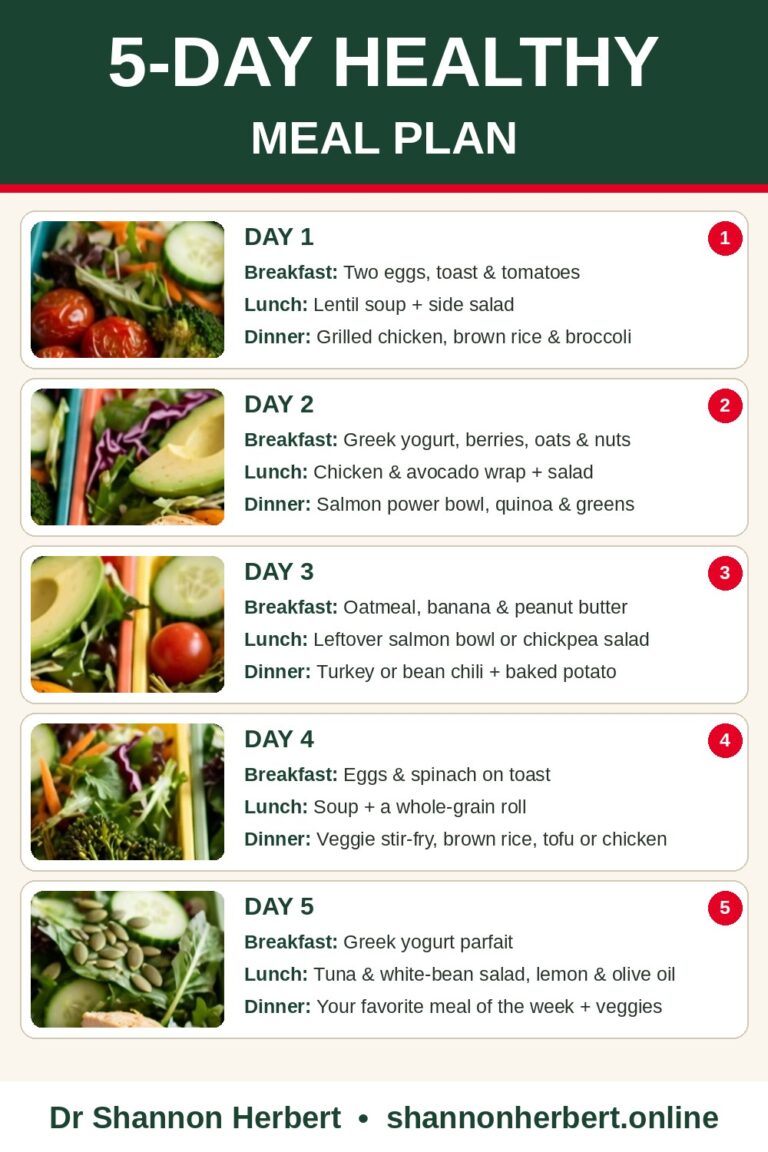
Do not overhaul your kitchen overnight. Pick two or three of these foods — the ones you already like — and build them into the meals you already eat, using our Simple 5-Day Healthy Meal Plan as the framework. A realistic week might look like this: eggs twice for breakfast, Greek yogurt as your standing afternoon snack, salmon on Friday, and a big leafy base under three dinners. That is it. Small, repeatable, boring in the best way.
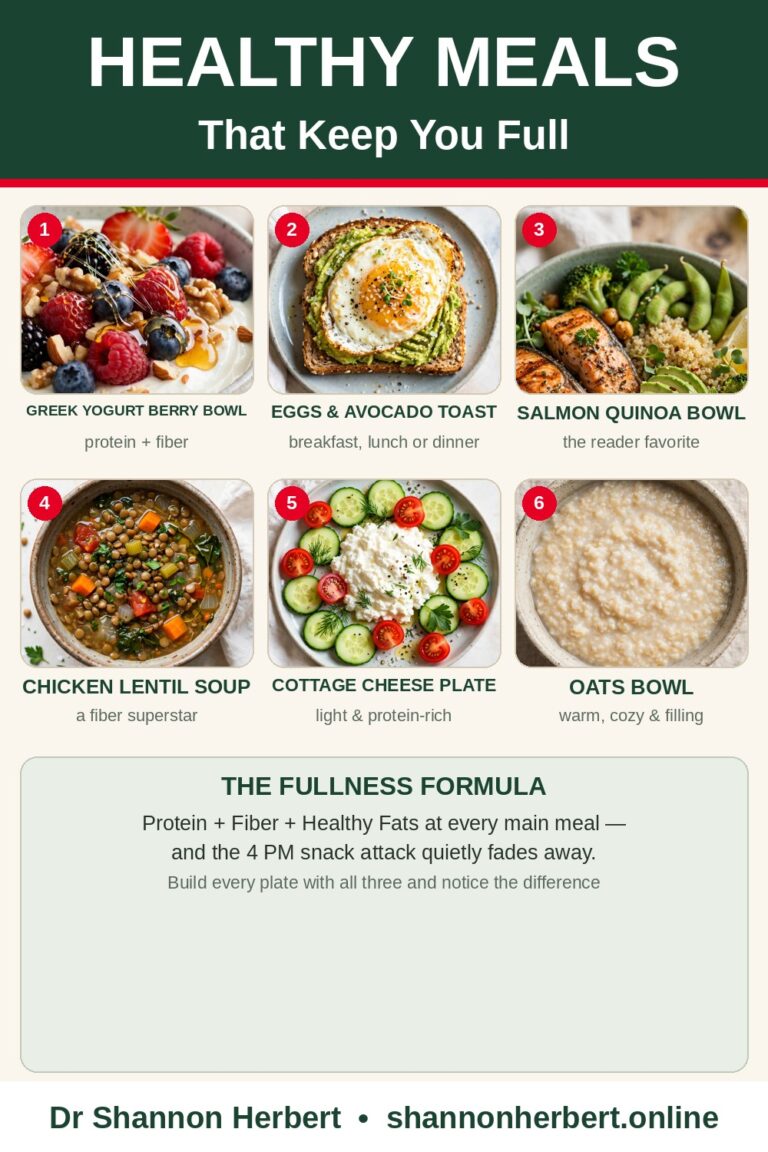
Then read Healthy Meals That Actually Keep You Full — because full is what makes any plan last. These nine foods work best as parts of complete meals built on protein, fiber, and healthy fats, not as magic ingredients sprinkled over an unchanged diet.
Frequently Asked Questions
Can I just add all nine foods to my current diet and lose weight?
Not if “add” means “on top of everything I already eat.” These foods help when they replace less filling, more calorie-dense choices — eggs instead of a pastry, green tea instead of soda, avocado instead of mayo. Replacement, not addition, is the mechanism.
How fast should I expect results?
Healthy, sustainable fat loss is usually around 0.5–1% of body weight per week at most, and often slower. If a food or product promises dramatically faster results, that is a marketing claim, not a nutrition fact.
Are frozen or canned versions okay?
Yes. Frozen greens, canned fish, and frozen berries keep nearly all the nutrition of fresh versions at a fraction of the price. For canned foods, watch added sodium and syrups.
Do I need to buy organic for any of this?
No. Conventional versions of every food on this list deliver the benefits described. Spend your budget on eating these foods regularly, not on premium labels.
This article is for general information only and is not medical advice.