9 Foods That Help You Burn Fat (And How to Actually Use Them)
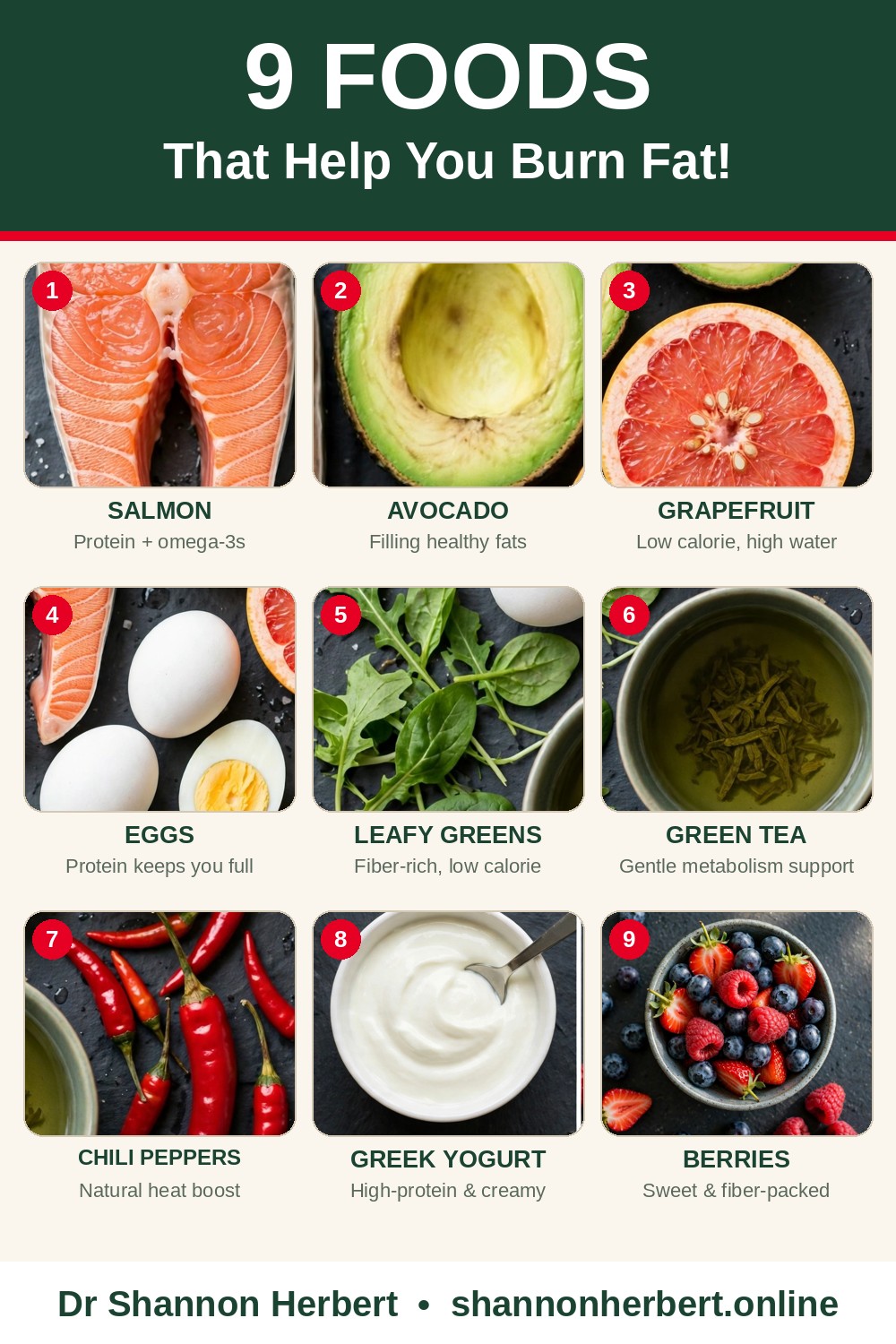
4. Greek Yogurt
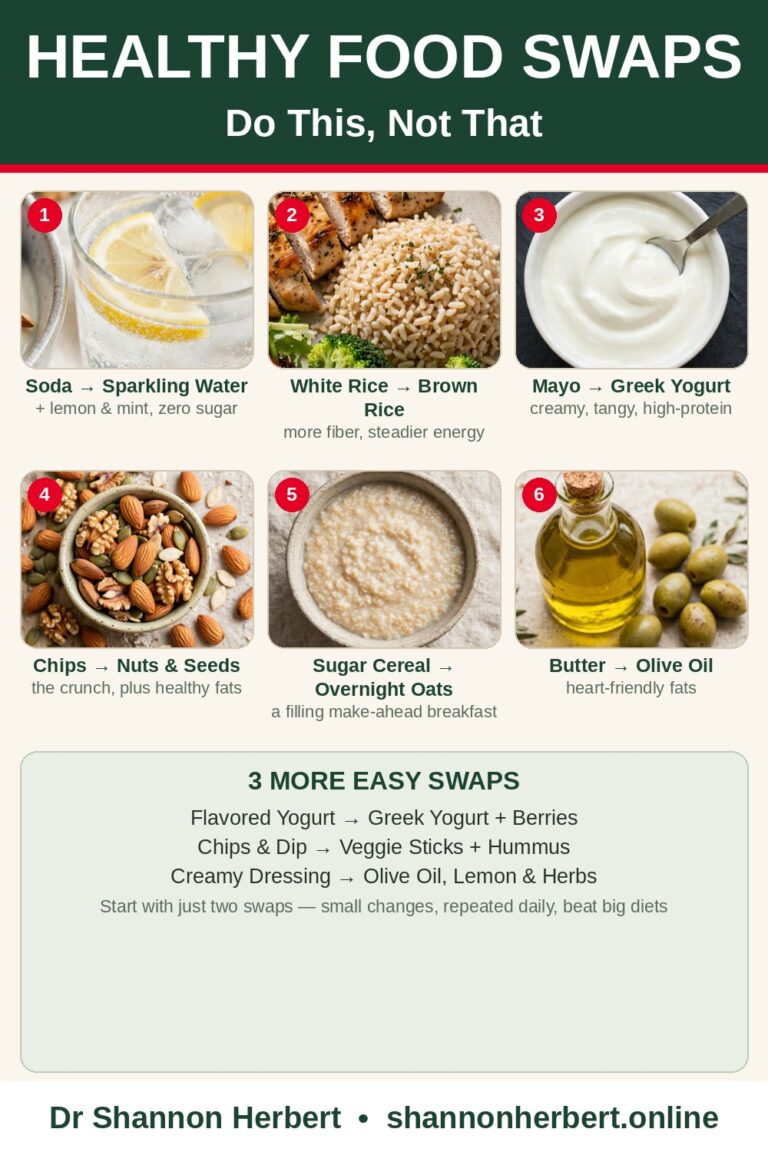
Greek yogurt is strained, which is why it is so thick — and why it packs roughly twice the protein of regular yogurt. A 3/4-cup (170 g) serving of plain nonfat or low-fat Greek yogurt gives you about 15–18 grams of protein for around 100–130 calories. That is an exceptional protein-per-calorie ratio, and it is why plain Greek yogurt with berries beats most “diet” snacks for staying power.
The plain part matters. Flavored yogurts can hide 4–6 teaspoons of added sugar in a small cup, turning a smart food into a dessert wearing a health halo. Buy it plain and add your own fruit: you control the sweetness, and fresh or frozen berries bring fiber along with flavor.
How much: One serving a day is a practical target — at breakfast, as a snack, or as a cooking ingredient.
Best ways to use them:
- Parfait-style with berries, a spoon of oats, and chopped nuts
- As a sour cream replacement on potatoes, tacos, and soups
- Blended into smoothies to turn a drink into a meal
- Mixed with herbs and garlic as a sauce for chicken, fish, or grain bowls
- As the base of an overnight oats jar for busy mornings
Common mistake: Assuming “low-fat” flavored yogurt is the healthy choice. Check the label: if sugar (or honey, syrup, or cane juice) is near the top of the ingredients, it is not the food this section is talking about.
5. Green Tea
Green tea contains two mild active ingredients: caffeine and catechins, a family of plant compounds that includes EGCG. Together, they are linked to a small but real lift in the number of calories you burn over the day — research typically puts the effect in the range of a few dozen extra calories daily. That is not dramatic, and green tea will never outwork a large diet problem. But as a daily habit replacing a sugary drink, it helps twice: a tiny metabolic nudge, plus hundreds of calories not consumed.
There is a third benefit people overlook: ritual. A warm cup of tea after a meal is a natural “kitchen closed” signal, and many people find an evening cup replaces the snack they were not actually hungry for.
How much: Two to three cups a day is the range most studies use. Because it contains caffeine, keep it earlier in the day if you are sensitive, and do not exceed sensible caffeine totals from all sources.
Best ways to use it:
- Brewed plain, hot or iced, with lemon or mint
- In place of one daily soda or sweet coffee drink — often the biggest win of all
- As an afternoon pause instead of a vending-machine visit
Common mistakes: Loading it with sugar or honey until it is a soft drink in disguise, and expecting bottled sweetened green tea to behave like the brewed kind. Read the label: many bottled versions carry as much sugar as cola.
6. Chili Peppers
Capsaicin — the compound that makes chilies hot — can slightly raise the calories you burn for a short window after eating and take the edge off appetite for some people. The effect is modest, measured in small numbers, but chili has another advantage that may matter more: intensity. Hot, boldly flavored food is harder to eat mindlessly. A spicy meal tends to slow you down, and slowing down is one of the most reliable ways to notice you are full.
Heat also makes plain food interesting. Chicken breast, lentils, eggs, and vegetables all become easier to eat regularly when they are seasoned with confidence — and “regularly” is where results live.
How much: There is no required dose. Add heat gradually; your stomach sets the limit. Fresh chilies, dried flakes, and hot sauces (watch their sodium) all count.
Best ways to use them:
- Chili flakes or fresh chili in eggs, soups, and stir-fries
- A spoon of salsa as a near-free flavor upgrade for grilled proteins
- Chili and a squeeze of lime over roasted vegetables
- Hot sauce instead of creamy sauces when you want punch without calories
Common mistakes: Going from zero to extreme heat and giving up after one miserable meal, and relying on very salty bottled sauces as your only source. Build tolerance over weeks, not days. If you have reflux or a sensitive stomach, chili may not be your friend — skip it without regret; the other eight foods will carry you.
A Quick Word on “Fat-Burning” Supplements
Because this list exists, you will inevitably be offered pills, powders, and gummies that claim to do what these foods do, faster. Here is the honest comparison. The active ingredients in most fat-burner supplements are the same compounds discussed above — caffeine, green tea extract, capsaicin — at higher doses and much higher prices. Their measured effects are in the same modest range, while their side effects (jitters, racing heart, poor sleep, stomach trouble) are considerably more common, and poor sleep alone is a well-known driver of next-day hunger. Food gives you the gentle version of these effects packaged with protein, fiber, and micronutrients you needed anyway. If you are ever tempted by a supplement, that is a conversation for your doctor or pharmacist — especially because several popular ingredients interact with prescription medicines, just as grapefruit does below.