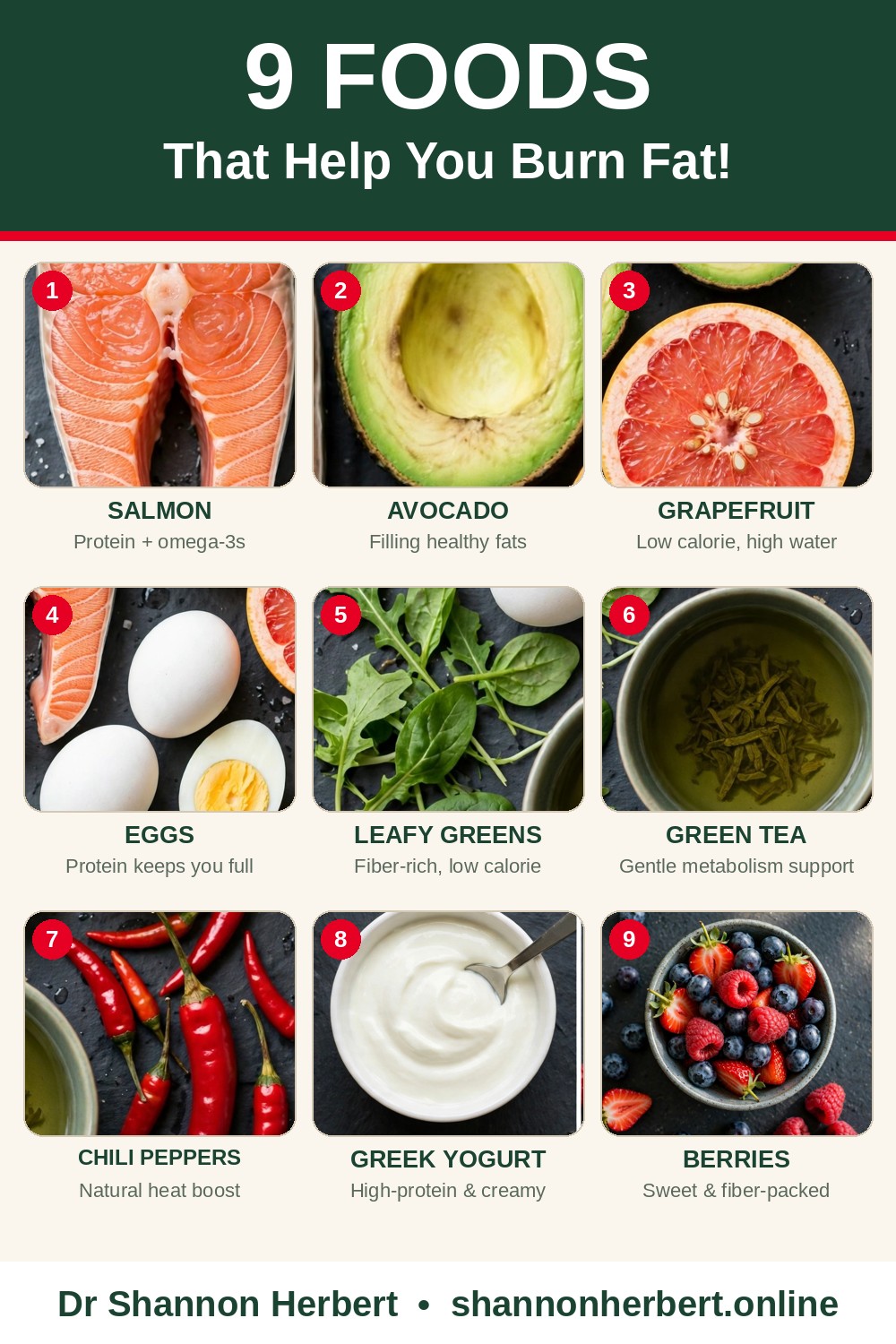
9 Foods That Help You Burn Fat (And How to Actually Use Them)
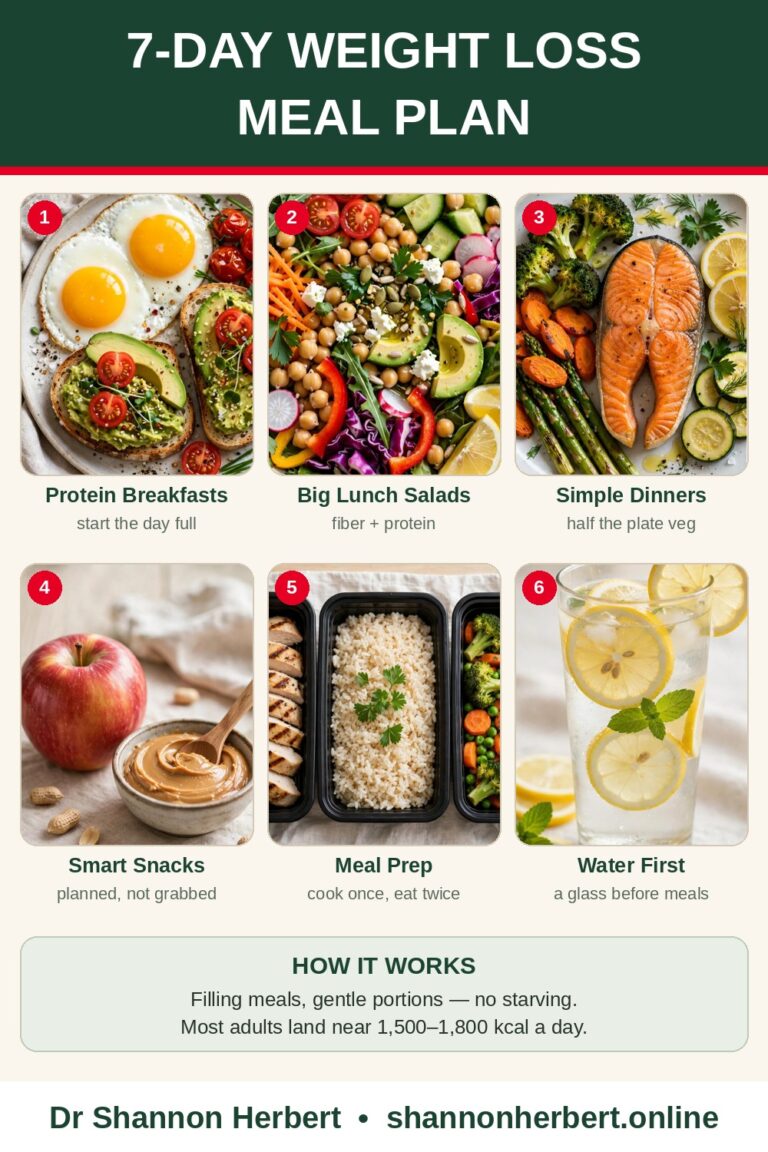
Let’s be honest first: no single food melts fat on its own. There is no berry, tea, or vinegar that cancels out an overall pattern of overeating, and any article that promises one is selling you something. But some foods genuinely help — and they help in ways that are easy to understand. They keep you full for longer, so you naturally eat less later. They give you plenty of nutrition for relatively few calories, so a smaller plate still feels like a real meal. A few of them nudge your metabolism up by a small amount, the way a tailwind helps a cyclist: it does not do the pedaling for you, but over a long ride it adds up.
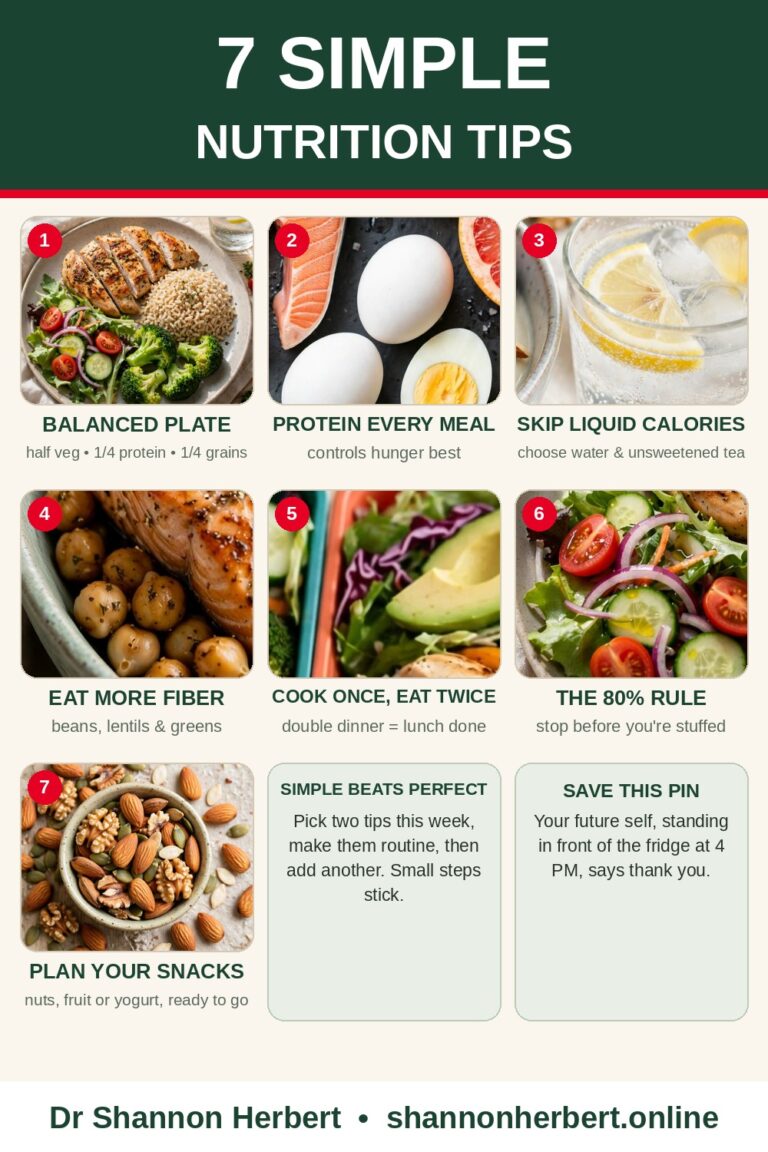
These are the 9 foods that come up again and again in nutrition research and in real kitchens. For each one, you will find what it actually does, how much to eat, the best ways to use it, and the common mistakes that quietly cancel out its benefits. You do not need all nine. Pick the ones that fit your taste and your budget, and build from there.
1. Eggs
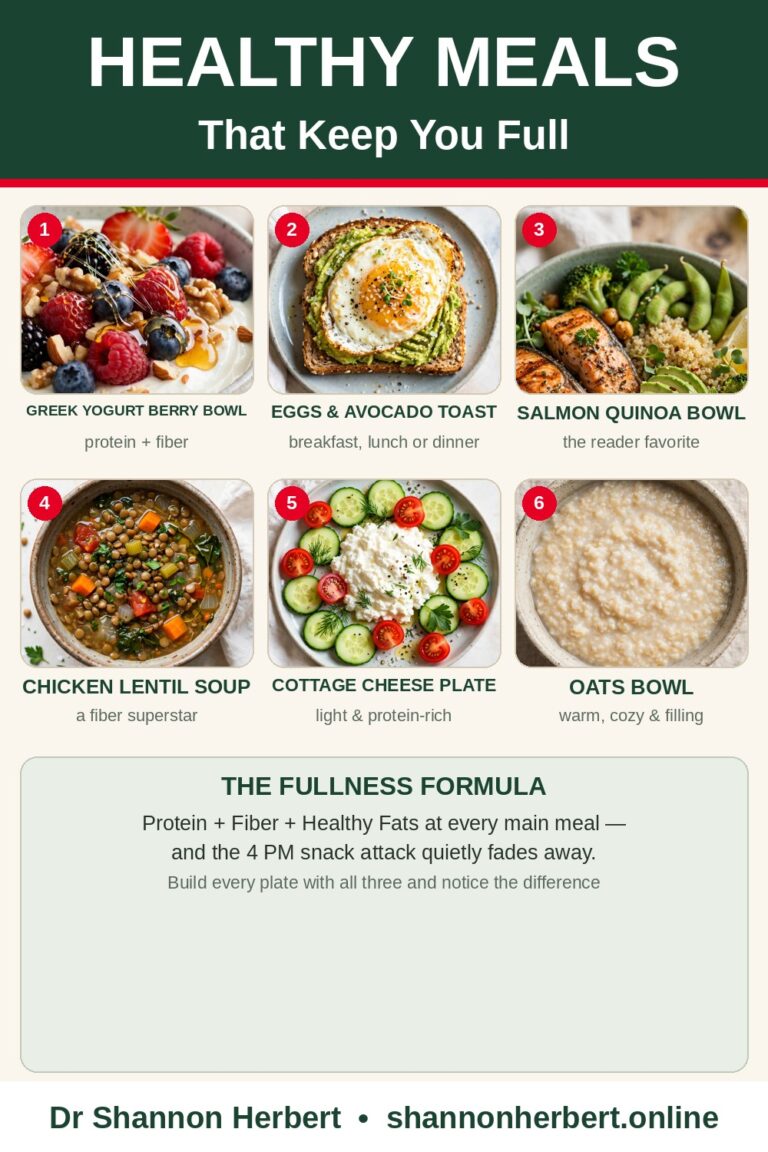
Eggs are close to a perfect weight-control food. One large egg has about 70 calories and roughly 6 grams of high-quality protein — the kind your body can use completely. Protein is the most filling of all the macronutrients, and study after study finds the same simple result: people who eat eggs for breakfast tend to feel satisfied for longer and snack less before lunch than people who eat a similar-calorie breakfast built on refined carbs, like a bagel or sweetened cereal.
The yolk matters too. It carries choline, vitamin D, B12, and most of the egg’s micronutrients, so unless your doctor has specifically told you to limit yolks, there is no need to throw half the food away.
How much: One to three eggs makes a solid breakfast portion for most adults, especially paired with vegetables and a slice of whole-grain toast.
Best ways to use them:
- Boiled eggs kept in the fridge for a grab-and-go breakfast or snack
- A vegetable omelet or frittata — an easy way to use up leftover greens
- Scrambled eggs on whole-grain toast with tomatoes and spinach
- Egg muffins baked in a muffin tin for meal-prep mornings
Common mistake: Cooking eggs in large amounts of butter or pairing them with processed meats every single day. The egg is not the problem; the company it keeps can be. Cook in a teaspoon of olive oil or a good nonstick pan instead.
2. Salmon and Fatty Fish
Salmon gives you protein plus omega-3 fats in a meal that feels generous without a huge calorie count. A cooked salmon fillet the size of a deck of cards (about 4 ounces / 115 g) provides roughly 22–25 grams of protein. The omega-3 fats also support heart health, which matters because heart health and weight management travel together over the long term.
Fatty fish is satisfying in a way lean protein sometimes is not. The combination of protein and fat slows digestion, so a salmon dinner tends to hold you until morning far better than a light salad eaten at 6 PM.
How much: Two fish meals a week is a good target, and at least one of them can be a fatty fish like salmon, sardines, mackerel, or trout.
Best ways to use them:
- Baked salmon with lemon, garlic, and herbs — 12 to 15 minutes at 400°F (200°C)
- Canned salmon or sardines on whole-grain toast with mustard and greens
- Salmon folded into a grain bowl with quinoa and vegetables
- Budget options: canned sardines and frozen salmon are far cheaper than fresh fillets and nutritionally very close
Common mistake: Breading and deep-frying. A breaded, fried fillet can carry twice the calories of the same fish baked or grilled, before you even count the sauce. Keep the coating off and let the fish be the rich part of the plate.
3. Leafy Greens
Spinach, kale, Swiss chard, romaine, arugula, and their cousins are incredibly low in calories for their volume. A whole cup of raw spinach has about 7 calories. You can fill half your plate with leafy greens and barely dent your daily total — and that volume matters, because your stomach registers fullness partly by physical stretch. A big, leafy meal literally takes up more room.
Greens also deliver fiber, folate, vitamin K, and potassium, nutrients that are easy to run low on when total food intake drops. That is the quiet problem with eating less: fewer calories can mean fewer nutrients. Leafy greens solve it by adding nutrients at almost no calorie cost.
How much: Aim for at least 1–2 cups of leafy greens a day, and more if you enjoy them. There is no realistic upper limit from normal eating.
Best ways to use them:
- A large handful of spinach wilted into soups, eggs, pasta, or smoothies — it shrinks to almost nothing
- Kale massaged with a little olive oil and lemon until it softens, as a sturdy salad base
- Greens as the bed under any protein instead of an extra serving of grains
- Frozen greens stirred into curries, stews, and lentil dishes — cheap and always on hand
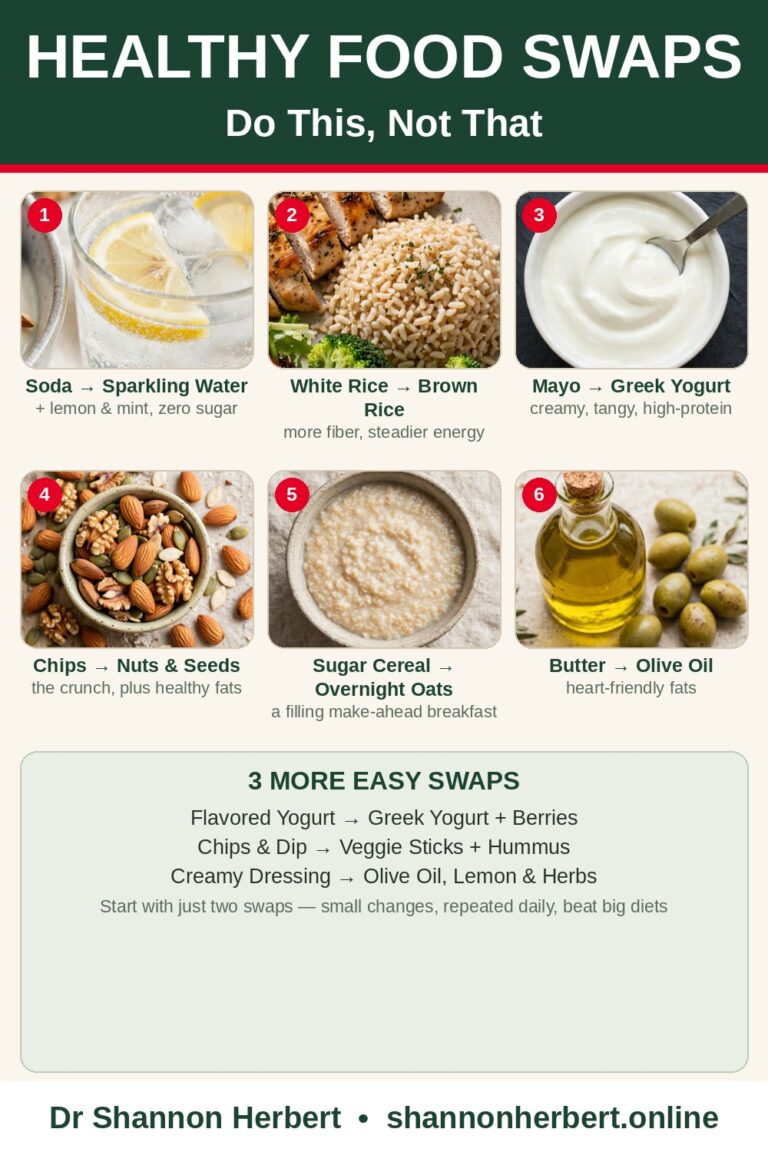
Common mistake: Drowning greens in creamy dressing. Two tablespoons of ranch-style dressing can add more calories than the entire salad underneath it. Olive oil, lemon juice, vinegar, and herbs give you the flavor without undoing the point of the plate — a swap we return to in Do This, Not That: 8 Simple Food Swaps.