7 Simple Nutrition Tips That Actually Make a Difference
4. Eat More Fiber, Slowly
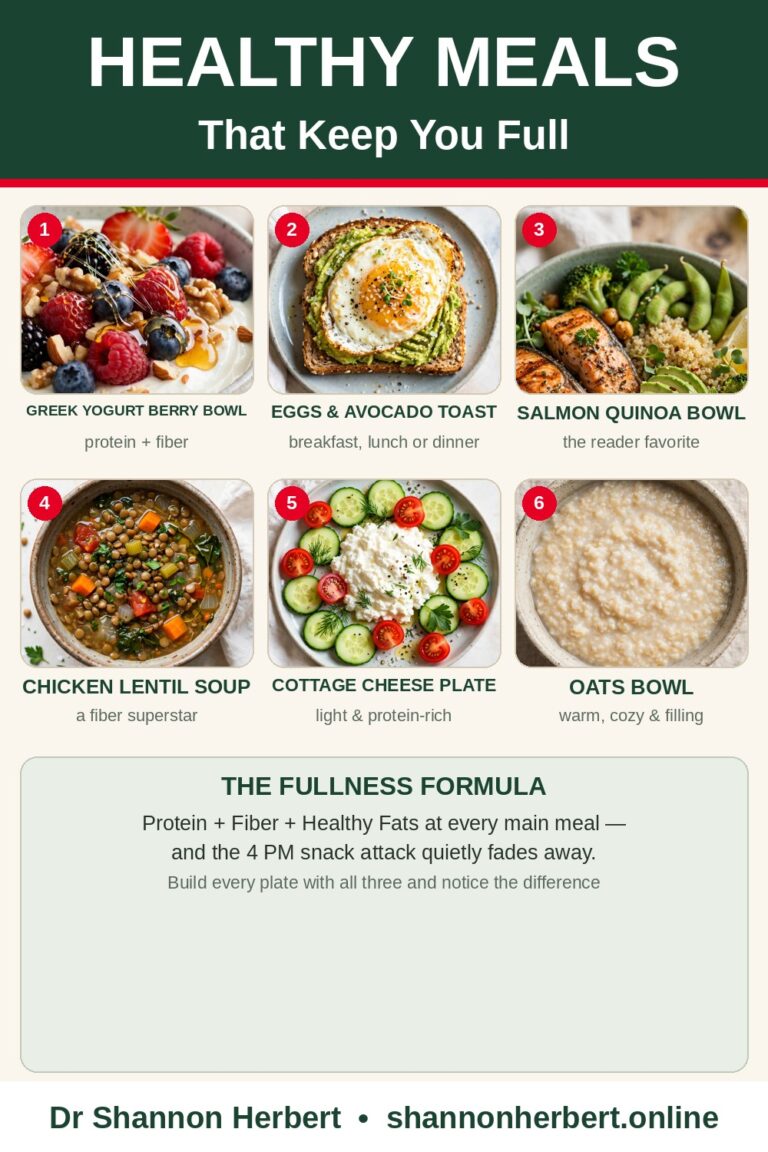
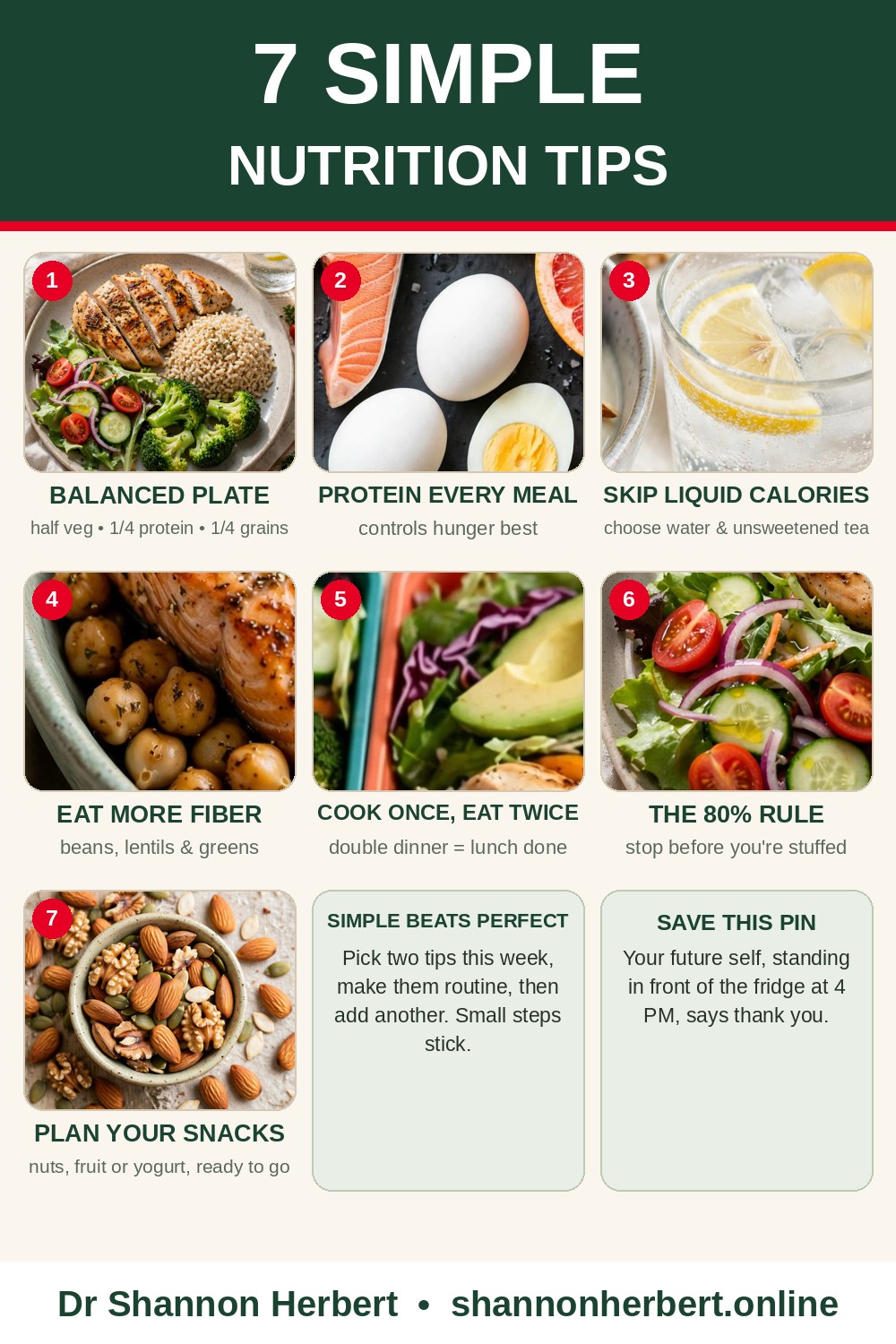
Fiber feeds your gut and keeps you full. It adds bulk that slows digestion, softens the blood-sugar rise after meals, and ferments in the colon into compounds that support gut health and appetite regulation. Most adults eat roughly half the fiber they should — the commonly recommended range is about 25 grams a day for women and 38 for men, and typical intakes sit near 15. Closing even half of that gap changes how meals feel.
The word “slowly” in this tip is load-bearing. Add it gradually — beans, lentils, vegetables, oats, fruit — and drink water alongside, so your digestion stays comfortable. A person who jumps from 15 to 40 grams of fiber in two days will be bloated, gassy, and convinced that fiber is a scam. A person who adds about 5 grams a week barely notices anything except feeling fuller.
Easy fiber upgrades, roughly in order of effort:
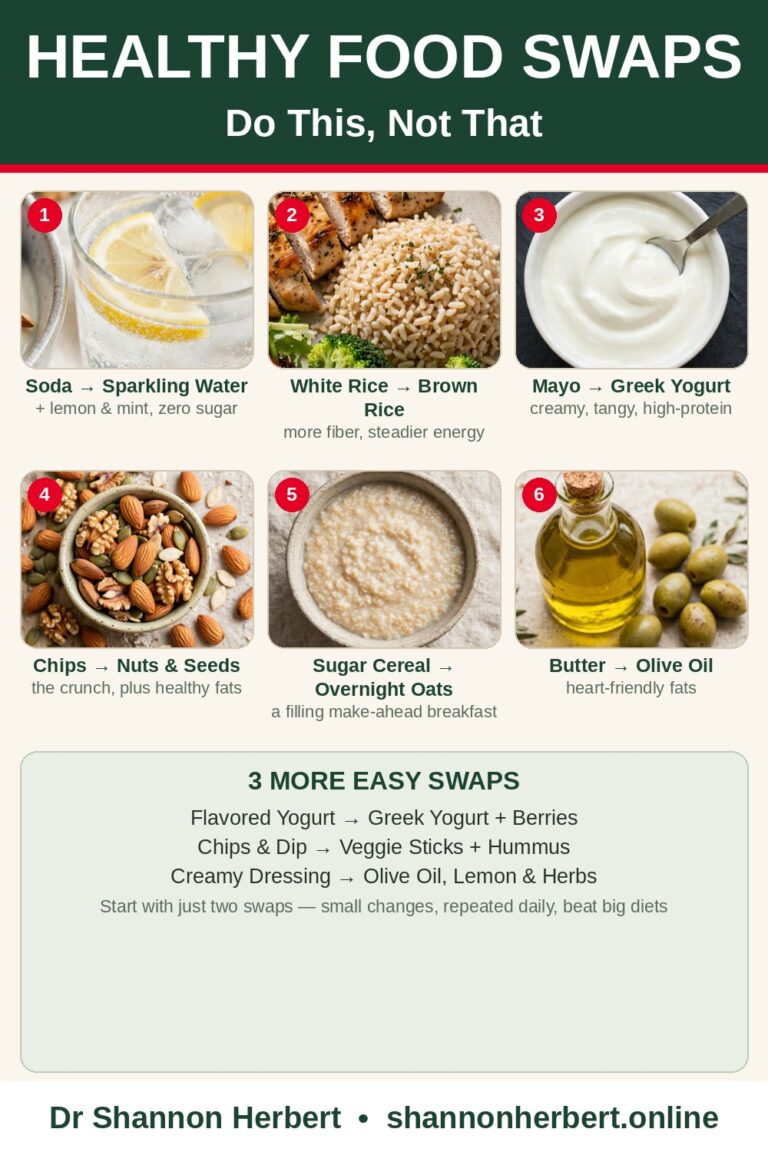
- Swap white rice and bread for brown and whole-grain versions (a few extra grams a day, zero new habits)
- Add one bean or lentil meal a week, then two — a cup of lentils alone carries about 15 grams
- Eat fruit instead of drinking it, and keep edible skins on: apples, pears, potatoes
- Stir oats, seeds, or bran into yogurt and smoothies
- Make vegetables the default side instead of an occasional event
Common mistake: Relying on fiber-fortified snack bars as the main source. Many are candy bars with fiber powder and a virtuous label. Whole foods bring water, micronutrients, and chewing along with the fiber — all of which contribute to the effect.
A note on comfort: Some increase in gut activity is normal while you adjust. Persistent pain, or digestive symptoms that do not settle, deserve a conversation with a doctor rather than more fiber.
Reading labels for fiber: When you do buy packaged foods, fiber is one of the few label numbers worth your attention. As a rough filter, look for at least 3 grams of fiber per serving in breads and cereals, and be suspicious when a product shouts about fiber on the front while the label shows 1 gram. Better still, compare two similar products and simply choose the higher-fiber one — repeated across dozens of small choices, that habit alone can close much of the fiber gap without a single new recipe.
5. Cook Once, Eat Twice
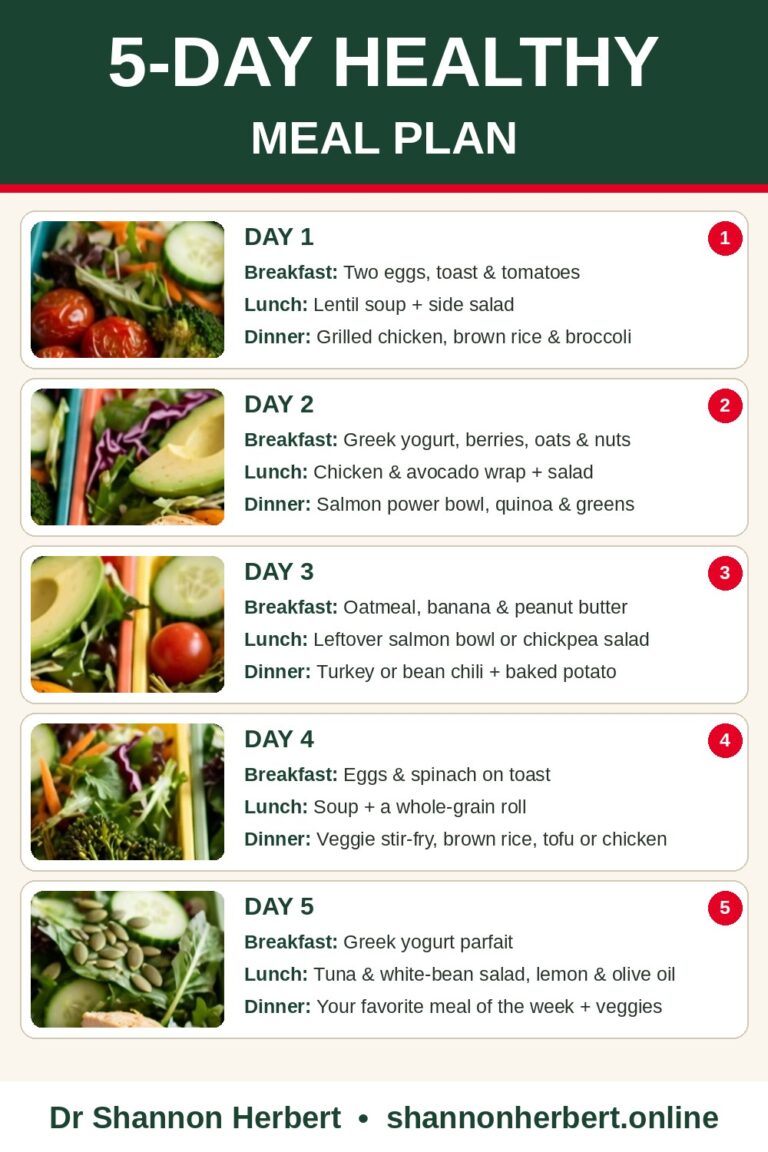
Double dinner and lunch is done. This one habit powers our whole Simple 5-Day Healthy Meal Plan — and it may be the most practical tip on this page, because the strongest predictor of what you eat tomorrow is what is already cooked in your fridge.
The logic is simple: cooking has a fixed cost in time and effort, and doubling a recipe barely raises it. Ten extra minutes at dinner buys you a complete, home-quality lunch tomorrow — the exact meal that would otherwise become a vending machine, a drive-through, or a skipped lunch followed by a ravenous evening. Leftovers are not a compromise. Properly planned, they are the system.
How to start: Choose two dinners a week that scale well — soups, chilis, curries, grain bowls, roasted chicken with vegetables, pasta bakes — and cook double by default. Portion tomorrow’s lunch into its container before you sit down to eat, not after; leftovers that survive the meal intact are leftovers that were never really planned.
Common mistakes: Cooking double of foods that reheat badly (anything meant to be crisp), and storing leftovers in a big anonymous container that becomes a science project. Single-portion containers, labeled with the day, turn “there’s something in the fridge” into “lunch is ready.” Most cooked meals keep 3–4 days refrigerated; freeze anything beyond that.
Make it easier: Keep a short list — your household’s proven double-cookers — on the fridge door. Deciding what to double should take ten seconds, not a recipe search.
What reheats well (and what does not): Soups, stews, chilis, curries, braised meats, grain bowls, roasted vegetables, and pasta in sauce all reheat beautifully — several genuinely improve overnight. Fried and breaded foods, delicate fish, dressed salads, and anything meant to be crisp do not; eat those fresh and double something else. When you freeze doubled portions, cool them quickly, use containers with a little headspace, and label with the dish and date. Most home-cooked meals freeze well for 2–3 months, which means your freezer quietly becomes a backup plan for the weeks when cooking twice is not going to happen at all.
One more small practice makes doubling work in real households: say what the second portion is for when you cook it. “Tomorrow’s lunch” gets eaten as tomorrow’s lunch. An unnamed extra portion gets picked at, forgotten, or absorbed into tonight’s seconds. The plan-protecting move is physical, not mental — container first, then dinner.