20 Natural Remedies You Can Make at Home (With Pantry Ingredients)
For Digestion and Everyday Comfort
After a heavy meal, on a restless evening, or at the end of a long day in the sun, the remedies in this group are the quiet workers of the pantry. Most are simple teas and drinks built around seeds, leaves, and spices that home cooks have used after meals for centuries. Keep portions modest and treat these as gentle support alongside balanced everyday eating, not as a fix for ongoing digestive trouble.
8. Fennel seed tea — a traditional after-meal drink for bloating. Lightly crush 1 teaspoon of fennel seeds with the back of a spoon, pour a cup of just-boiled water over them, cover, and steep for 10 minutes before straining. Crushing matters, because it releases the seeds’ sweet, anise-like oils. Sip the tea slowly after lunch or dinner, when your stomach feels full, tight, or gassy. The flavor is mild and naturally sweet, so it rarely needs honey. If you are pregnant or take regular medication, check with your doctor before making strong herbal teas a daily habit.
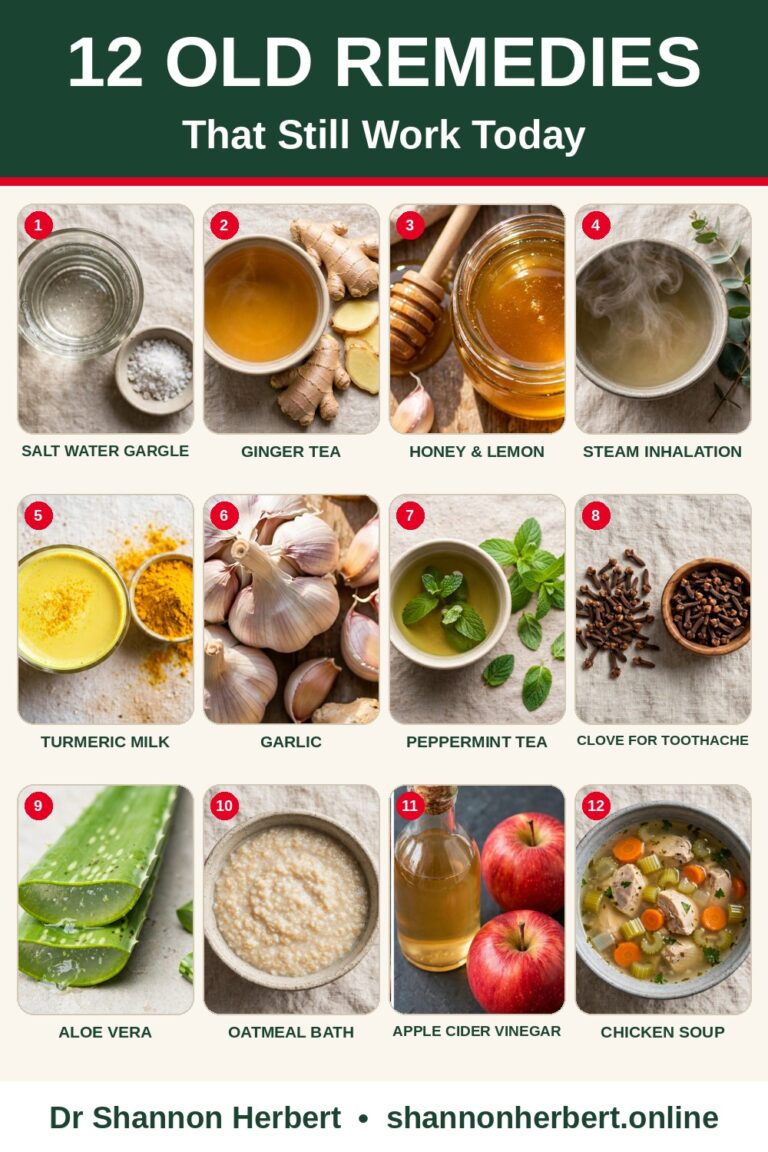
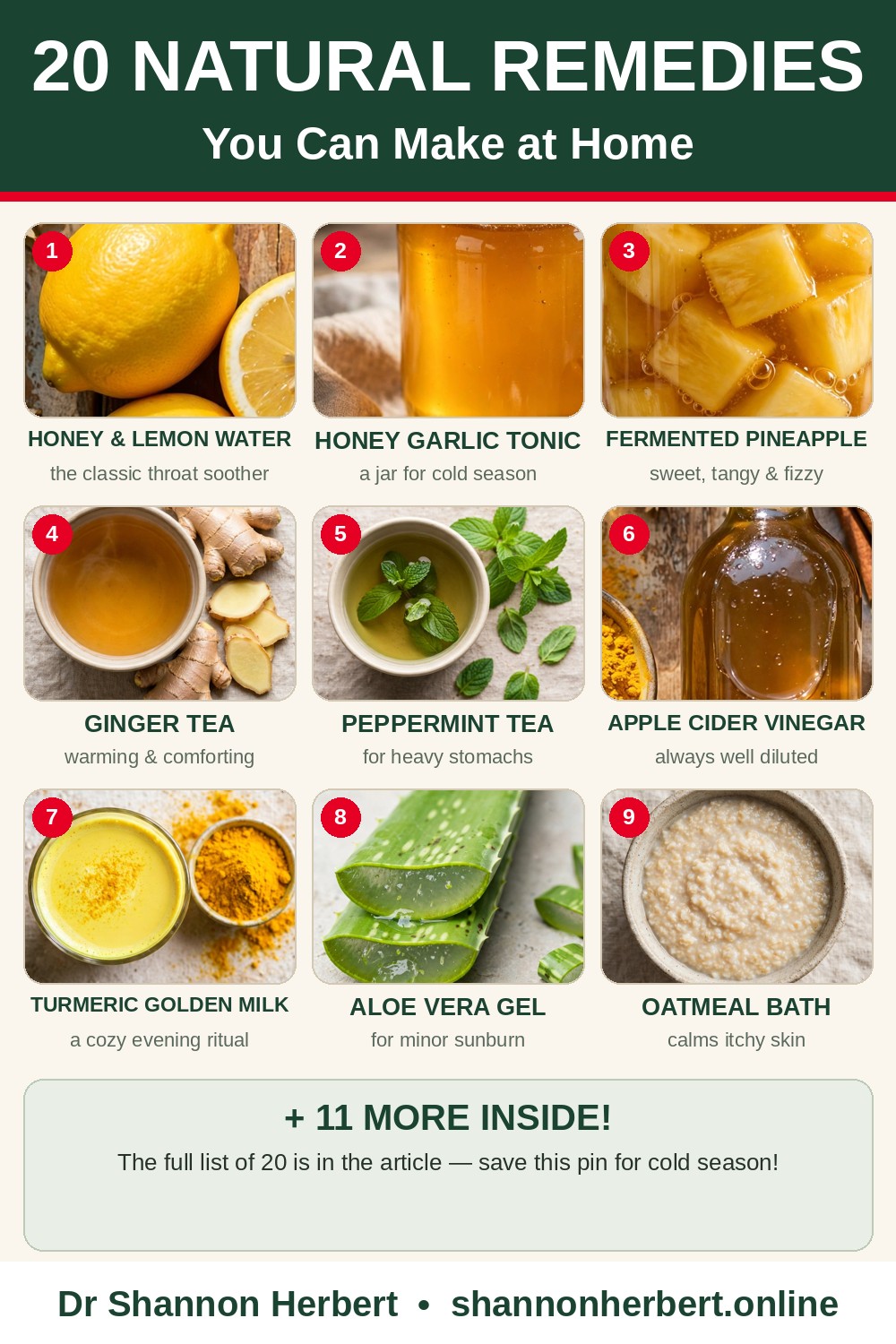
9. Peppermint tea — for heavy, uncomfortable stomachs. Pour hot water over 1 peppermint tea bag or a small handful of fresh leaves, cover the cup so the fragrant oils do not escape with the steam, and steep for 5 to 10 minutes. The menthol in peppermint gives the tea its cool, settling character, and a warm cup after a rich meal is a long-standing folk habit. Some people find peppermint makes heartburn feel worse, even while it settles other discomfort — if that is you, choose fennel or chamomile instead. Lighter meals help too, which is why many readers start with our guide to healthy meals that keep you full without leaving you uncomfortably stuffed.
10. Apple cider vinegar drink — 1 teaspoon in a full glass of water before a meal; always diluted, and skip it if it irritates your stomach. That dilution rule is not optional: apple cider vinegar is acidic enough to bother tooth enamel and burn a sensitive throat when taken straight, so never drink it undiluted and never increase the amount hoping for a stronger effect. If you have reflux, a history of stomach ulcers, or you take diabetes or diuretic medication, ask your doctor before using it at all. Sensible plates of food do far more than any single drink — see our healthy food swaps for ideas that actually stick.
11. Chamomile tea — gentle and calming in the evening. Steep 1 chamomile tea bag or a tablespoon of dried flowers in hot water for about 5 minutes, covered, then strain and sip it warm. Chamomile has a soft, apple-like flavor and a reputation as a bedtime drink that stretches back centuries. A teaspoon of honey is fine for adults and older children, but honey is never for babies under 12 months. Because chamomile is related to ragweed, people with ragweed allergies should try a small amount first and stop if it causes itching or sneezing. If you take blood-thinning or sedative medication, mention a daily chamomile habit to your doctor.
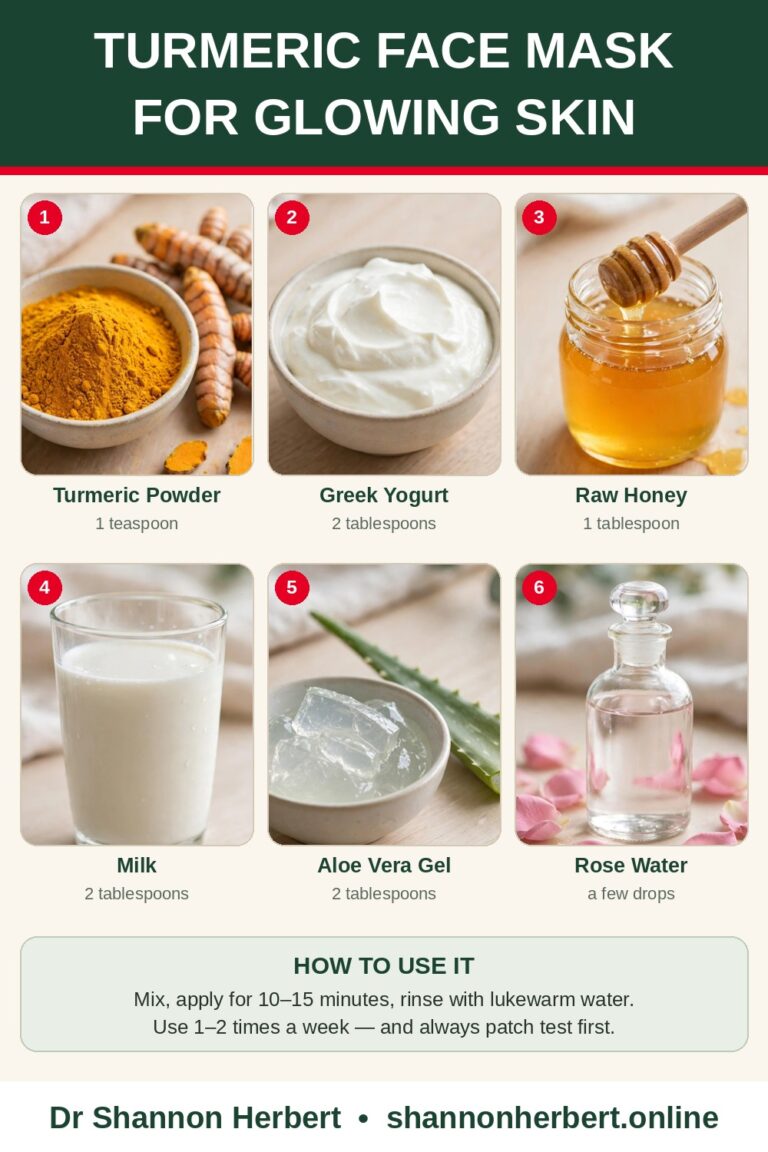
12. Turmeric golden milk — a cozy anti-inflammatory-style ritual. Warm 1 cup of milk or a plant-based alternative in a small pan, then whisk in half a teaspoon of ground turmeric, a pinch of black pepper, a pinch of cinnamon, and honey to taste once the pan is off the heat. The black pepper is traditional, not decorative — it helps the body make use of turmeric’s best-known compound, curcumin. Turmeric stains counters, clothes, and pale mugs, so stir carefully and rinse the pan promptly. Start small if turmeric is new to you, because rich, spiced milk does not suit every stomach before bed. People who are pregnant or take blood thinners should check with a doctor before drinking it often.
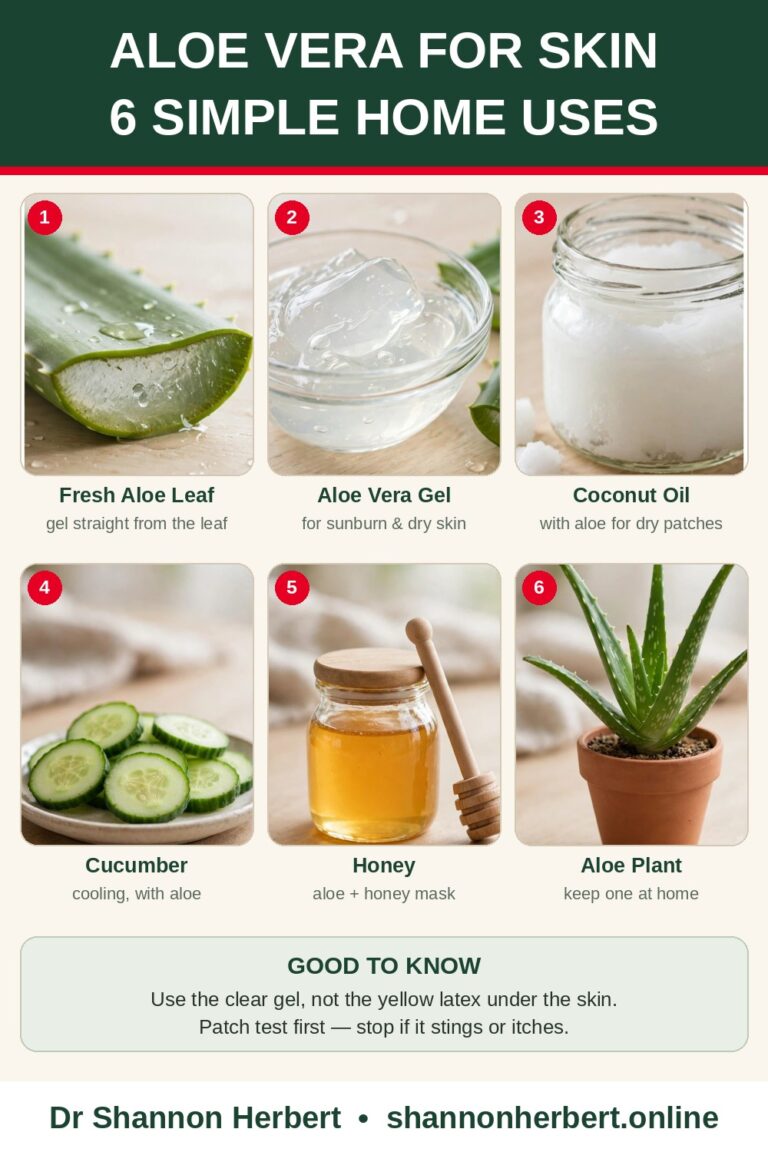
13. Aloe vera gel (skin use) — for minor sunburn and dry patches. Cut a thick leaf from an aloe plant, rinse it, slice it open, and scoop out the clear gel, or use a plain store-bought gel with as little added fragrance as possible. Smooth a thin layer over clean, cooled skin and let it dry before dressing. The gel feels instantly cool and helps sun-warmed or dry skin feel less tight while it recovers. This is a skin remedy, not a drink — do not eat gel from a leaf unless it is a food-grade product you have checked suits you. Sunburn that blisters badly or comes with fever, dizziness, or chills needs a doctor.
14. Oatmeal paste or bath — for itchy, irritated skin. For a bath, grind plain oats into a fine powder in a blender, stir a cup of it into a lukewarm bath, soak for 15 to 20 minutes, and pat your skin dry instead of rubbing. For a small itchy patch, mix a spoonful of oat powder with just enough water to make a paste, spread it on gently, and rinse after 10 minutes. Use plain oats only — no flavored, sweetened instant packets — and take care getting out of the tub, because oat baths make surfaces slippery. Pastes and baths ease comfort; they do not treat eczema, infections, or allergic reactions, which need proper medical care.
15. Coconut oil hair mask — an hour before washing, for dry ends. Warm 1 to 2 tablespoons of coconut oil between your palms until it melts, then work it through the mid-lengths and ends of dry hair, avoiding heavy application at the roots unless your scalp is very dry. Cover your hair with a shower cap or old towel and leave the oil on for about an hour, or overnight for very dry, thick, or curly hair. Wash it out with shampoo — many people need two gentle washes — and condition as usual. If your hair is fine, use less and keep the treatment to the ends. Stop if your scalp becomes itchy or irritated.