20 Natural Remedies You Can Make at Home (With Pantry Ingredients)

For Head, Skin, and Small Annoyances
16. Cold compress — for a throbbing head or a minor bump. Soak a clean cloth in cold water and wring it out, or wrap a bag of frozen peas in a thin towel so the cold never sits directly on your skin. Lay the compress across your forehead or over closed eyes, or hold it gently against a fresh minor bump, for 10 to 15 minutes at a time. Take breaks between applications, and never fall asleep with a frozen pack on your skin. A compress is comfort care only — a head injury with vomiting, confusion, or unusual sleepiness, or the worst headache you have ever had, needs urgent medical attention.
17. Peppermint oil temples rub (diluted) — for tension-style head discomfort. Mix 1 drop of peppermint essential oil into about a teaspoon of a plain carrier oil such as coconut or almond oil, then massage a tiny amount into your temples and the back of your neck, keeping it well away from your eyes. Never use essential oil undiluted on skin, never use it on or near young children, and be especially careful during pregnancy — when in doubt, skip the oil and choose the cold compress or a cup of peppermint tea instead. Wash your hands afterward, and stop if the skin stings or reddens rather than feeling pleasantly cool.
18. Baking soda paste — a dab for insect-bite itch. Stir a teaspoon of baking soda with just enough water to make a thick paste, dab it onto a clean mosquito or other minor insect bite, and leave it for about 10 minutes before rinsing with cool water. Use it only on unbroken skin, and only once or twice, because repeated use can dry the area out. It is a comfort measure, not a treatment. A bite that spreads, swells dramatically, develops red streaks or pus, or comes with fever or facial swelling needs a doctor promptly — and any trouble breathing is an emergency.
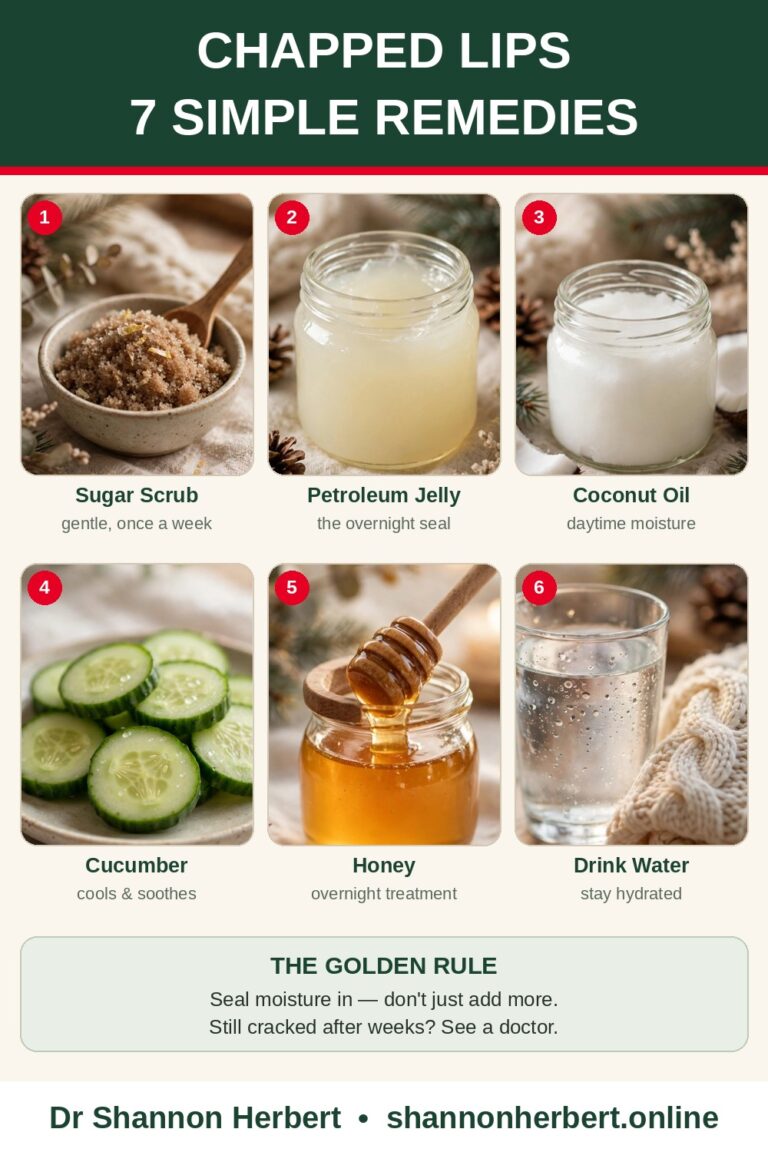
19. Cucumber slices on tired eyes — the classic five-minute refresh. Cut two thick slices from a chilled cucumber, lie back, close your eyes, and rest one slice over each eye for 5 to 10 minutes. The coolness and moisture simply feel good on puffy, screen-tired eyes, and forcing yourself to lie still for a few minutes is half the remedy. Use a fresh, washed cucumber, and do not share slices between people. This will not change dark circles caused by lack of sleep, allergies, or genetics, and it is not a treatment for eye pain, redness, discharge, or vision changes — those belong to a doctor or optometrist.
20. Clove oil dab (tiny amount) — temporary comfort for a sore tooth until the dentist. Put a single drop of clove oil on a clean cotton bud or small piece of cotton, and dab it gently against the sore tooth and the gum right beside it. Tiny amount is the key phrase: more is not better, it should not be swallowed in quantity, and it should never be used for young children. Keep the appointment even if the discomfort fades, because a dab of clove oil cannot fix a cavity, a cracked tooth, or an infection. Tooth pain with facial swelling, fever, or difficulty swallowing needs urgent care the same day.
Stock Your Remedy Pantry
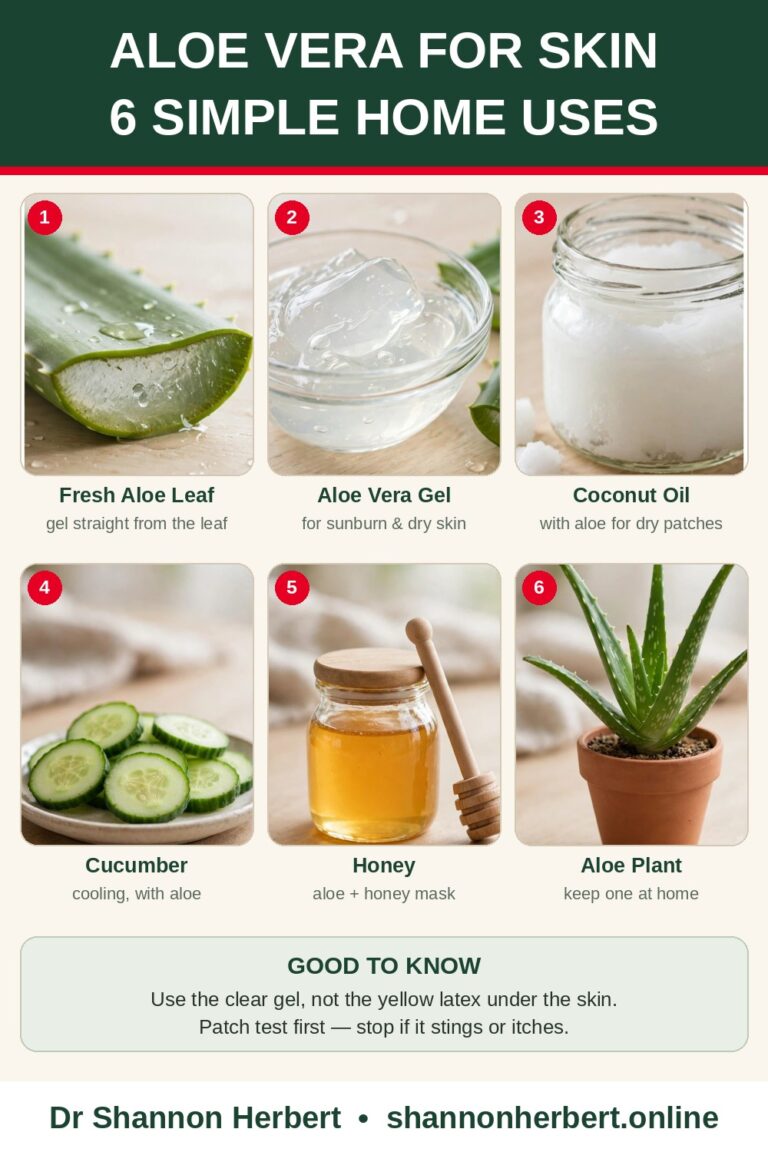
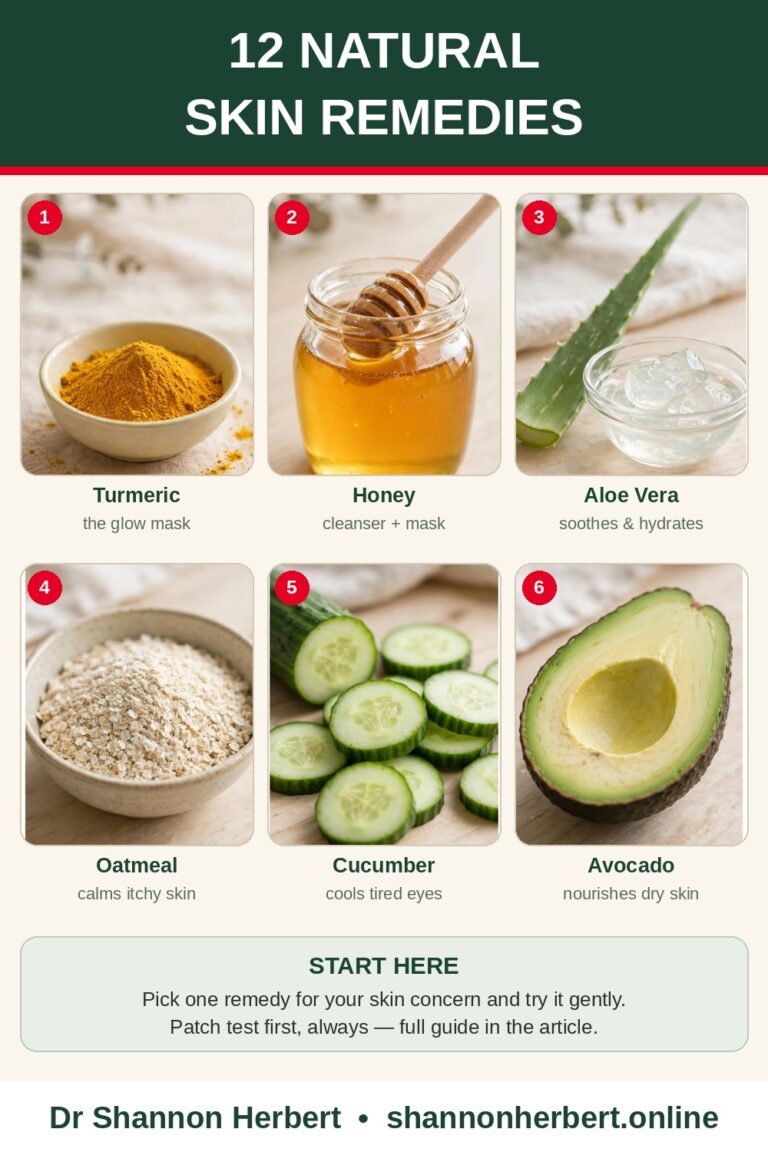
You do not need a cupboard full of specialty products to use this list. A small, tidy remedy pantry covers almost everything above: raw honey, fresh lemons, fresh ginger root, garlic, plain salt, fennel seeds, ground turmeric and cinnamon, plain oats, coconut oil, baking soda, apple cider vinegar, and dried chamomile and peppermint tea. A well-kept small pantry beats a cluttered big one — and the same staples support better daily eating too, as our simple nutrition tips show.
Frequently Asked Questions
How often can I use these remedies?
For most of the drinks and teas, once or twice a day during a short spell of discomfort is the usual pattern in home tradition. If you need the same remedy every day for weeks, that is a sign to see a doctor and find the cause.
Can I give these to children?
Some, with care — warm drinks, oatmeal baths, and a cold compress suit many children. But honey is never for babies under 12 months, essential oils need real care around children and should never be used on or near a baby’s face, and young children should not use strong herbal drinks, vinegar drinks, or clove oil. When you are unsure, ask your pediatrician first.
Can I use home remedies while I am pregnant?
Gentle food-based comforts like warm lemon water or a cold compress are one thing, but concentrated herbal teas, turmeric in large amounts, and essential oils need care during pregnancy. Check with your doctor or midwife before using them regularly.
What if a remedy makes me feel worse?
Stop using it. Skin that stings or reddens, a stomach that burns, or a throat that feels more irritated is information, not something to push through. Rinse skin remedies off with cool water, and choose the mildest option next time — or skip it entirely.
A Sensible Word Before You Start
Home remedies are for everyday, minor discomforts. They are traditions and comforts — not cures. If symptoms are severe, unusual, or lasting, a doctor beats a pantry every time. Honey is never for babies under 12 months, and essential oils need care around children and pregnancy. Apple cider vinegar should always be diluted, exactly as described in item 10, and severe, unusual, or lasting symptoms need a doctor rather than another home remedy. None of these ideas should ever replace medicine your doctor has prescribed or delay an appointment you know you need.
Want the story behind these classics? Read 12 Old Remedies That Still Work Today next — and remember, what you eat every day matters just as much: start with our Diet & Nutrition guides.
This article is for general information only and is not medical advice.