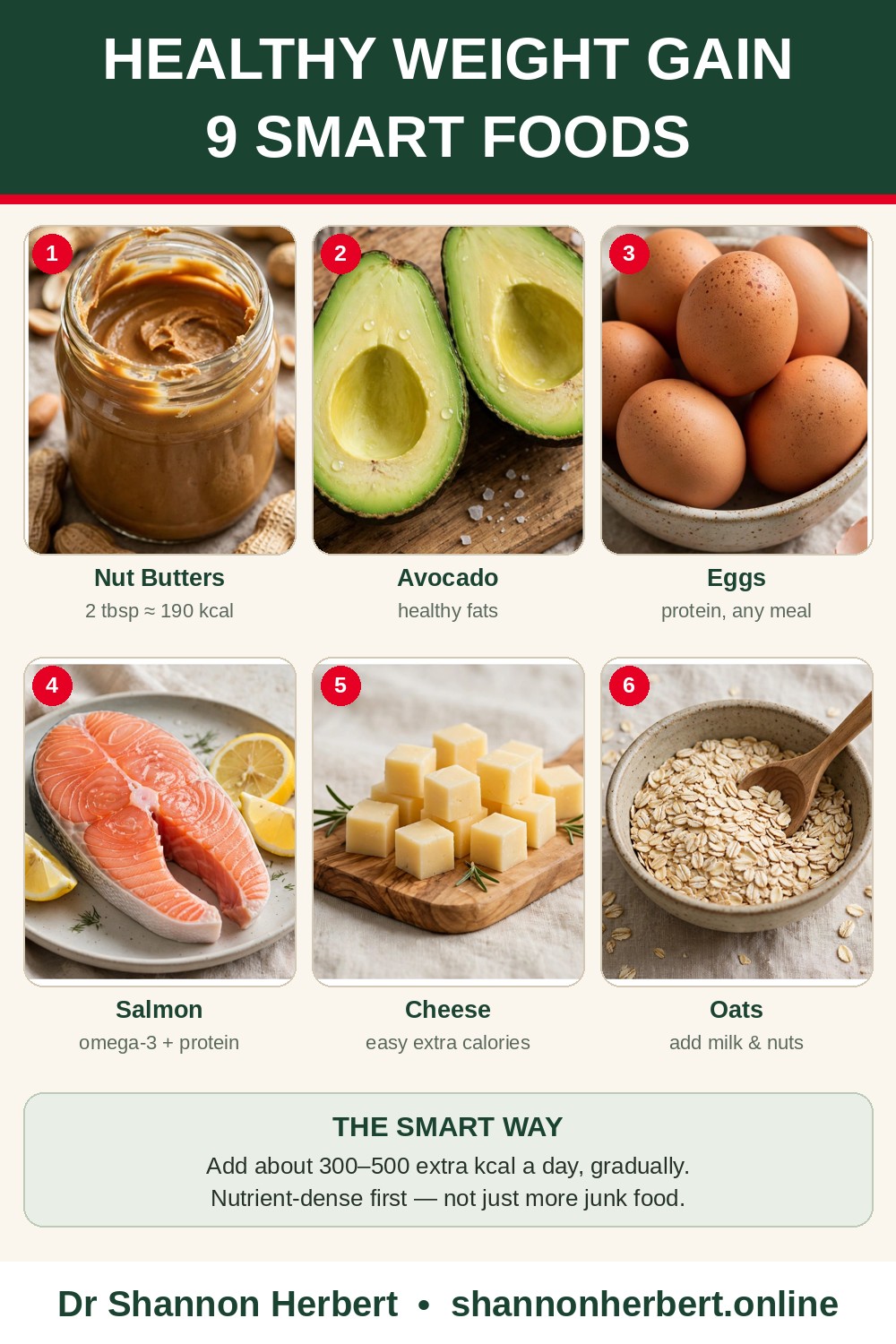
Healthy Weight Gain: 9 Calorie-Smart Foods to Add Daily
3. Cheese
Cheese is concentrated milk, so a small amount goes a long way. One ounce (about 30 g, a matchbox-sized piece) of cheddar provides roughly 115 calories and 7 grams of protein, plus calcium. Softer cheeses like mozzarella and brie are slightly lighter but still useful.
Why it helps: Cheese adds calories and flavor to foods you already eat, which matters more than it sounds — food you enjoy is food you will keep eating, and consistency is what produces results.
Easy ways to add it:
- Melt 1 to 2 slices (about 40 g) over eggs, vegetables, potatoes, or pasta.
- Add 1/4 cup of grated cheese to soups, rice, and casseroles just before serving.
- Keep cheese and whole-grain crackers as a desk or evening snack — about 200 calories for a modest portion.
- Stir cream cheese (2 tablespoons, about 100 calories) into mashed potatoes or scrambled eggs.
4. Eggs
Eggs are affordable, widely available, and one of the most complete protein foods we have. One large egg gives you about 70 to 80 calories and 6 grams of protein, plus vitamin B12, vitamin D, and choline.
Why it helps: Eggs are easy to add to meals you already make, they cook in minutes, and their protein supports muscle building alongside strength exercise. Ideas from our guide to high-protein breakfasts work just as well for gainers — simply use whole eggs generously and cook them in butter or oil.
Easy ways to add it:
- Add 1 to 2 extra eggs to breakfast — scrambled, boiled, or as an omelette with cheese and vegetables.
- Stir a beaten egg into hot soup or fried rice at the end of cooking.
- Keep hard-boiled eggs in the fridge for grab-and-go snacks with a pinch of salt.
- Make egg-fried bread or French toast on weekends, cooked in 1 tablespoon of butter.
5. Oats
Oats look humble, but they are a wonderfully flexible base for calorie-building. One cup of cooked oatmeal made from 1/2 cup (40 g) of dry oats has about 150 calories before toppings — and the toppings are where the magic happens.
Why it helps: Oats are gentle on the stomach, rich in soluble fiber that supports digestion, and they absorb milk, nut butter, and honey beautifully, turning a light breakfast into a substantial one without a huge volume.
Easy ways to add it:
- Cook oats in whole milk instead of water to add about 100 extra calories.
- Stir in 1 tablespoon of peanut butter and 1 tablespoon of honey for a bowl nearing 450 calories.
- Make overnight oats with full-fat yogurt, oats, chia seeds, and dried fruit, and eat it as a snack.
- Blend 1/4 cup of oats into smoothies for extra body and energy.
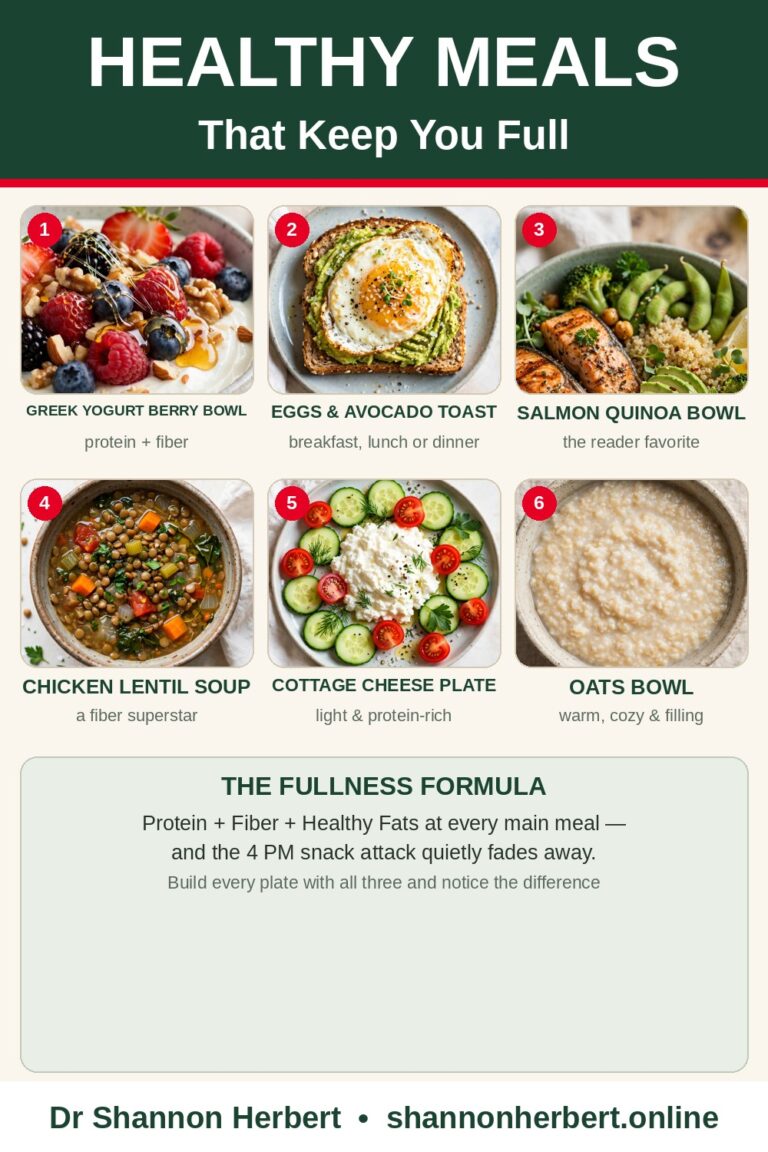
Oats also feature in our article on healthy meals that keep you full — staying comfortably full between meals helps you eat regularly without grazing all day.
6. Avocado
Half a medium avocado provides around 120 to 160 calories of creamy, satisfying healthy fats, along with fiber, potassium, and folate. A whole avocado can reach 250 to 320 calories depending on size.
Why it helps: Avocado adds richness and energy to savory meals without heaviness, and its mild flavor pairs with almost anything. It is also a kind way to add calories for people who find very sweet or very fatty foods unappealing.
Easy ways to add it:
- Mash half an avocado on toast with a fried egg on top.
- Add half an avocado to salads, sandwiches, wraps, and grain bowls.
- Blend a whole avocado into a smoothie — you will taste the creaminess, not the avocado.
- Make a quick guacamole with lime and salt and eat 1/2 cup with tortilla chips or vegetable sticks.
7. Olive Oil (and Other Healthy Oils)
This is the single easiest calorie addition on the list. One tablespoon of olive oil contains about 120 calories — and it takes up almost no room in your stomach. Used thoughtfully across the day, oils alone can create most of your surplus.
Why it helps: Oils enrich food you are already eating. Extra virgin olive oil also brings monounsaturated fats and antioxidants, and it makes vegetables and grains taste better, which encourages second helpings.
Easy ways to add it:
- Drizzle 1 tablespoon over pasta, rice, soup, or roasted vegetables just before serving.
- Toss salads with 1 to 2 tablespoons of olive oil plus lemon or vinegar.
- Cook eggs, fish, and vegetables in oil rather than grilling everything dry.
- Dip bread in olive oil with a pinch of salt as a starter — about 150 calories before the meal even begins.
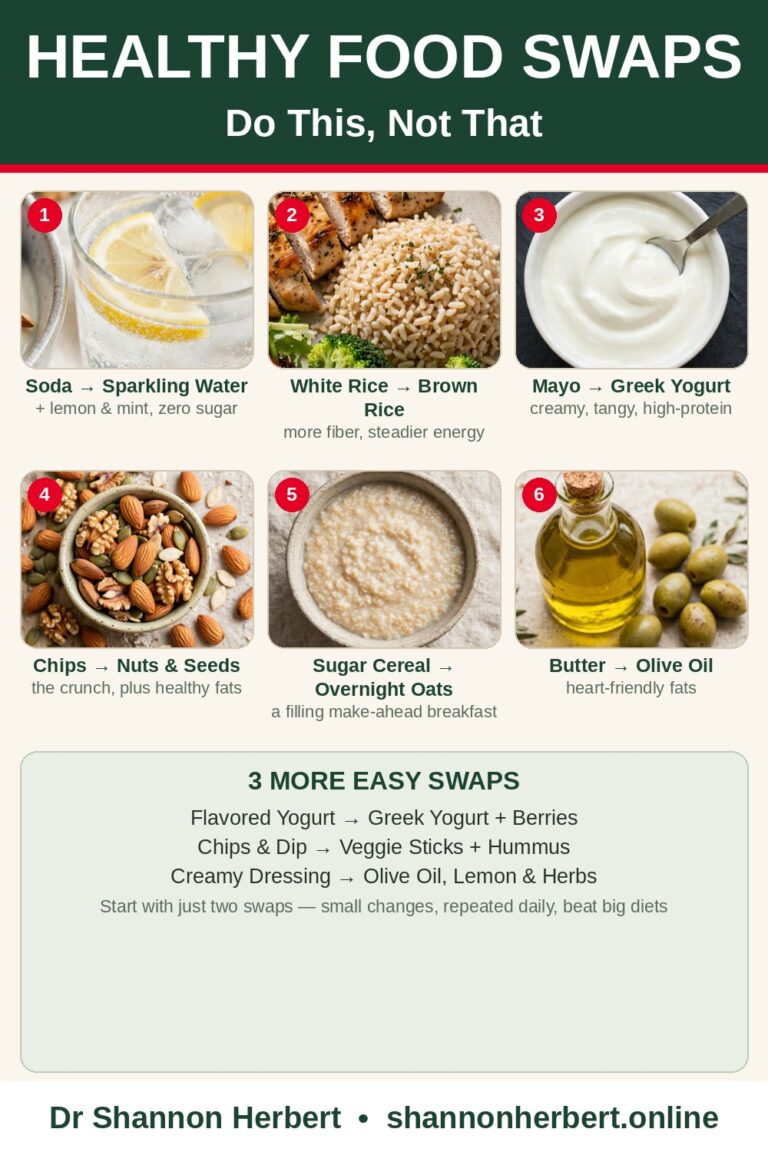
Coconut oil, avocado oil, and even good old butter all work the same way calorie-wise; rotate them for flavor. Small healthy food swaps like cooking in oil instead of using sprays add up quietly over a week.