12 Old Remedies That Still Work Today
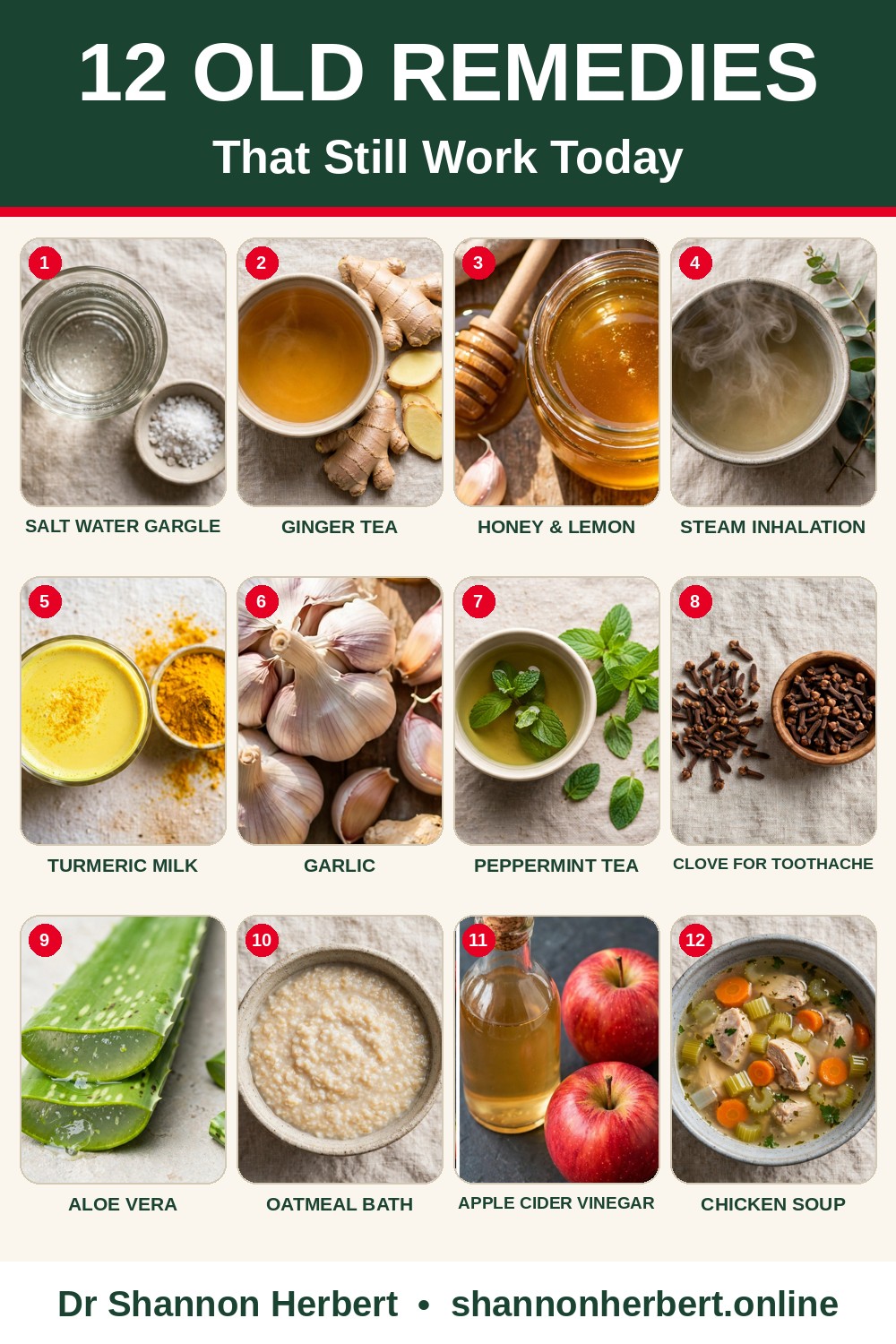
9. Turmeric Milk Before Bed
Warm milk with turmeric and a pinch of black pepper — “golden milk” — is a centuries-old evening ritual for winding down.
How to do it: Warm 1 cup of milk — dairy or unsweetened plant milk — until steaming, not boiling. Whisk in 1/2 teaspoon of ground turmeric, a tiny pinch of black pepper, and cinnamon or ginger to taste. Sweeten lightly with honey if you like, and drink slowly an hour before bed.
Why people believe it helps: Turmeric has a long traditional history in South Asian cooking and home practice, and the pepper pairing is traditional too. For many people, the real benefit is the ritual: a warm drink, screens off, and a clear signal that the day is ending.
Practical tips: Turmeric stains, so use an old mug and take care with light clothing. Start with less if the earthy flavor is new to you. Never give a honey-sweetened version to babies under 12 months old.
Caution: Golden milk is a cozy drink, not a treatment for pain, inflammation, or sleep disorders. Large supplemental amounts of turmeric can interact with some medicines, including blood thinners, so check with your doctor if that applies.
10. Aloe Vera for Minor Sunburn
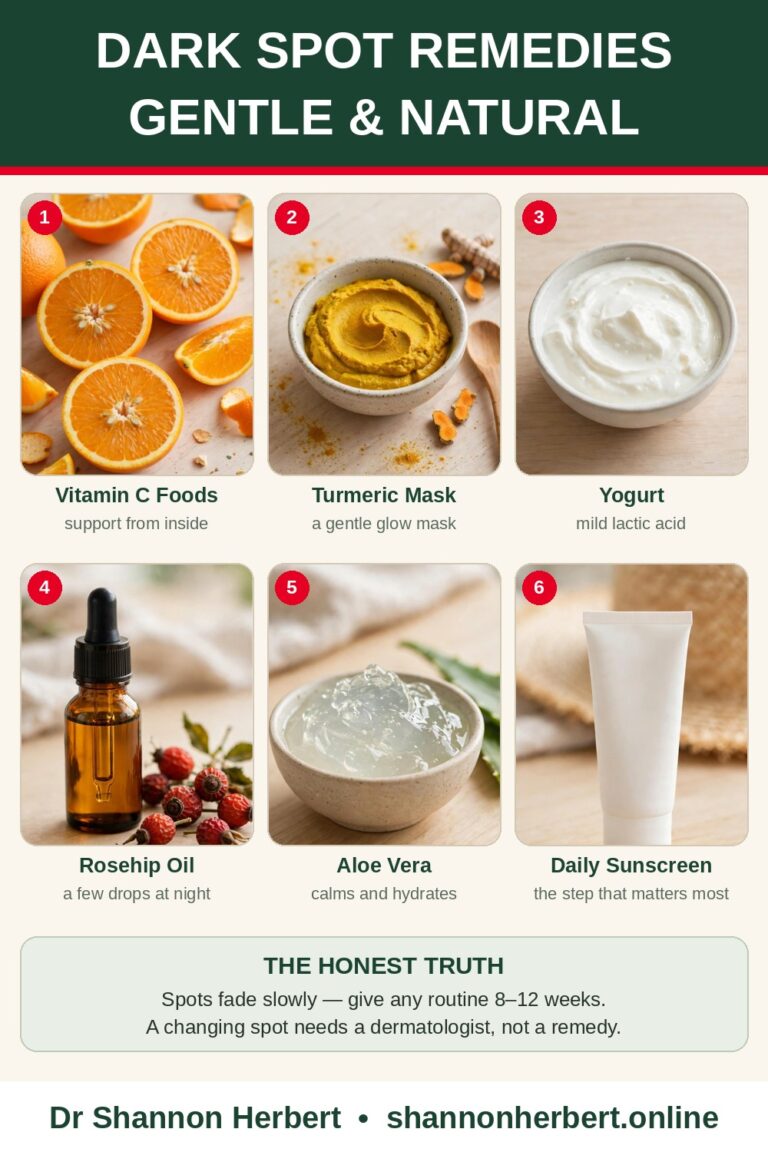
The cool gel from an aloe leaf is the classic first response to too much sun.
How to do it: Cut a thick outer leaf, slice it open, and scoop out the clear gel — or use a plain store-bought gel with aloe as the main ingredient and little added fragrance. Smooth a thin layer gently over clean, cool, sun-reddened skin, and reapply a few times a day.
Why people believe it helps: Aloe gel is mostly water, feels instantly cool, and helps keep tender skin moist while it settles. That cooling, moisturizing effect is why it became the traditional first step after too much sun.
Practical tips: Keep a leaf or bottle in the fridge for extra cooling comfort. Cover the area with loose clothing when you go back outside, and drink plenty of water.
Caution: Aloe is for minor sunburn only. Blistering, swelling, severe pain, fever, or dizziness needs medical care, and babies with sunburn should be checked promptly. Prevention still beats any remedy: shade, clothing, and sunscreen matter more than gel afterward.
11. Clove for Tooth Discomfort
A whole clove held near a sore tooth is an old temporary trick while you wait for the dentist — temporary is the key word.
How to do it: Place 1 whole, clean clove gently between the sore tooth and your cheek, or bite down on it very lightly if comfortable. Leave it briefly — the area may feel warm and slightly numb — then remove it and rinse with plain water. If you use clove oil, use only a tiny amount on a cotton bud, on the tooth, not the gum.
Why people believe it helps: Cloves contain eugenol, a compound with a long history of use in dentistry for its numbing feel, which is why this trick can take the edge off discomfort briefly.
Practical tip: Think of this only as a bridge to an appointment — call the dentist first, then use the clove while you wait. Keep clove oil away from children, and never swallow it.
Caution: This remedy must stay clearly temporary-until-the-dentist. Tooth pain usually means decay, a crack, or infection, and none of those heal on their own. Swelling of the face or jaw, fever, or difficulty swallowing needs urgent dental or medical care the same day.
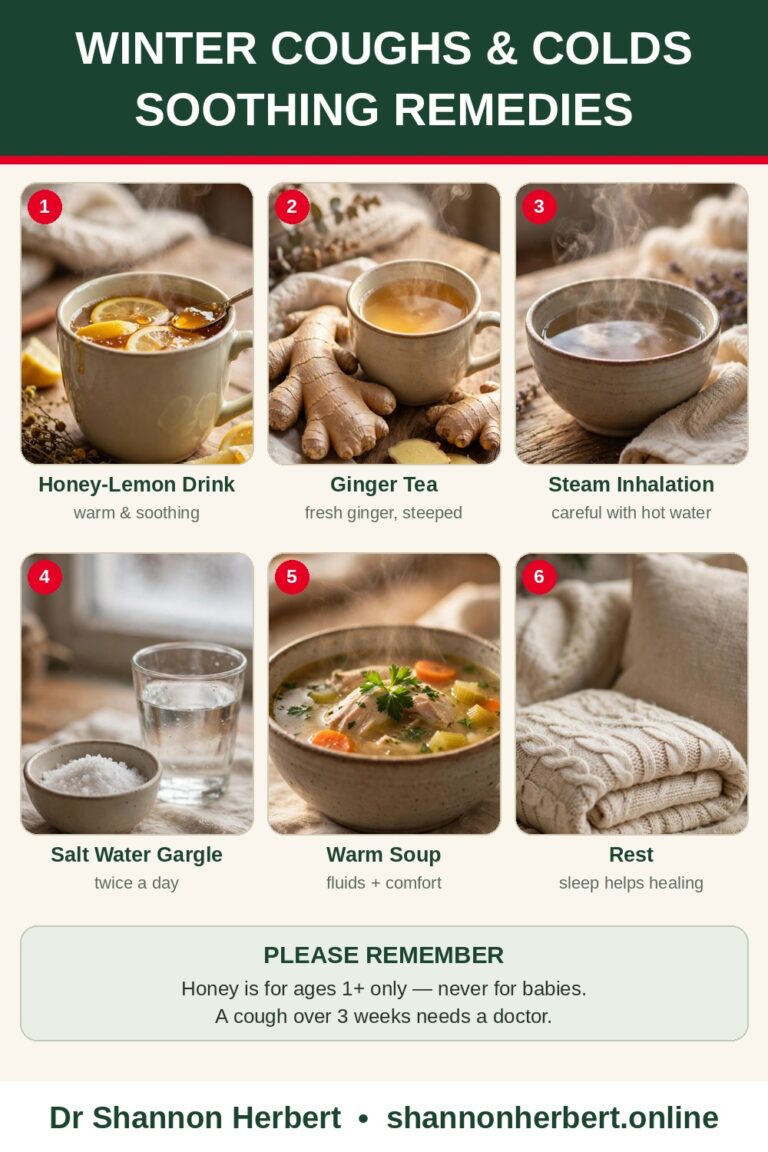
12. Rest, Fluids, and Soup
The oldest remedy of all: warm fluids, real rest, and a bowl of something nourishing. It pairs beautifully with the comfort foods in our Diet & Nutrition section.
How to do it:
- Rest for real. Cancel what you can, sleep when you are tired, and let work wait.
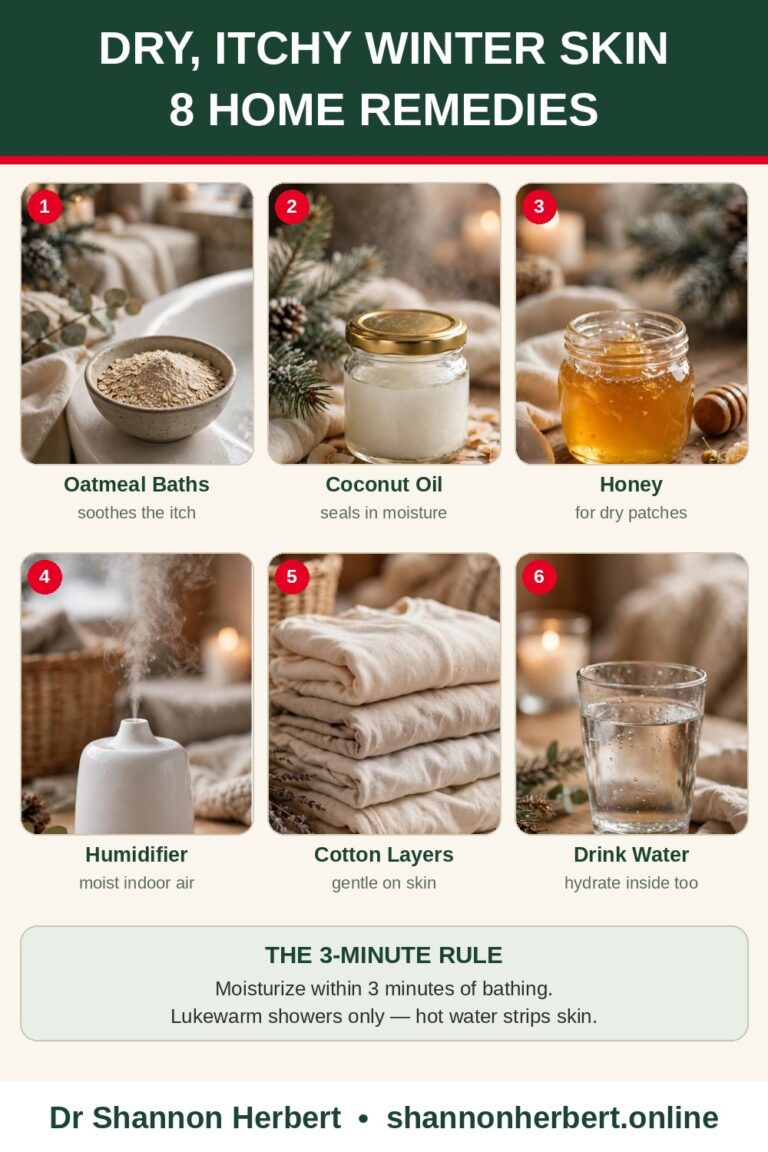
- Sip fluids steadily through the day — water, warm broth, or herbal tea — rather than forcing large amounts at once.
- Eat simply when you are hungry. Vegetable, chicken, or lentil soup gives you fluid, salt, warmth, and nourishment in one bowl.
Why people believe it helps: When you are unwell, your body is already doing the hard work of recovery. Rest stops you spending energy you need elsewhere, fluids replace what fever and poor appetite take away, and warm food is easier to face than a heavy meal.
Practical tips: Everyday eating habits support recovery, too. Balanced, filling meals on ordinary days — like the ideas in Healthy Meals That Keep You Full and the guidance in Simple Nutrition Tips — help you start from a stronger place.
Caution: Rest and soup are support, not treatment. If you cannot keep fluids down, become dehydrated, or feel worse instead of gradually better over a few days, see a doctor.
When Old Remedies Are Not Enough
Old remedies earn respect when they are used wisely: for everyday discomforts, alongside — never instead of — real medical care when something is serious. Get help promptly if you notice:
- Difficulty breathing, chest pain, or lips that look blue or pale
- A high or persistent fever, or any fever in a baby
- Severe pain, swelling, confusion, fainting, or weakness
- Signs of dehydration, or vomiting that will not stop
- A rash that spreads quickly, blisters, or looks infected
- Any symptom that is severe, unusual, getting worse, or lasting more than a few days
Frequently Asked Questions
Are old remedies proven to work?
Some have modest support for comfort, many rest mainly on tradition and personal experience, and few have been tested the way medicines are. Treat them as comforts for minor problems, not proven treatments.
Can I use several remedies at once?
Often, yes — rest, fluids, a salt water gargle, and honey in a warm drink can sit together comfortably. Avoid doubling up on strong ingredients or essential oils, and check interactions if you take medication.
Are natural remedies safe for children?
Not automatically. Honey is never for babies under 12 months old, essential oils need great care around young children, and steam bowls are a scald risk. When in doubt, ask a pediatrician.
When should I stop a remedy and see a doctor?
If it is not helping within a reasonable time, if symptoms get worse, or if any red flag above appears, get real medical care.
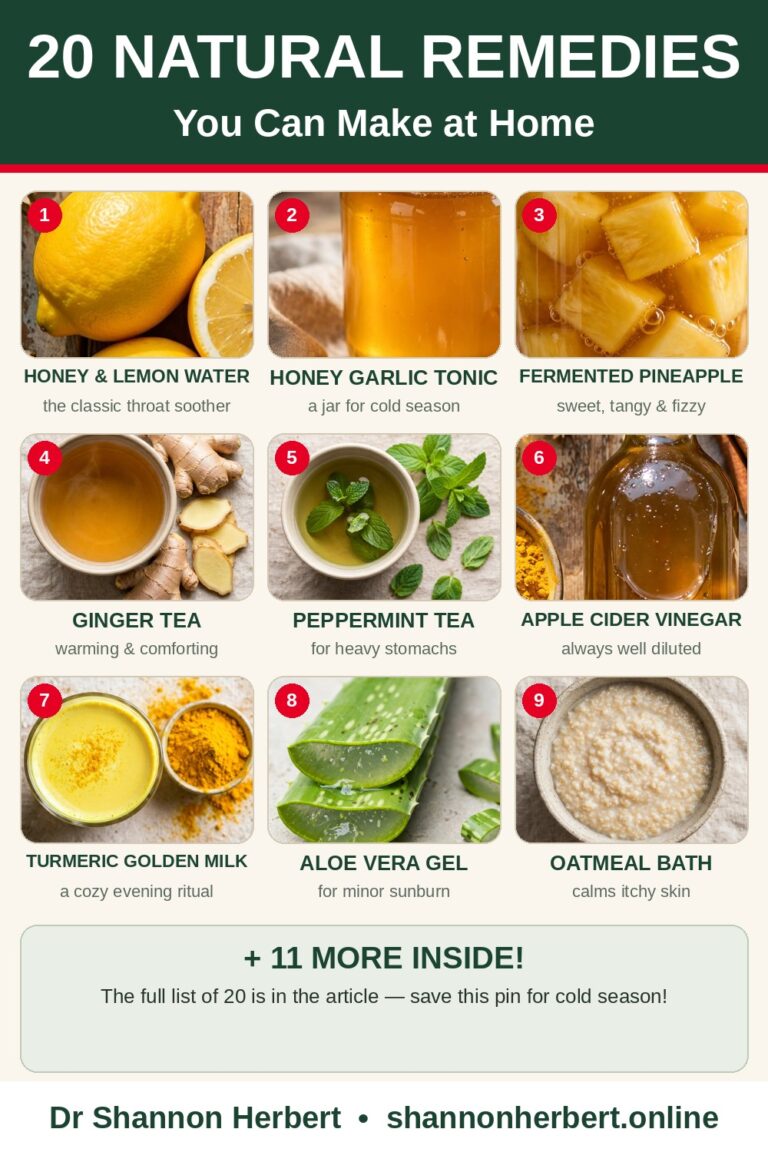
For even more ideas, open our list of 20 Natural Remedies You Can Make at Home.
This article is for general information only and is not medical advice.