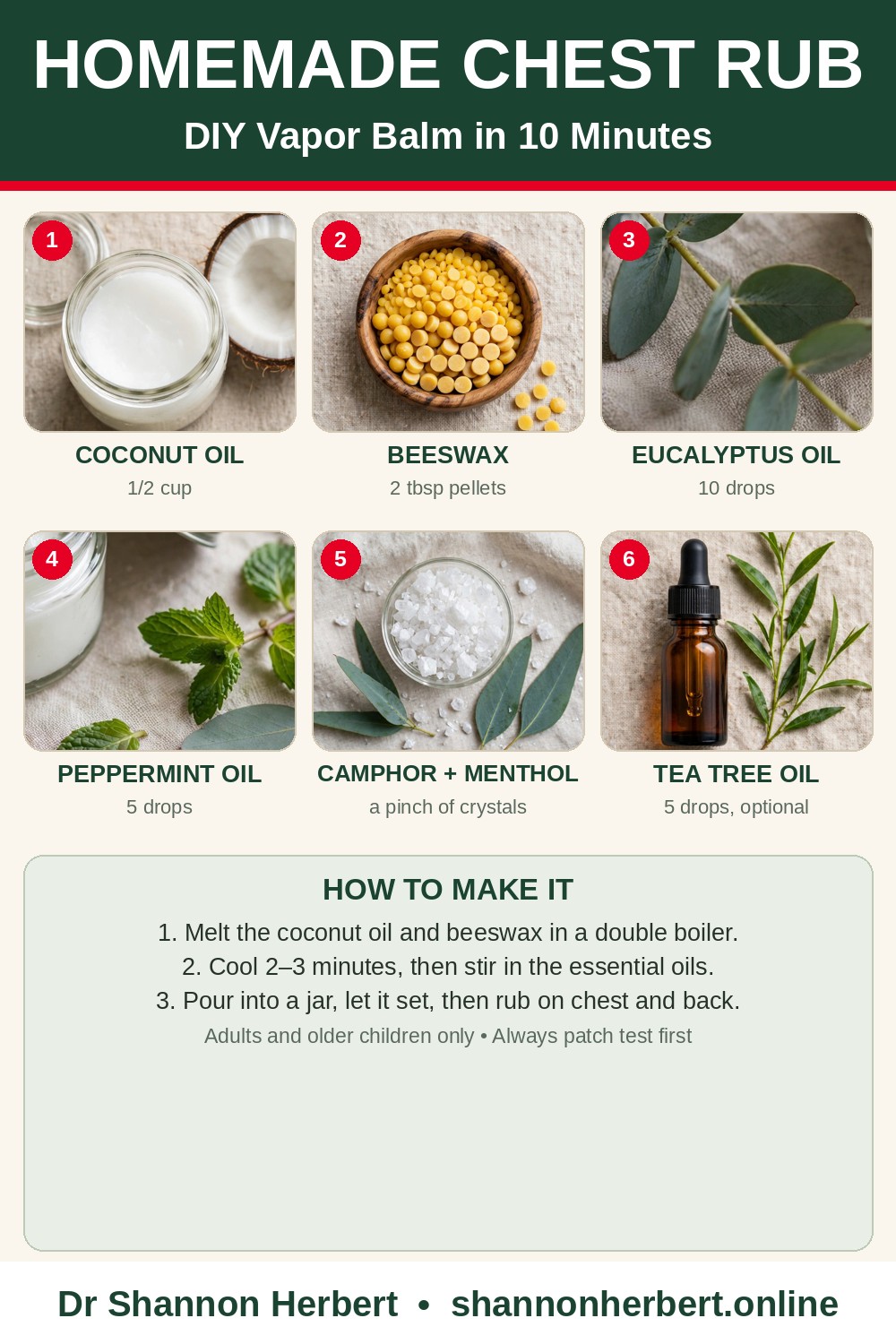
Homemade Chest Rub: An Easy DIY Balm With Coconut Oil and Eucalyptus
Troubleshooting Common Problems
Too soft or liquid. The climate is usually the cause — coconut oil melts at warm room temperatures. Melt the rub gently, stir in an extra 1–2 teaspoons of melted beeswax, cool briefly, pour, and set in the coolest spot in your home.
Too hard to scoop. You likely used too much beeswax, or your home is cold. Warm the closed jar briefly in warm, not hot, water, or remelt with an extra tablespoon of coconut oil.
Grainy texture. Graininess comes from the base cooling too slowly or unevenly, letting natural fats form crystals. It is harmless but less pleasant. Remelt fully until clear, stir well, then set undisturbed in a cooler, draft-free place.
Scent too strong. If the vapor makes your eyes water, you applied too much or added too many drops. Remove the excess, wash with soap and water, and let fresh air help. For the next batch, cut the drops by a third. Never “fix” a strong batch by applying it to a child — remake it weaker, or discard it.
Scent too weak. The oils were probably added while the base was too hot, or the jar is old. Remelt gently, cool properly — warm, not hot — and stir in 3–5 extra drops total.
Skin irritation. Stop using the rub. Wash with mild soap and lukewarm water and leave the skin alone. If irritation is severe, spreads, or does not improve, seek medical advice.
Common Mistakes to Avoid
- Adding essential oils to very hot oil. You lose scent and waste your best ingredients. Always cool the base first.
- Skipping the patch test. Even natural ingredients can irritate skin. Test every new batch and blend.
- Using it on young children or near a baby’s face. This is not a matter of using less — do not do it.
- Applying it to broken, sunburned, or freshly shaved skin. It will sting and irritate. Wait until skin is intact.
- Ingesting it, or using it inside the nose. External use on the chest, back, or feet only. Never ingest it.
- Leaving the jar unlabeled or within a child’s reach. Label it and store it like the adult product it is.
- Expecting it to treat an illness. It offers comfort while you rest and must never delay medical care.
How to Do a Patch Test
Always do a small patch test first if you have sensitive skin — and testing every new batch is a good habit for everyone. Apply a tiny amount of the cooled rub to the inner forearm and leave it for 24 hours. Check for redness, itching, bumps, burning, or swelling. If your skin stays calm, the batch is likely fine to use as directed. If you react, do not use it on larger areas: wash the spot gently, and either remake the rub with fewer drops or skip essential-oil rubs altogether. A patch test is not a guarantee, but it catches most problems early.
Safety First — Please Read
- This rub is for adults and older children only. Eucalyptus and peppermint oils are not recommended for young children, and never use them on or near a baby’s face.
- Do not apply to broken skin, and never ingest it.
- Always do a small patch test first if you have sensitive skin.
- A chest rub eases comfort; it does not treat infection. Breathing difficulty always needs a doctor, urgently.
Who should avoid this rub altogether? Babies and young children; anyone with broken or irritated skin on the chest or back; anyone who has reacted before to eucalyptus, peppermint, menthol-type products, coconut, or beeswax; and anyone whose breathing is worsening. For that last group, the next step is not a different rub — it is urgent medical help.
Also keep the jar out of reach of children and pets, do not use it if you are allergic to any ingredient, and ask your doctor or pharmacist first if you are pregnant, breastfeeding, living with asthma or another breathing condition, or taking medication. Never apply it inside the nose, on the face, or near the eyes, and wash your hands after use. Seek urgent care for difficulty breathing, new or worsening wheezing, chest pain, blue lips, confusion, or a high fever that is not coming down.
Frequently Asked Questions
Can I use this chest rub during the day, or only at night?
Whenever the scent feels helpful, day or night. Most people prefer bedtime, when stuffiness feels worst, but a thin layer before an afternoon rest is fine for adults and older children if all safety rules are followed.
Can I put it in a bowl of hot water as a steam inhalation?
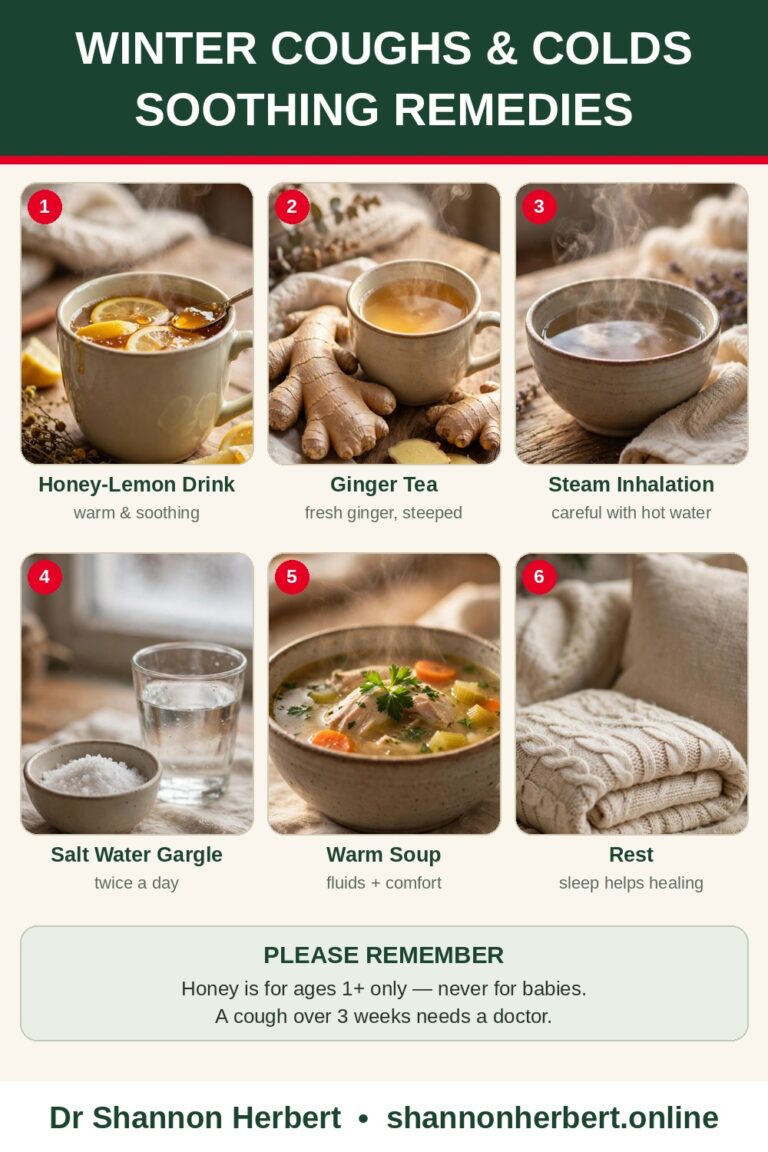
No. This is a skin balm, and its wax and oil base does not belong in an inhalation bowl. For steam, use plain hot water and a towel, carefully.
What if I do not have beeswax?
Make the soft salve: leave the beeswax out and let the coconut oil set on its own. Keep it cool, and scoop with a clean spoon.
Can I substitute olive oil for coconut oil?
You can, but olive oil stays liquid, so you will need more beeswax for a set balm, and the feel will differ. Coconut oil is recommended here because its natural firmness makes the recipe forgiving for beginners.
How much should I apply each time?
Start with a pea-sized amount for the chest, plus a second small amount for the back if you like.
Can I use it if I have sensitive skin or eczema?
Be extra cautious. Patch test first, consider fewer drops, and never apply it to broken, flaring, or irritated skin. If you have a diagnosed skin condition, ask your clinician first.
Is this a replacement for cough or cold medicine?
No. It is a comfort measure only. It does not treat infection, shorten an illness, or replace any medicine your doctor has recommended.
How long does one jar last?
A 4-ounce jar can easily last a whole season, because each application uses so little. Store it cool and dry, and remake it fresh after 6 to 12 months or if it smells off.
A Comforting Part of a Restful Night
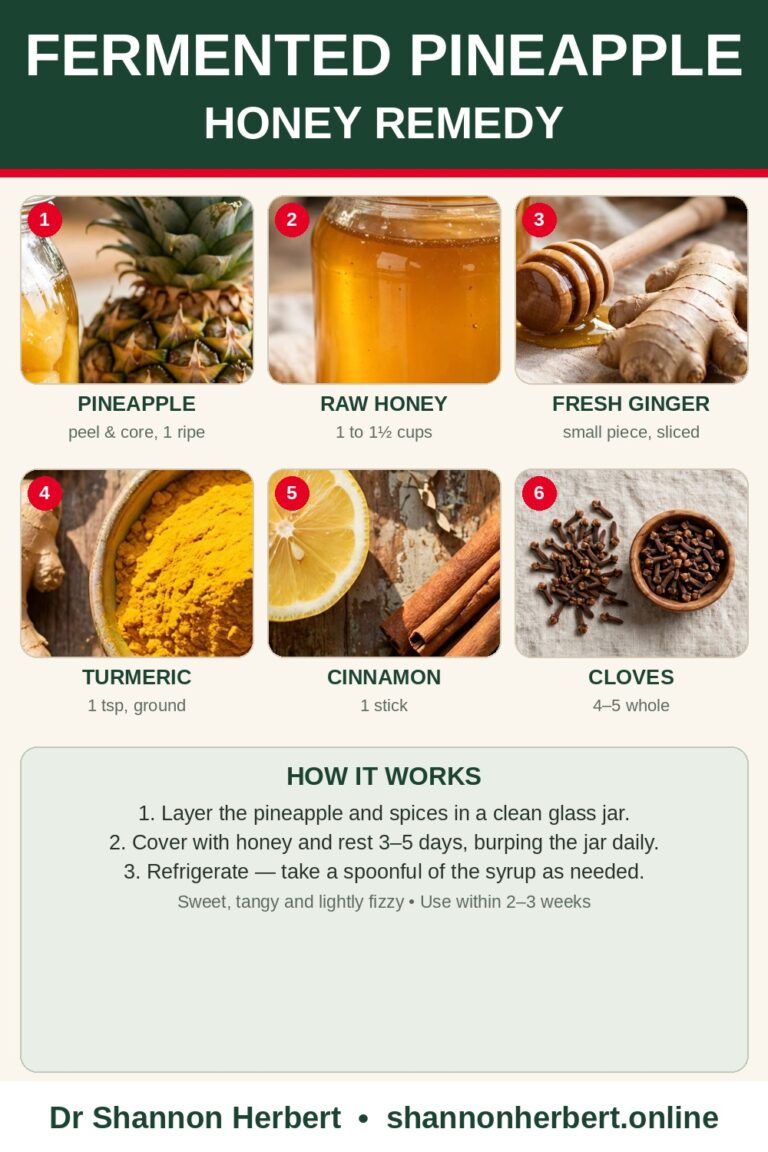
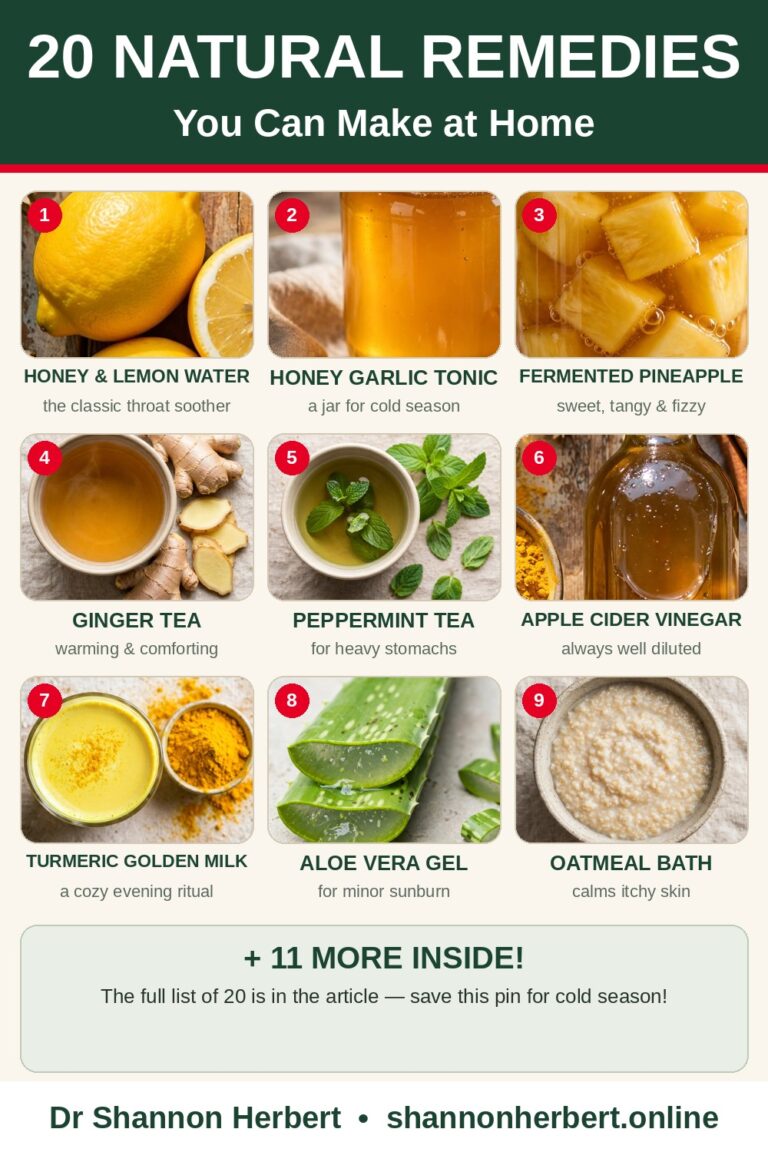
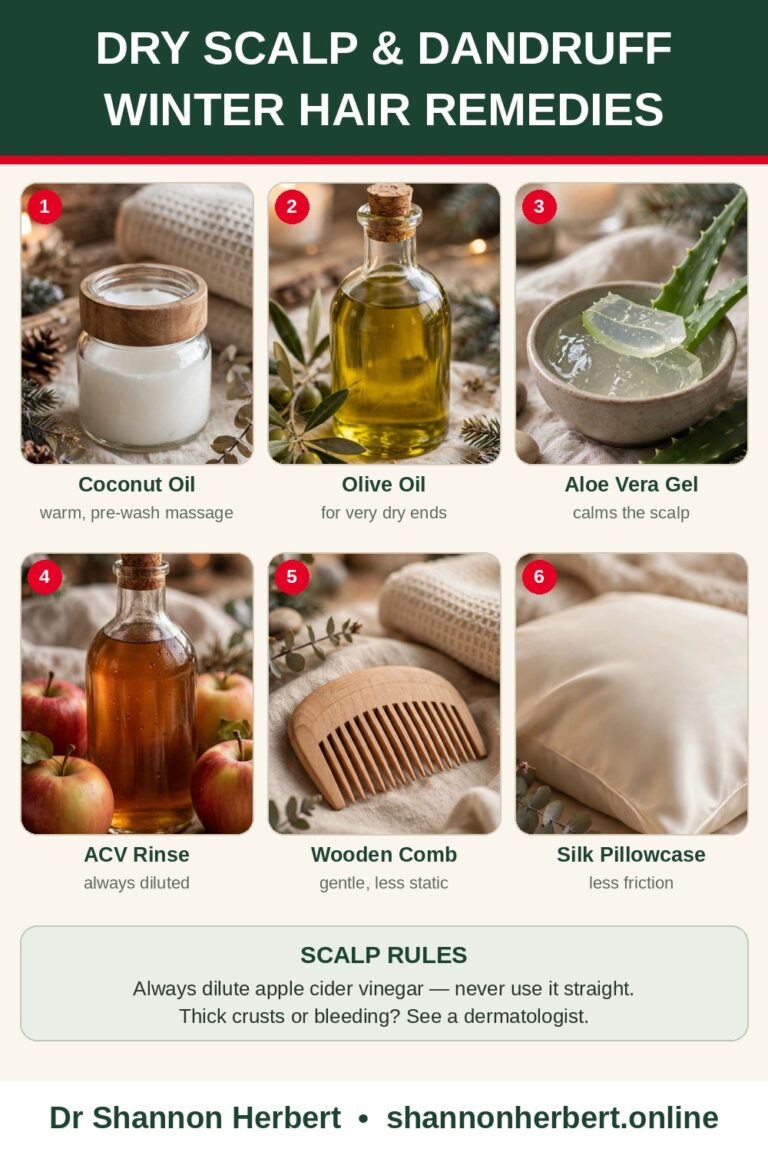
A homemade chest rub works best as part of a sensible routine: rest early, drink warm fluids, keep the bedroom air comfortable, eat nourishing food during the day, and give your body time. Pair this with a warm spoonful from our Honey and Garlic Tonic jar, and browse more reader favorites in 12 Old Remedies That Still Work Today.
Make your first batch exactly as written, label it clearly, patch test it, and use it modestly on nights when you need a little extra comfort.
This article is for general information only and is not medical advice.