Dry Scalp and Dandruff in Winter: Home Remedies That Work
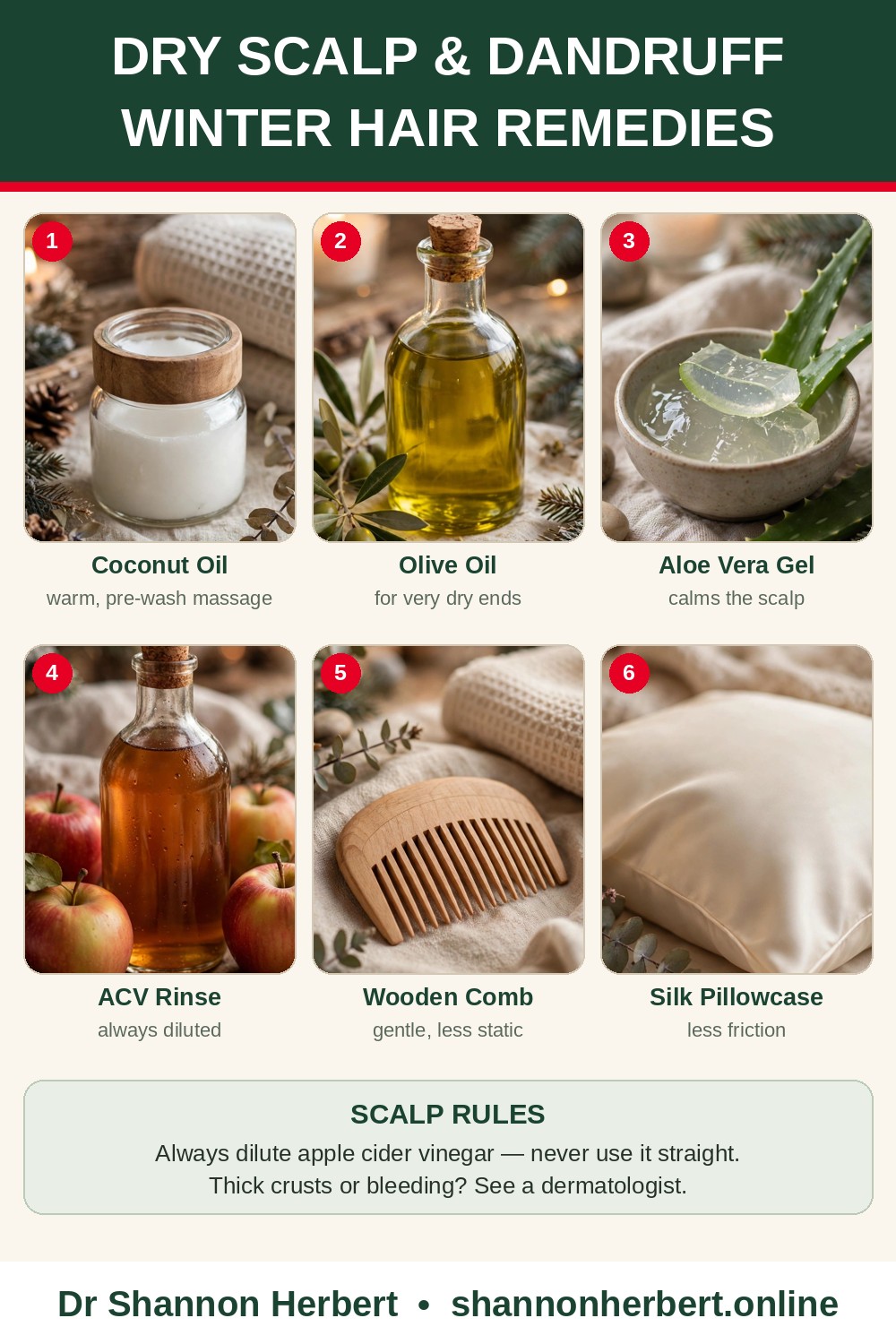
You brush your hair, glance down at your shoulders, and there they are: a dusting of white flakes on your favorite dark sweater. Winter scalp trouble is incredibly common, and it always seems to appear just when the party outfits and family photos come out. The good news is that most winter flaking responds well to simple, gentle care at home — warm oils, soothing aloe, the right washing habits, and a little patience. This article focuses on ordinary winter dryness and common dandruff; at the end you will find clear guidance on the warning signs — thick crusts, bleeding, or spreading redness — that mean it is time to see a doctor instead of treating at home.
It is worth saying out loud: flakes are nothing to be embarrassed about. Almost everyone gets a dry, itchy scalp at some point in the winter, and dandruff is one of the most common skin complaints in the world. It is not caused by poor hygiene, it is not contagious, and you cannot pass it to anyone by sharing a hairbrush. It is simply skin reacting to the season — and skin can be soothed.
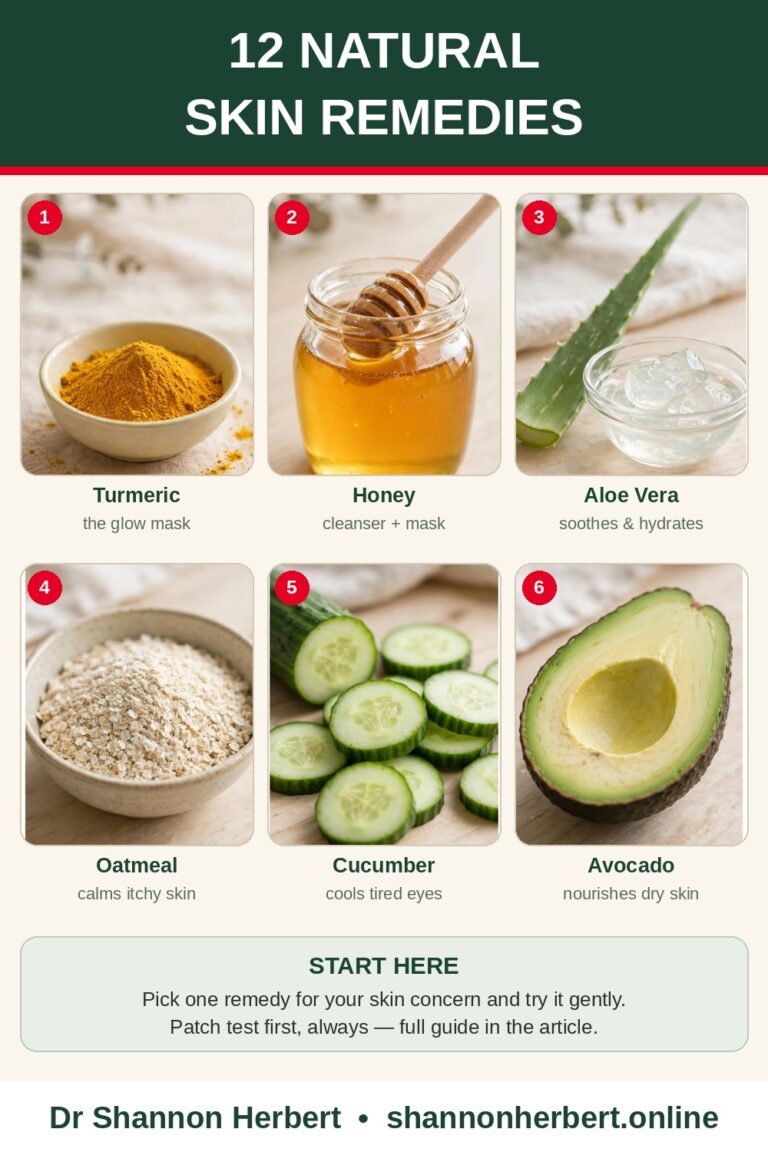
Before we reach for the remedies, it helps to know what you are actually dealing with, because “flaky scalp” covers two different problems that look similar but need slightly different handling: a simply dry scalp, and true dandruff. Many people have a bit of both in winter. This article explains the difference, then walks you through the home remedies step by step — the same kind of time-tested, kitchen-and-bathroom-cupboard care you will find in our collection of natural remedies you can make at home.
Why Winter Makes Your Scalp Dry and Flaky
Your scalp is skin, and in winter it faces the same assault as the skin on your hands and face:
- Cold air holds very little moisture, so it draws water out of your skin whenever you go outside.
- Indoor heating dries the air further. Radiators and forced-air heating can drop indoor humidity to desert levels, and your scalp dries out right along with your hands and lips.
- Hot showers feel wonderful but strip natural oils. Very hot water washes away the scalp’s protective oil layer, leaving skin tight, dry, and itchy.
- Hats and scarves keep you warm, but a covered, warm scalp under a hat all day can also create the slightly warm, oily environment that dandruff-causing yeast enjoys.
- Washing habits change. Some people wash less often in winter and let oil and flakes build up; others wash more to chase the flakes and end up drying the scalp even more. Both extremes can make things worse.
Put together, winter creates a perfect little storm: skin that is drier on the outside, oil and yeast that behave differently on the scalp itself, and everyday habits — hotter showers, heavier hats, harsher shampoos — that quietly make both problems worse. The remedies below work by undoing exactly those things: putting moisture back, calming irritation, rebalancing the scalp’s surface, and washing more kindly.
Dry Scalp or Dandruff? A Quick Way to Tell
- Dry scalp: flakes are usually small, white, and dry; your scalp feels tight and itchy rather than oily; and the rest of your skin is often dry too — dry hands, dry shins, chapped lips. Dry scalp usually improves with moisture and gentler washing.
- Dandruff: flakes are often larger, yellowish, and slightly oily or sticky; the scalp may look a little red and feel itchy; flakes cling to the hair and scalp. Dandruff is linked to an ordinary yeast (called Malassezia) that lives on everyone’s skin but irritates some scalps more than others — a mild form of a condition called seborrheic dermatitis.
Can you have both at once? Yes — and in midwinter, many people do. The edges of the scalp and the hairline often go dry and tight while the crown, where oil glands are busier, develops true dandruff. If that sounds like you, combine the approaches: gentle, regular washing, oil used sparingly and mainly on the dry edges, and the vinegar rinse on the oilier areas. A simple clue helps you decide where you stand: if a thorough wash followed by a light moisturizing treatment calms things for days, dryness is the main story. If flakes return within a day or two — oily and clinging — dandruff is playing the bigger part.
Why does the distinction matter? A dry scalp needs moisture and gentleness. Dandruff often needs regular washing and anti-fungal care, and heavy oils can sometimes make yeast-related dandruff worse. The remedies below cover both, with notes on which suits which problem.
Who gets winter flaking? Almost anyone, but a few groups notice it more. Teenagers and young adults, whose oil glands are at their busiest, are prime candidates for dandruff. People with eczema or sensitive skin tend toward the dry, tight kind of flaking. Curly and coily hair, which is often washed less frequently and is naturally drier, can suffer from both dryness and build-up at the same time. And anyone who has moved from a mild climate to a cold one often gets a shock in their first winter — scalps, like skin, need a season to adjust. Whatever your hair type, the principles in this article stay the same; only the frequency of washing and oiling changes.