12 Natural Skin Remedies You Can Make at Home
7. Coconut Oil
What it is: A rich plant oil that melts on contact with warm skin.
Suits: Dry body skin — elbows, heels, hands, and legs — and dry ends of hair.
Ingredients: 1 teaspoon virgin coconut oil, warmed between your palms.
Quick how-to: Massage a small amount into damp body skin after a shower. A little goes a long way; skin should feel comfortable, not greasy.
One caution: Coconut oil can clog pores on the face, especially for oily or acne-prone skin. Keep it for the body, and avoid it on blemish-prone areas.
8. Green Tea Toner
What it is: Strongly brewed, fully cooled green tea used as a splash or toner.
Suits: Oily and combination skin, and skin that looks shiny by midday.
Ingredients: 1 green tea bag (or 1 teaspoon loose leaves) + 1 cup hot water.
Quick how-to: Brew, let it cool completely, then apply with a cotton pad after cleansing, or store in a clean bottle in the fridge for up to three days. Follow with a light moisturizer.
One caution: Make it fresh often. Tea is a food, not a preserved cosmetic — if it smells off or looks cloudy, pour it away.
9. Yogurt Mask
What it is: Plain yogurt spread on the skin — cool, creamy, and very gentle.
Suits: Dull skin, combination skin, and skin that feels rough or uneven.
Ingredients: 2 tablespoons plain, unsweetened yogurt.
Quick how-to: Apply a smooth layer to clean skin, leave 10 to 15 minutes, rinse with lukewarm water. Yogurt’s mild natural acids give a very soft smoothing feel without any scrubbing.
One caution: Always use plain yogurt. Flavored or sweetened versions can irritate and feed breakouts.
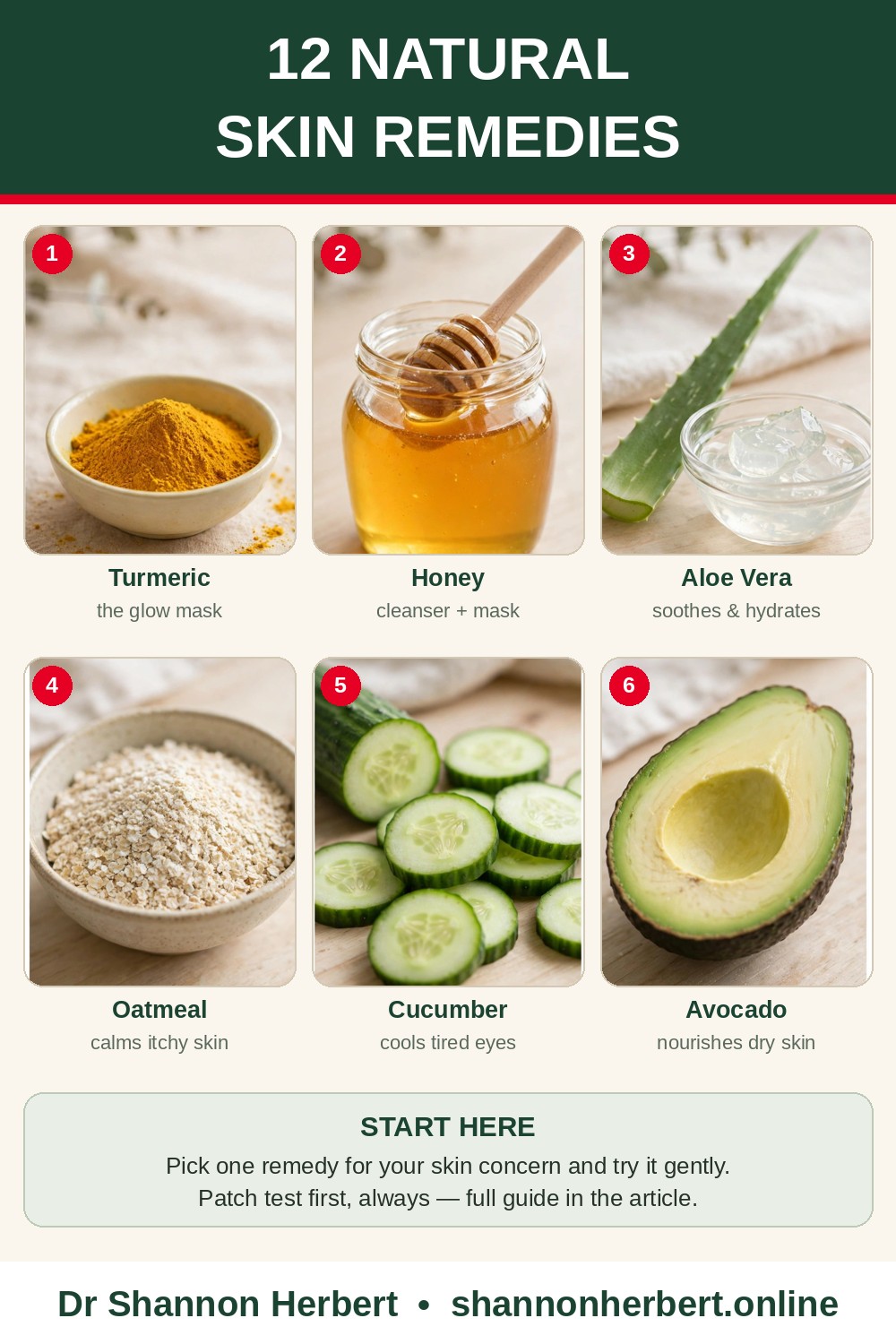
10. Avocado Mask
What it is: Ripe avocado mashed to a cream — one of the richest kitchen ingredients.
Suits: Dry and mature skin that drinks up moisture.
Ingredients: ½ a ripe avocado, mashed smooth, optionally with 1 teaspoon honey.
Quick how-to: Spread the mash over clean skin, leave 10 to 15 minutes, rinse with lukewarm water, and moisturize lightly — your skin may not want much more.
One caution: Do a patch test even with gentle foods; avocado allergy exists, and latex-sensitive people are more likely to react to avocado.
11. Rice Water Rinse
What it is: The cloudy water left after rinsing or soaking rice — a beauty staple with a long history in Asia.
Suits: Skin that looks dull or feels rough; also popular as a final rinse for hair.
Ingredients: ½ cup plain white rice + 2 cups water.
Quick how-to: Rinse the rice once, then soak it in the water for 30 minutes, swirling now and then. Strain, and use the water as a splash or cotton-pad toner after cleansing. Refrigerate and use within two to three days.
One caution: Fermented rice water recipes circulate online, but beginners should stick to fresh, refrigerated rice water — fermentation raises the risk of bacteria and irritation.
12. Shea Butter for Dry Patches
What it is: A dense, creamy butter from the shea nut, melted between the palms.
Suits: Stubborn dry patches — cracked heels, rough elbows, dry knuckles, chapped hands.
Ingredients: A pea-sized amount of raw shea butter per patch.
Quick how-to: Warm between your palms until it turns to oil, then press into the dry area. Best applied at night, ideally on slightly damp skin, with cotton socks or gloves over the top for hands and feet.
One caution: Shea butter is very rich and can feel heavy or clog-prone on the face. Keep it to body dry patches unless your facial skin is extremely dry and tolerates it well.
Pantry Notes: Getting the Most From Simple Ingredients
A few habits make every remedy in this list work better:
Fresh beats fancy. A plain, fresh ingredient from a shop you trust will outperform an expensive, old, or adulterated one every time. Check that spices smell alive, oils smell mild and clean, and dairy is well within its date.
Clean tools, clean hands. Wash your hands, use a clean bowl and spoon, and never double-dip fingers into a shared jar and then your face. Make only what you need for one session — most of these mixtures contain fresh food and do not keep.
Temperature matters. Masks feel best at room temperature or slightly cool. Never apply anything hot to your face, and let brewed teas and soaked grains cool completely before they touch skin.
Write down what you try. It sounds fussy, but a two-line note — what you used, how your skin felt the next morning — turns random experimenting into a routine you actually understand. After a month you will know your skin’s favorites without guessing.
Respect the season. Skin asks for different things in January and July. Rich butters and oils shine in winter; gels, teas, and cucumber belong to summer. Rotating through this list with the weather is not indecision — it is good listening.
Less, but regular. Two remedies used faithfully every week will do more for your skin than twelve remedies used once each in a burst of enthusiasm. Choose your favorites, keep their ingredients on hand, and let the rest wait. A small, stocked remedy shelf — honey, oats, turmeric, a bottle of rose water — covers most everyday needs without turning your bathroom into a warehouse.