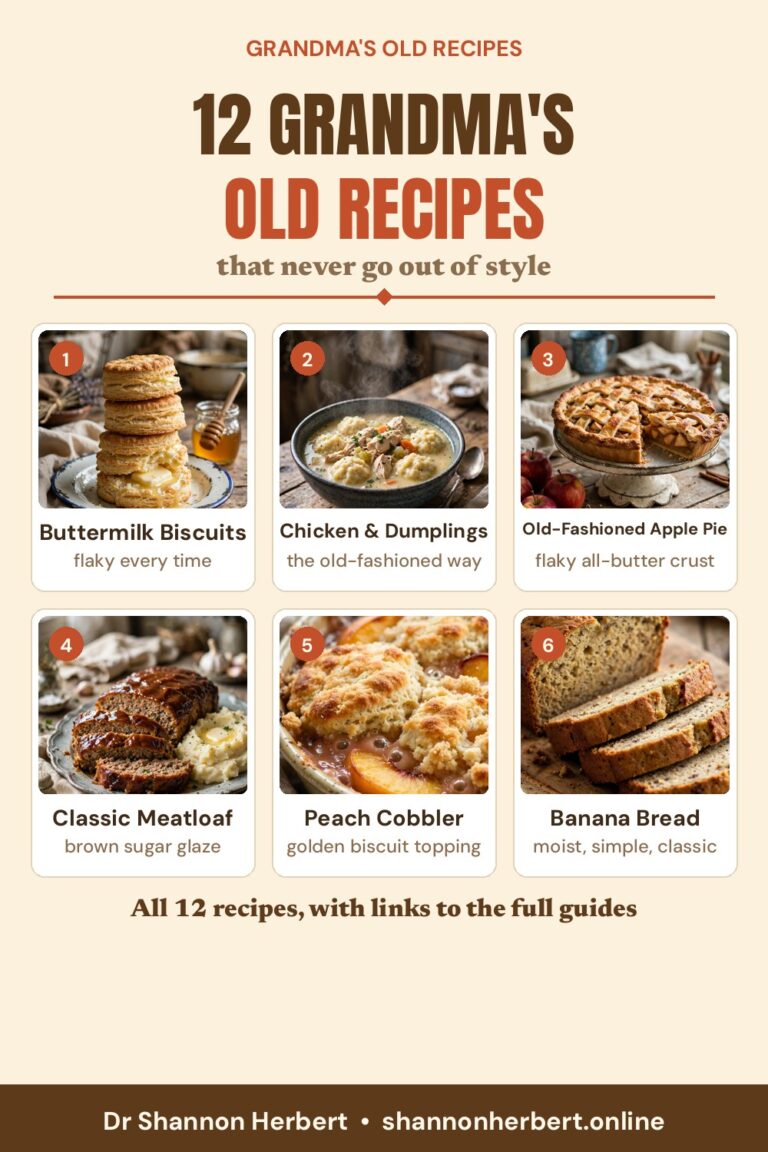
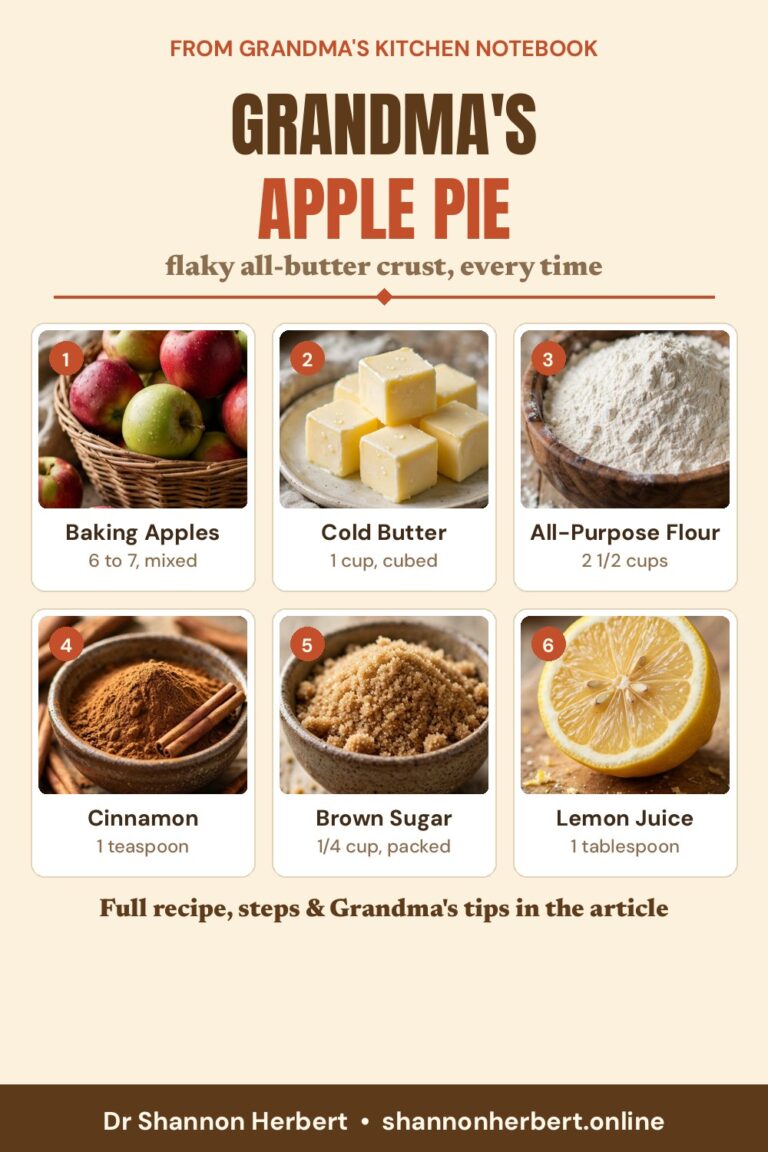
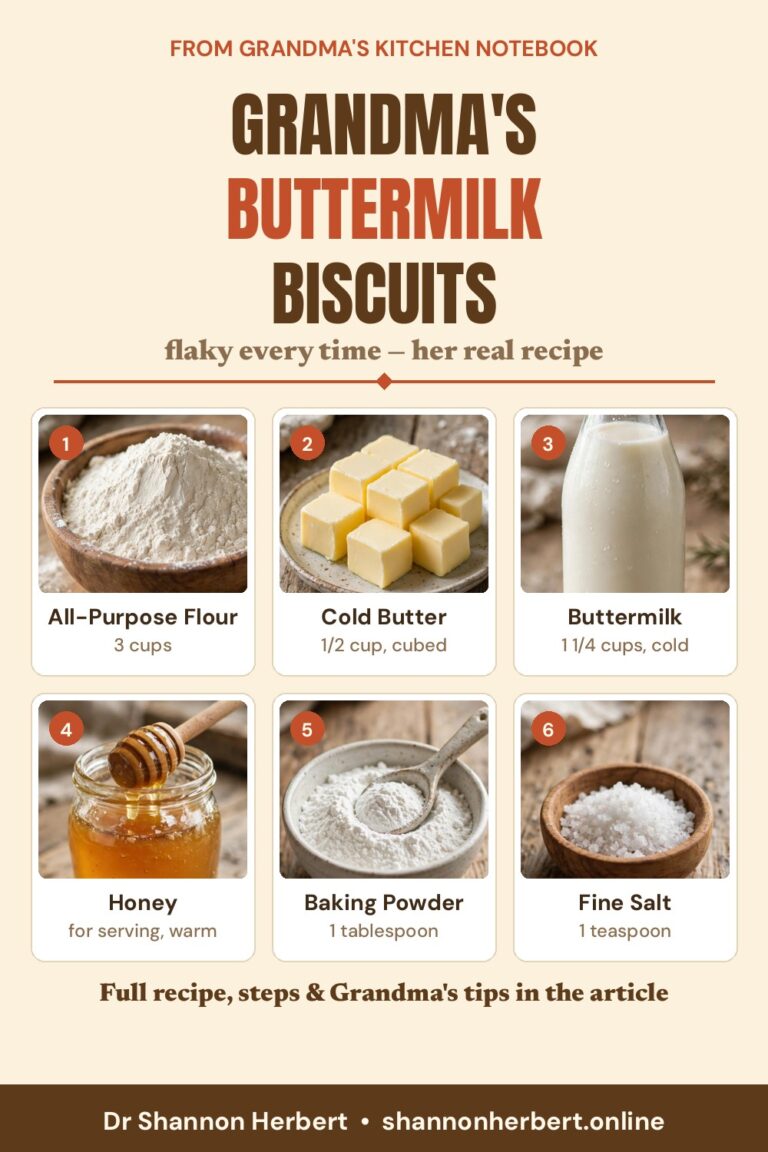
Grandma’s Classic Meatloaf with Brown Sugar Glaze
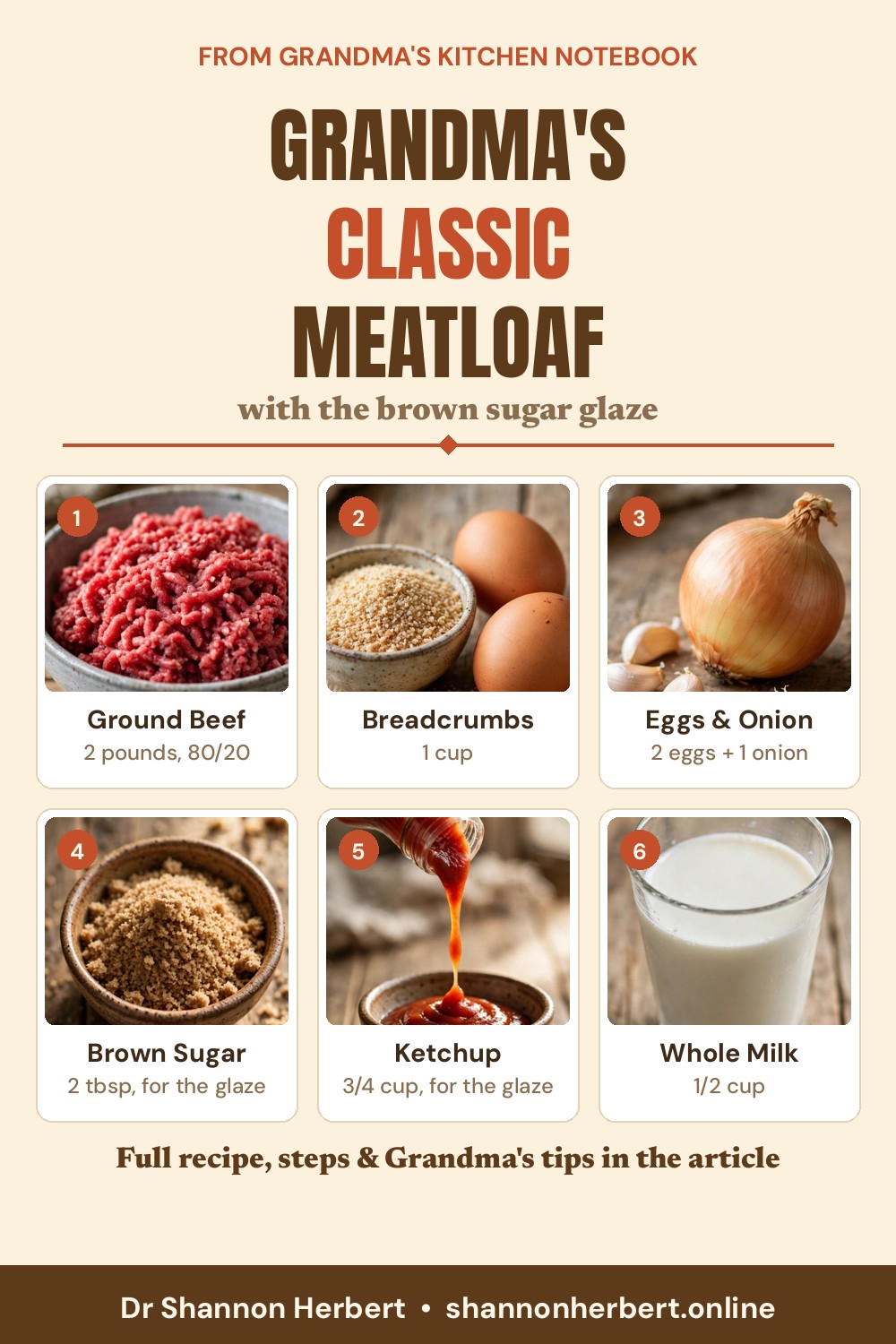
3. Add the flavorings. To the panade, add the diced onion, garlic, eggs, ketchup, Worcestershire sauce, salt, pepper, parsley, and paprika. Stir them together well. Seasoning the mixture before the meat goes in means you will not have to overmix later just to distribute the salt.
4. Add the meat and mix gently. Crumble the ground beef over the mixture in loose handfuls. Using clean hands, fold and turn the meat just until everything is evenly combined and no dry pockets of crumb remain — about a minute of gentle work. The mixture should look uniform but still loose. Stop as soon as it comes together; every extra squeeze makes the finished loaf tighter and drier.
5. Shape the loaf. Transfer the mixture to the loaf pan and press it in lightly, smoothing the top with damp hands and nudging it gently into the corners. Do not pack it down hard. If you are going free-form, shape the mixture on the foil-lined sheet into a loaf roughly 9 inches long and 5 inches wide, with slightly rounded edges. A free-form loaf gets more glazed surface and crisper edges; a pan loaf stays a little softer and slices more neatly. Both are correct, and Grandma used whichever pan was clean.
6. Mix the glaze. In a small bowl, whisk together the ketchup, brown sugar, mustard, and vinegar until the sugar has mostly dissolved. Spread about half of the glaze evenly over the top of the loaf. The mustard and vinegar keep the glaze from being simply sweet; it should taste tangy first and sweet second.
7. Bake the first stage. Place the loaf in the oven and bake for 40 minutes. During this time the loaf will firm up, release some juices, and the first layer of glaze will bake into a deep, savory coating.
8. Glaze again and finish. Take the loaf out briefly, spread the remaining glaze over the top, and return it to the oven for 15 to 20 minutes more. The loaf is done when a meat thermometer pushed into the very center reads 160°F. This is the food-safety line for ground beef, and it is not a suggestion — but it is also not a starting point for extra baking. At 160°F the loaf is safe and still juicy; at 175°F it is safe and dry. Check the temperature, not the clock.
9. Rest before slicing. Let the meatloaf rest in its pan for a full 10 minutes. Resting lets the juices settle back through the loaf instead of running out onto the cutting board, and it firms the slices so they hold together. Tip the pan slightly and spoon off any pooled fat before you lift the loaf out.
10. Slice and serve. Slice the loaf into thick pieces — 3/4 inch is about right — with a long, sharp knife, using gentle sawing strokes rather than pressing down. Serve with the pan juices spooned over, alongside mashed potatoes, buttered peas, or whatever green vegetable your family will actually eat.
Grandma’s Tips
Wet your hands before shaping the loaf. The mixture will not stick to damp hands, and you will get a smooth top without wrestling with it.
If your family includes an onion detective who picks out every visible piece, grate the onion on a box grater instead of dicing it. Grated onion disappears into the loaf completely while still giving you all of its sweetness and moisture. Grandma discovered this with my uncle at age seven and never diced again.
Saltine crackers were not an affectation; they were what a farmhouse pantry always had. They make a slightly lighter loaf than breadcrumbs, and rolled oats — the Depression-era stand-in — work too and add a pleasant heartiness. Use whichever you have, in the same amount.
Buy the thermometer. It costs less than one ruined dinner, it removes all doubt about the 160°F safety mark, and it will quietly improve every roast, chop, and loaf you make from now on.
Let the meat sit on the counter for about 15 minutes before mixing if you remember. Ice-cold meat numbs your hands and tempts you to mix longer just to get the job done; meat that has lost its refrigerator chill folds together quickly and kindly. Do not leave it out longer than that — ground meat should never sit at room temperature for more than 2 hours in total, including preparation time.
If the top of your loaf ever browns too slowly while the center comes up to temperature, run it under the broiler for a single minute at the very end, watching it the whole time. The glaze goes from glossy to caramelized in seconds, and from caramelized to scorched in only a few more, so this is a trick to use with your hand on the oven door.
And plan for leftovers on purpose. Make the loaf as written even for a small household. Tomorrow’s sandwich is half the reason this recipe exists.